Blog

How to Choose Optical Prescription Glasses?
Choosing optical prescription glasses is more than matching a frame to your face. The right pair should work with your prescription, fit comfortably, and suit the way you spend your day. A frame that looks perfect in a mirror may slide when you look down. A lens that feels light in the store may still need careful cleaning and handling.
Optometrist Dr. Gary Heiting has written patient guidance on selecting eyewear. A practical paraphrase of that guidance is: “Choose glasses for your prescription, fit, and daily needs—not appearance alone.” Your eye-care professional can explain how lens options relate to your prescription, while an optician can check frame fit and positioning. Ask about pupillary distance, lens thickness, coatings, and how the frames sit on your nose and ears. These details can affect comfort and clarity. Small details matter.
There is no single best pair for everyone. Someone who reads for hours may value a different fit from someone who spends the day outdoors or switching between screens and conversation. Bring your current prescription, describe your routine, and try frames while moving your head—not only while sitting still. Don’t rush. It is easy to focus on color and overlook pressure behind the ears. Even careful choices can feel different after a full day, so ask about adjustment and return policies before buying. This guide will help you compare practical options and choose optical prescription glasses with clearer expectations.
Read more »
 By:Ethan
- October 30, 2026
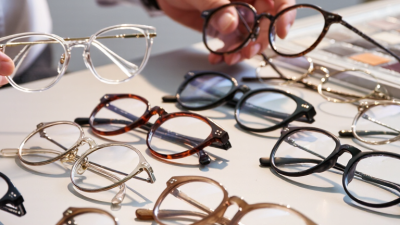
10 Tips for Buying Wholesale Eyewear Frames?
Buying wholesale eyewear frames can feel simple until the samples arrive. A frame may look elegant online, yet feel heavy, stiff, or poorly balanced in your hands. Small details matter. Hinge movement, acetate polish, bridge comfort, lens shape, and finish quality can influence customer satisfaction and repeat sales.
Michele Aracri, CEO of De Rigo, has said, “A successful eyewear collection must combine design, quality, and accessibility.” That principle remains useful when choosing wholesale eyewear frames. Low prices alone do not create a profitable collection. Retailers must also consider durability, fit diversity, color selection, packaging, and dependable supplier communication.
This guide presents ten practical tips for evaluating wholesale eyewear frames with greater confidence. It explores how to compare materials, inspect samples, assess size ranges, and identify styles with realistic selling potential. It also considers minimum order quantities, lead times, private labeling, and quality-control procedures. These details can protect your budget and reduce avoidable inventory problems.
Still, no buying method is perfect. A popular color can suddenly slow down. A promising shape may suit fewer faces than expected. Personal taste can mislead even experienced buyers. That is why careful testing matters.
Touch the frames.
Check the hinges.
Ask difficult questions.
A reliable purchasing decision combines market knowledge with direct product experience. The following tips will help buyers build a more balanced, practical, and commercially responsible eyewear selection.
Read more »
 By:Amelia
- October 25, 2026
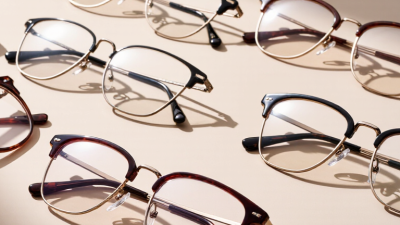
Why Choose Quiet Luxury Eyewear for Your Brand?
Why choose quiet luxury eyewear for your brand? The answer begins with changing customer expectations. Buyers increasingly want products that feel considered, durable, and easy to wear. Grand View Research estimated the global eyewear market at approximately $115.9 billion in 2023. It also projects strong growth through 2030. This creates room for brands with a clear, credible design language.
Quiet luxury eyewear turns restraint into a commercial advantage. Think polished titanium temples, warm tortoiseshell acetate, discreet hinges, and lenses that reduce glare without visual clutter. The product communicates quality through touch and proportion. It does not depend on oversized logos or short-lived visual trends. Bain & Company and Altagamma’s Luxury Goods Worldwide Market Study 2024 described a more cautious luxury environment, with personal luxury demand broadly stable at constant exchange rates. In that climate, visible value matters.
But restraint is not automatically premium. A plain frame can look unfinished. That is the risk. Material selection, engineering, fit, packaging, and after-sales service must support the story. McKinsey and The Business of Fashion’s State of Fashion 2025 also emphasizes stronger consumer scrutiny around price and value. Brands should therefore document acetate origins, explain lens performance, and test frame durability before making refined claims.
The best quiet luxury eyewear feels calm in a crowded display. It earns attention slowly. Customers may notice the balanced bridge first, then the smooth temple movement. That experience can build trust, provided the brand remains honest about sourcing, craftsmanship, and limitations. A quieter product still needs a strong reason to exist.
Read more »
 By:Oliver
- October 14, 2026

How to Choose Designer Sunglasses for Global Buyers in 2026?
Choosing designer sunglasses in 2026 requires more than recognizing a famous logo. Global buyers now compare optical performance, material quality, cultural fit, and verified brand origin. A beautiful frame can still disappoint if it slips on a humid street or pinches behind the ears.
Robert Marc, a respected eyewear designer, once said, “Eyewear is the first thing people notice about you.” That insight remains practical. Sunglasses shape a buyer’s first impression, especially during business travel, social events, and outdoor photography. This guide examines frame proportions, lens protection, bridge design, and finishing details. It also considers how facial features and personal style influence a confident choice.
Look closely.
For bright coastal destinations, high-quality polarized lenses can reduce reflected glare from water and glass. UV protection should be clearly documented, not assumed from a dark tint. Buyers should check product descriptions, manufacturer information, and regional testing claims before purchasing. Standards and labeling can differ between markets.
Authenticity matters just as much. Inspect hinge movement, logo placement, engraving quality, packaging, and the seller’s return policy. Authorized retailers usually provide stronger traceability. However, even premium stores can offer limited fit guidance. I have found that a carefully measured frame often matters more than a seasonal color trend.
Sustainability also deserves honest attention. Recycled acetate sounds appealing, but buyers should ask about durability, repair options, and transparent material sourcing. No single feature guarantees a responsible purchase. The best designer sunglasses balance protection, comfort, identity, and long-term value across borders.
Read more »
By:Amelia
- October 14, 2026
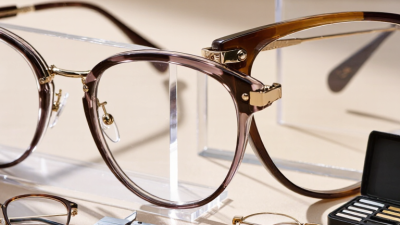
7 Tips for Sourcing Luxury Optical Frames
Sourcing luxury optical frames requires more than attractive photographs and polished supplier promises. Buyers must assess materials, craftsmanship, comfort, traceability, and long-term reliability. A frame may look exceptional online, yet feel unbalanced when worn. That gap matters. Real sourcing decisions begin with physical samples, detailed specifications, and honest conversations with manufacturers.
This guide presents seven practical tips for evaluating luxury optical frames with greater confidence. It considers premium acetate, lightweight titanium, hinge construction, lens compatibility, finishing quality, packaging, and quality control. It also examines supplier experience, production capacity, communication habits, and documentation. A reliable partner should explain material origins, manufacturing processes, testing procedures, and applicable safety requirements without avoiding difficult questions. Clear records support professional purchasing decisions and help protect brand reputation.
Perfection is not guaranteed. Even experienced buyers can overlook small scratches, inconsistent polishing, or slight differences between samples and bulk production. I have found that careful inspection often reveals more than impressive showroom displays. Ask for pre-production samples. Compare several pieces under direct light. Test the hinges repeatedly. Review tolerances before approving an order. Price alone can mislead, especially when low costs hide weak finishing or uncertain quality control. Strong sourcing combines commercial judgment with patient verification. These seven tips are designed to make that process more practical, transparent, and dependable.
Read more »
By:Ethan
- October 14, 2026