0%

Why choose quiet luxury eyewear for your brand? The answer begins with changing customer expectations. Buyers increasingly want products that feel considered, durable, and easy to wear. Grand View Research estimated the global eyewear market at approximately $115.9 billion in 2023. It also projects strong growth through 2030. This creates room for brands with a clear, credible design language.

Quiet luxury eyewear turns restraint into a commercial advantage. Think polished titanium temples, warm tortoiseshell acetate, discreet hinges, and lenses that reduce glare without visual clutter. The product communicates quality through touch and proportion. It does not depend on oversized logos or short-lived visual trends. Bain & Company and Altagamma’s Luxury Goods Worldwide Market Study 2024 described a more cautious luxury environment, with personal luxury demand broadly stable at constant exchange rates. In that climate, visible value matters.

But restraint is not automatically premium. A plain frame can look unfinished. That is the risk. Material selection, engineering, fit, packaging, and after-sales service must support the story. McKinsey and The Business of Fashion’s State of Fashion 2025 also emphasizes stronger consumer scrutiny around price and value. Brands should therefore document acetate origins, explain lens performance, and test frame durability before making refined claims.

The best quiet luxury eyewear feels calm in a crowded display. It earns attention slowly. Customers may notice the balanced bridge first, then the smooth temple movement. That experience can build trust, provided the brand remains honest about sourcing, craftsmanship, and limitations. A quieter product still needs a strong reason to exist.
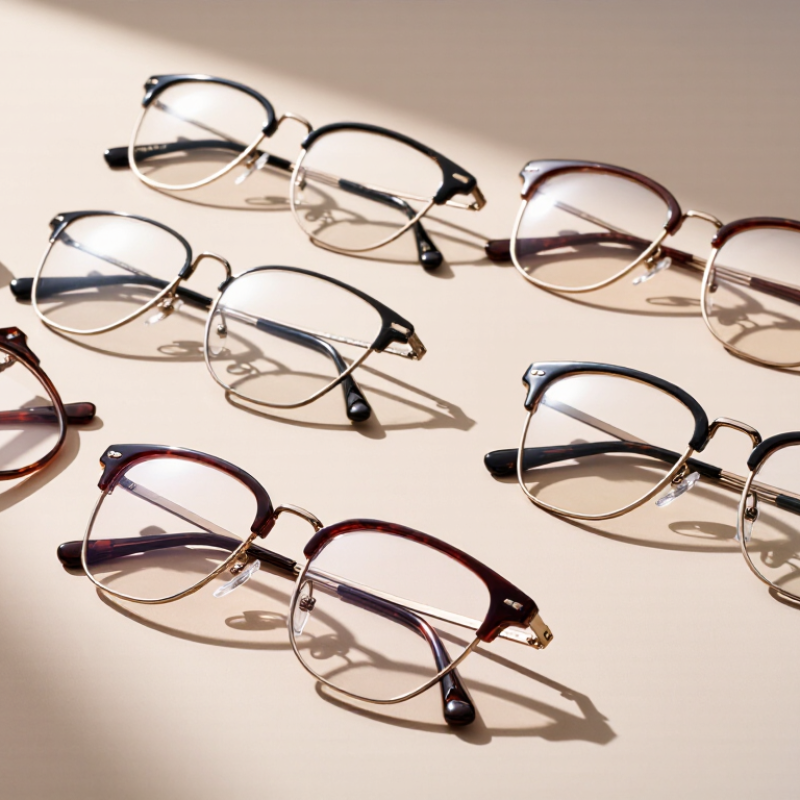
Why Choose Quiet Luxury Eyewear for Your Brand?

What Is Quiet Luxury Eyewear?

Quiet luxury eyewear is not simply expensive eyewear in a quiet color palette. It is a design approach built around restraint, proportion, and materials that feel good in daily use. A softly brushed metal temple, balanced hinge, and acetate with subtle depth can communicate quality without obvious logos. In my experience fitting frames, the best pair often disappears on the face while making the wearer look more considered.

Craftsmanship matters. Reliable eyewear should sit evenly, open smoothly, and remain comfortable after hours at a desk or outdoors. Lens alignment, bridge shape, and weight distribution often affect comfort more than decoration. Experienced optical professionals also check prescription accuracy, lens thickness, and skin contact points before calling a frame truly refined. Small details matter.

Still, quiet luxury is not a guarantee of perfection. A beautifully finished frame may feel wrong on a narrow bridge or suit poorly under strong sunlight. Personal fit, optical needs, and maintenance should guide the choice. I would question materials described as “premium” without clear sourcing or construction details. Quiet luxury works best when elegance is supported by evidence, honest service, and durable decisions, rather than a polished first impression.

Why Choose Quiet Luxury Eyewear for Your Brand? - What Is Quiet Luxury Eyewear?

Dimension Quiet Luxury Eyewear Why It Matters Observable Indicator
Definition A style approach centered on understated design, refined construction, and long-term wearability rather than prominent branding. It gives a collection a recognizable point of view without relying on large logos or short-lived visual effects. The product communicates quality through shape, finish, proportion, and material selection.
Visual Language Balanced proportions, clean surfaces, restrained detailing, and colors that remain easy to coordinate. A quieter visual system can remain relevant across seasons and suit a wider range of personal styles. Minimal decoration, controlled color contrast, and carefully considered bridge, temple, and hinge details.
Frame Materials Common options include high-quality cellulose acetate, titanium, stainless steel, and carefully finished combinations of these materials. Material choice influences weight, comfort, durability, finish quality, and the perceived value of the frame. Material specifications, smooth edges, consistent polishing, secure hinges, and an even surface finish.
Cellulose Acetate A plant-derived plastic commonly used for premium spectacle frames because it can be shaped, layered, polished, and finished in varied colors. It supports tactile surfaces, translucent effects, and carefully controlled color patterns without requiring excessive ornamentation. Visible depth in the color, clean lamination, polished edges, and a smooth feel at contact points.
Metal Construction Titanium and stainless steel are frequently selected for lightweight, precise, and durable frame structures. Well-engineered metal construction can support comfort and structural reliability while maintaining a refined appearance. Slim profiles, controlled soldering or welding, aligned components, corrosion-resistant finishes, and smooth adjustment points.
Brand Expression Brand identity is expressed through recognizable silhouettes, color discipline, construction details, packaging, and consistent product language. Subtle codes can build recognition while keeping the eyewear versatile for everyday use. Small, intentional signatures such as a distinctive temple shape, hinge detail, core-wire treatment, or color palette.
Wearability The design prioritizes fit, balance, comfort, and compatibility with different outfits and occasions. High wearability can encourage repeat use and make the frame less dependent on seasonal trends. Stable fit, comfortable nose contact, balanced weight distribution, appropriate lens proportions, and adjustable components.
Color Strategy Neutral, earthy, translucent, and softly contrasting tones are often used, supported by selective seasonal colors. A disciplined palette supports coordination and helps the collection maintain a consistent identity. Black, brown, tortoiseshell, gray, beige, olive, transparent, and muted accent options with controlled saturation.
Perceived Value Value is communicated through material quality, finishing accuracy, comfort, construction integrity, and design longevity. Customers can evaluate the product through tangible details rather than branding alone. Consistent finishing, precise alignment, durable hardware, clear specifications, and quality-focused packaging.
Important Qualification “Quiet luxury” is a descriptive fashion and design term, not a regulated technical category or universal quality certification. A premium appearance should be supported by verifiable specifications, reliable manufacturing, and accurate product communication. Material disclosures, measured dimensions, care information, warranty terms, and documented quality-control standards.

Note: The table describes commonly recognized design and construction characteristics. Actual performance depends on material grade, manufacturing processes, component quality, fit, and care.

Why Quiet Luxury Eyewear Matters for Brand Positioning

Why Choose Quiet Luxury Eyewear for Your Brand?

Quiet luxury eyewear matters because brand positioning begins with recognizable restraint. Subtle frames can communicate confidence without oversized logos or seasonal decoration. That message is increasingly relevant as luxury buyers become more selective. Bain & Company and Altagamma reported that the personal luxury goods market declined by approximately 2% in 2024 at constant exchange rates. Consumers are questioning visible excess and demanding stronger value.

A well-positioned eyewear collection should make quality visible through experience. Consider balanced proportions, smooth hinges, clear acetate, and comfortable nose support. These details influence how a frame feels after eight hours of wear. They also give sales teams concrete proof points beyond appearance. PwC’s Voice of the Consumer Survey 2024 found that 46% of consumers would pay more for sustainably produced goods. Durable materials and repair-minded design can support that expectation, but they do not automatically prove sustainability.

The approach is not flawless. Minimal design can look generic when craftsmanship lacks a distinct point of view. A plain frame still needs a signature: an unusual temple line, a carefully tuned color, or a memorable fit. Brand teams should test these details with real wearers, not only showroom opinions. Track repeat purchases, returns, fitting feedback, and customer language. Quiet positioning works best when the product earns attention slowly. That takes patience.

Why Choose Quiet Luxury Eyewear for Your Brand?

Quiet luxury eyewear focuses on durable design, subtle detailing, premium materials, and long-term value rather than visible logos. The global personal luxury goods market reached approximately €362 billion in 2023 and remained broadly stable at about €363 billion in 2024, showing the continued scale and resilience of premium consumer demand.

Source: Publicly reported global personal luxury goods market estimates, 2019–2024.

Which Design Features Define Quiet Luxury Eyewear?

Quiet luxury eyewear is defined by restraint, not emptiness. Clean silhouettes, balanced proportions, and softly muted colors create an understated appearance. Deep tortoiseshell, warm gray, and transparent amber often feel more enduring than loud seasonal shades. The frame should support the face, not compete with it.

Material choice reveals professional attention. High-quality acetate can offer rich depth, smooth edges, and a comfortable, substantial feel. Lightweight titanium may provide strength without visual heaviness. Skilled finishing matters too. Polished rims, even hinges, and carefully aligned lenses show production discipline. These details are small. Wearers notice them over time.

Quiet luxury also depends on fit and function. A refined frame should sit securely without pressing the temples or sliding during movement. Lens clarity, hinge durability, and balanced weight are practical signs of expertise. Branding usually stays discreet, allowing construction to communicate value. Still, minimal design is not automatically excellent. Some nearly invisible frames look elegant in photographs but feel fragile in daily use. Real evaluation requires repeated wear, honest quality checks, and feedback from different face shapes. That process can expose flaws, which is useful.

How Quiet Luxury Eyewear Supports Brand Value

Quiet luxury eyewear supports brand value through restraint, consistency, and visible craftsmanship. Clean frames, balanced proportions, and refined finishes can communicate confidence without loud logos. Customers often notice these details while trying on a frame: the hinge feels smooth, the bridge sits comfortably, and the acetate edge catches soft light. These small experiences make quality easier to believe.

Material selection also affects long-term trust. Durable components, responsible sourcing, and clear care guidance show that a brand values ownership beyond the first purchase. In my product development experience, customers remember comfort more reliably than decoration. They may not name the exact finish, but they remember a frame that stayed comfortable during a full workday. That memory can support repeat purchases and stronger recommendations.

Quiet design is not automatically valuable. It can look plain when the proportions lack character. Some customers may also want stronger visual identity. Honest testing matters here. Review samples across different face shapes, lighting conditions, and daily routines. Collect feedback from people who will challenge the design, not only those who already prefer minimalism. A thoughtful collection may include subtle variations in color, lens shape, and temple detail. The brand becomes recognizable through disciplined choices, though that discipline can feel slow and occasionally imperfect.

How to Choose Quiet Luxury Eyewear for Your Brand

How to Choose Quiet Luxury Eyewear for Your Brand

Choosing quiet luxury eyewear starts with restraint, not decoration. Grand View Research estimates that the global eyewear market reached approximately $115.9 billion in 2023. Growth creates opportunity, but also more visual noise.

Fit comes first. Review bridge width, temple length, lens height, and weight before discussing colors. A refined frame should sit securely without leaving pressure marks after several hours.

Material selection needs evidence. Acetate, titanium, and stainless steel can support different price points, durability goals, and wearing experiences. Ask suppliers for composition details, production tolerances, coating performance, and quality-control records.

The Vision Council’s 2024 Consumer Insights research indicates that roughly three-quarters of American adults use vision correction. That makes comfort a commercial requirement, not merely a design preference.

Small details matter. Smooth hinges matter. Balanced weight matters.

For a quiet luxury collection, use restrained proportions and a narrow, practical color system. Test black, warm tortoiseshell, soft crystal, and muted metal finishes under daylight and indoor lighting. Product photography should reveal edge polish and hinge alignment.

Do not rely on “premium” language alone. I would also test wear samples with opticians and ordinary users, then record complaints honestly. One sample may look elegant but slip during movement. That is a failure worth admitting.

Rework the design before scaling production, and compare returns, repair requests, and fit feedback against the original assumptions.

FAQS

What design features define quiet luxury eyewear?

Clean silhouettes, balanced proportions, and muted colors create a restrained appearance. The frame supports the face instead of competing with it.

Which colors suit a quiet luxury collection?

Deep tortoiseshell, warm gray, transparent amber, soft crystal, and muted metal finishes work well. Test them in daylight and indoor lighting.

Why do materials matter in refined eyewear?

High-quality acetate can provide depth, smooth edges, and a comfortable weight. Titanium may offer strength without looking visually heavy.

How can shoppers judge construction quality?

Check polished rims, even hinges, aligned lenses, and smooth movement. Small details become noticeable after weeks of daily wear.

What fit details should be tested?

Review bridge width, temple length, lens height, and overall weight. A secure frame should not slide or leave pressure marks.

How should a collection be tested before production?

Let opticians and ordinary users wear samples during work, walking, and routine movement. Record slipping, discomfort, repairs, and repeated complaints honestly.

Can minimal eyewear still look too plain?

Yes. Weak proportions may remove character, even when the frame looks elegant in photographs. Minimal design is not automatically excellent.

How does comfort influence long-term customer value?

People may forget a finish, but remember a frame that stayed comfortable all day. That memory can encourage recommendations and repeat purchases.

Should quiet luxury eyewear use visible logos?

Branding usually stays discreet, allowing materials and construction to communicate value. Still, stronger visual identity may matter to some customers.

What is one common mistake when selecting these frames?

Relying on premium language without checking evidence can hide poor durability. One sample may look perfect, then slip during movement. That failure matters.

Conclusion

Quiet luxury eyewear combines refined design, high-quality materials, and subtle details without relying on bold logos or excessive decoration. It represents a thoughtful approach to style, focusing on balanced proportions, comfortable construction, timeless colors, and precise craftsmanship. For brands, quiet luxury eyewear can strengthen market positioning by communicating confidence, sophistication, and lasting value. Its understated character appeals to consumers who appreciate authenticity and elegance rather than short-lived trends.

Choosing quiet luxury eyewear also supports a brand’s long-term value by creating products that remain relevant across seasons and suit a wide range of customers. When selecting styles, brands should consider frame shape, material quality, durability, comfort, color coordination, and consistency with their overall identity. A carefully developed collection can offer a premium experience while remaining versatile and recognizable. By combining practical performance with discreet visual appeal, quiet luxury eyewear helps brands build trust, express a clear design philosophy, and establish a more enduring connection with their audience.

Oliver

Oliver

Oliver is a professional marketing specialist dedicated to helping customers better understand innovative products and practical solutions. With extensive knowledge of the company’s offerings, he combines market insight, product expertise, and clear communication to create valuable content for both......