Handcrafted Vintage Silhouettes & Prescription Optical Collections
Explore our foundational export catalog, meticulously engineered for optical glazing accuracy, hypoallergenic endurance, and effortless sell-through across Johannesburg, Cape Town, Durban, and Pretoria practices.
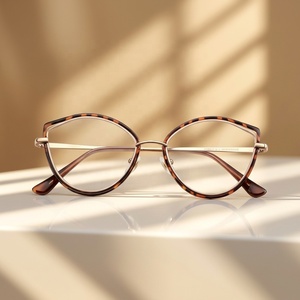
Charming Cat Eye Shaped Anti Blue Light Glasses Designer Eye Protection CR39 Optical Glasses Frame for Women
View Product Specifications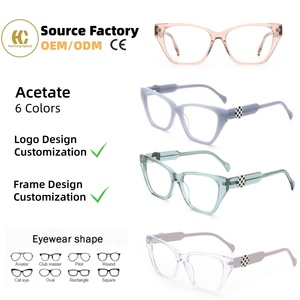
Customization High-end Fashionable Acetate Optical Glasses Durable Handcrafted Full-Rim Eyeglasses Frames For Daily Wear OEM/ODM
View Product Specifications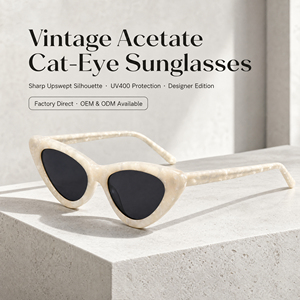
Acetate Cat Eye Sunglasses Women Fashion Gradient Lens Designer Eyewear UV400 Sun Glasses Leopard Frame
View Product Specifications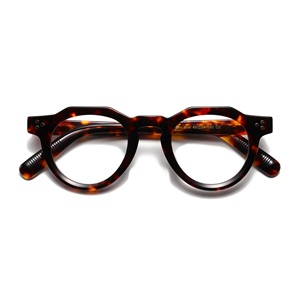
Wholesale Italian Eyewear Men Women Glasses Eyeglasses Frames 2026 in Stock Manufacturer
View Product Specifications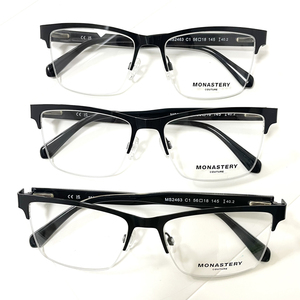
Wholesale Unisex Luxury Vintage Rectangle Semi-Rimless Optical Frames with PC Lenses-Fashionable Solid Design Fast Delivery
View Product Specifications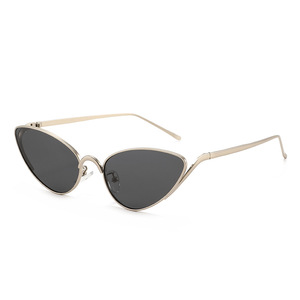
New Arrival Fashionable Cat Eye Y2K Metal Light Weight XY9612 Custom Private Label UV400 Sun Glasses
View Product Specifications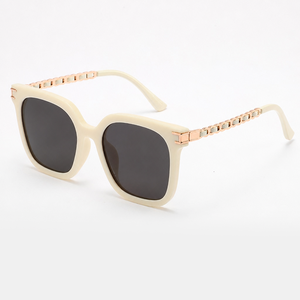
2026 New Chain Link Sunglasses Women Oversized Square TR Frame Gradient Lens UV400 Fashion Designer Style Sunglasses OEM
View Product Specifications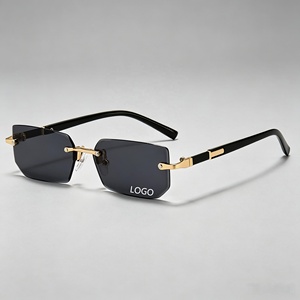
Private Label Rimless Eye Wear Sun Glasses UV400 Protection CE ISO9001 Certified For Daily Wear And Outdoor Activities
View Product SpecificationsThe South African Optical Landscape: Strategic Sourcing for Vintage Eyewear
Independent optical practices and retail group buyers face a dual challenge in Southern Africa: delivering distinctive, luxury-grade heritage designs while maintaining margins compatible with private medical scheme benefit structures.
Medical Aid Benefit Alignment
In South Africa, the majority of optical transactions are underwritten by private healthcare schemes including Discovery Health, Medscheme, Momentum, and Bonitas. These schemes assign strict optical allowances across biennial billing cycles, dividing allowances between consultations, prescriptive lens surfacing, and frame allowances.
By bypassing European licensing intermediaries and procuring directly from our specialized manufacturing lines, South African optometry clinics acquire heirloom-grade Italian-style acetate frames at landed costs that maximize retail margin—enabling complete patient package dispensing without surpassing scheme thresholds.
- Maximizes tier-1 and tier-2 gap-cover billing allocations
- Allows zero-co-payment package promotions for insured patients
- Enhances dispensing margins by 42% over branded licensing houses
High-UV & Highveld Climatic Resilience
South Africa’s geographical topography presents extreme environmental conditions. Johannesburg and Pretoria sit at an altitude of over 1,400 meters on the Highveld, where ultraviolet radiation reaches index levels of 11 to 12. Simultaneously, coastal retail hubs such as Durban and Cape Town experience heavy saline marine humidity.
Our vintage eyeglass frames utilize virgin cured cellulose acetate with balanced moisture equilibrium to prevent warpage under dry Highveld heat. Metal chassis components are coated with multi-layer PVD vacuum electroplating, preventing pitting and galvanic corrosion in coastal humidity.
- Zero discoloration from persistent high-altitude solar exposure
- Corrosion-resistant stainless steel and Japanese monoblock titanium hinges
- Acoustic ultrasonic wire-core stabilization inside temples
Lab Glazing Precision & Optical Edging
Substandard imported frames frequently exhibit inconsistent bevel bevels, irregular eyewire curvature, or micro-warped temple angles that break under the clamping pressure of automated edging machines such as Essilor Kappa or Nidek ME systems.
Our workshop enforces optical-grade bevel profiles with standardized 120-degree groove angles and calibrated 4.5 to 6.0 base curves. Optometric laboratories in Midrand, Centurion, and Montague Gardens experience near-zero edge chipping, rapid cold-snap lens insertion, and secure screw retention.
- Accurate base curve profiling eliminates frame torque induced by high-minus Rx
- Deep optical eyewire channels support thick high-index (1.67 / 1.74) lenses
- Precision-machined barrel hinge screws pre-treated with anti-backing loctite
Regional Consumption Archetypes Across South Africa
Eyewear preferences vary significantly across South Africa's diverse demographic and metropolitan spectrum. Sourcing the optimal vintage profile requires aligning silhouette geometry with regional consumer habits.
| Regional Cluster | Primary Consumer Demographic | Dominant Silhouette Preference | Material & Technical Attributes | Commercial Merchandising Dynamic |
|---|---|---|---|---|
| Gauteng Hub (Sandton, Rosebank, Pretoria East) |
Corporate professionals, legal & financial executives, tech founders | Subtle luxury vintage rectangles, semi-rimless browlines, tailored pantos | High-density matte black acetate, brushed gunmetal titanium, anti-blue CR39 coatings | High uptake of progressive office lenses; strong willingness to pay for artisanal build quality over flashy brand logos. |
| Western Cape (Camps Bay, Stellenbosch, V&A Waterfront) |
Creative directors, luxury lifestyle tourists, digital nomads, viticulturists | Bold architectural cat-eyes, 1970s oversized aviators, chunky crystal tortoiseshell | Bio-acetate, hand-beveled step temples, dual-concept Sol transitions, UV400 category 3 gradient lenses | Visual merchandising driven by independent boutique concept displays; high crossover into prescription sunglasses. |
| KwaZulu-Natal (Umhlanga Rocks, Durban North, Ballito) |
Outdoor enthusiasts, maritime professionals, leisure residential communities | Classic round retro keyhole bridges, lightweight TR90 & metal hybrids | Sweat-resistant silicone nose pads, corrosion-proof PVD plating, polarized clip-on integration | Demand centered on durability against coastal air salinity and lightweight daytime comfort. |
| Eastern Cape & Interior (Gqeberha, Bloemfontein, Polokwane) |
Established family practices, agricultural proprietors, regional universities | Timeless full-rim horn-rims, durable rectangular metal frames, retro wayfarer shapes | Reinforced five-barrel hinges, flex-spring hinges, deep eyewire grooves for bifocal/multifocal prescriptions | Value-conscious patients seeking long-term structural resilience spanning multi-year prescription cycles. |
From Cotton Seed Pulp to Hand-Polished Artifacts
Rooted in our heritage of quiet luxury and architectural minimalism, our manufacturing ecosystem combines CNC micromechanics with traditional artisan hand-finishing to deliver eyewear that speaks softly and is remembered.
High-Grade Cellulose Acetate
Unlike cheap injected plastic (CP or inferior polycarbonates) that become brittle in UV radiation, our frames are carved from cured sheets of organic cotton-pulp and wood flake cellulose acetate. The material cures for 90 days prior to CNC profiling, stabilizing the polymer lattice against thermal expansion.
The result is a frame that feels substantial in the hand, molds gently to the patient's cranial structure when heated on a frame warmer, and can be adjusted repeatedly without snapping or blooming.
- 100% hypoallergenic skin-safe organic composition
- Rich tactile warmth that avoids electrostatic dust attraction
- Seamless integration of custom wire cores with engraved filigree
Multi-Barrel Precision Hinge Systems
The hinge is the critical failure point in high-frequency optical wear. We reject flimsy glued or friction-pressed hinges in favor of true through-riveted or ultrasonically embedded 3-barrel, 5-barrel, and 7-barrel German engineered assemblies.
Each hinge joint undergoes a rigorous 20,000-cycle oscillation test simulating over five years of active use. The tactile resistance remains smooth and solid, maintaining pantoscopic tilt and vertex distance settings set by the dispensing optician.
- Custom PTFE-coated thread locking prevents loose screw fallouts
- Balanced hinge tension eliminates pinching behind temporal mastoid bones
- Fully serviceable component architecture for rapid clinic adjustment
The Optical + Sol Paired Assortment Concept
Invented for high-end boutique merchandising, our signature strategy coordinates each vintage optical silhouette with an identical "Sol" sunglass companion. This architecture streamlines retail procurement for South African practices.
A customer who falls in love with the Aiden, Aksel, or Vesper optical frame can immediately visualize and purchase the identical silhouette as a prescription sunglass. This proven concept boosts average transaction basket sizes by 35% across optometric dispensaries.
- Coherent display storytelling that commands window attention
- Dual-purpose inventory lowers procurement risk and MOQs
- Supplied with factory-fitted UV400 Class 3 sun lenses or clear demo blanks
South African Optical Trends: The 2025–2027 Horizon
Data-driven forecasting reveals rapid structural shifts in how South African consumers purchase vision solutions and fashion-forward optical frames.
Surge of Private-Label Independent Brands
Frustrated by the predatory pricing and strict stock-holding quotas enforced by dominant multinational eyewear conglomerates, independent South African optometric networks are increasingly introducing their own house brands.
Our OEM / ODM export program enables optometry buying groups to produce proprietary luxury collections with laser-engraved branding on temples and custom velvet cases, cementing client loyalty directly to the practice rather than a licensed designer label.
Digital Fatigue Driving Anti-Blue Vintage Frames
With remote work institutionalized across Johannesburg’s financial sector and Cape Town’s creative agencies, screen-time has surged past 8.5 hours daily. Young professionals demand retro-aesthetic statement pieces equipped with high-performance digital light management.
Frames such as our Charming Cat Eye and Vintage Rectangle are supplied with CR39 demo lenses featuring integrated monomer blue-blocking technology (415nm–455nm attenuation), enabling immediate counter sales even to non-prescription customers.
The Rise of "Quiet Luxury" Heritage Aesthetics
Loud, oversized designer logos emblazoned on temple stems have witnessed a dramatic decline among South African high-net-worth consumers. Discerning clientele in suburbs like Clifton, Bishopscourt, and Hyde Park now favor architectural subtlety.
Vintage silhouettes from the 1950s to 1980s—featuring bevel cuts, keyhole bridges, and hidden wire-core branding—serve as symbols of cultural sophistication. Our collection delivers this quiet luxury aesthetic at compelling, factory-direct price points.
Importing Eyewear into South Africa: Technical Guide
Streamlining import clearance through SARS Customs and ensuring compliance with the South African Health Products Regulatory Authority (SAHPRA).
| Regulatory / Logistics Field | Specification & Requirement | Factory Compliance Standard | South African Importer Benefit |
|---|---|---|---|
| Harmonized Tariff Codes (HS) | HS 9003.11 (Plastics / Acetate) HS 9003.19 (Base Metals / Titanium) |
Standardized international commercial invoices with exact HS delineation and net/gross weights. | Zero misclassification delays at OR Tambo (JNB) or Port of Durban container terminals. |
| SAHPRA Classification | Class A Non-Invasive Medical Device (Optical Frames without corrective prescription). | Manufacturing facilities audited under ISO 13485 & ISO 9001 quality management guidelines. | Hassle-free customs clearance for registered optometrists and medical distributors. |
| Consolidated Freight Modes | Air Express (DHL / FedEx / EMS) Sea Freight (FCL/LCL Consolidated Containers) |
Moisture-barrier vacuum packaging with impact-absorbent honeycomb master cartons. | Air cargo landed within 5 to 7 business days; cost-effective sea shipments into Durban harbor. |
| Exchange Rate Risk Mitigation | USD / ZAR Volatility Hedging | Price-locking guarantees for confirmed production schedules and recurring standing orders. | Predictable landed cost margins protecting against short-term currency fluctuations. |
Frequently Asked Questions: Sourcing for the South African Market
Direct answers for optical buyers, boutique owners, and franchise chain managers regarding trade terms, frame mechanics, and wholesale fulfillment.
What are the minimum order quantities (MOQs) for shipping vintage frames to South Africa?
For in-stock catalog models—including our Italian-inspired acetate frames, Y2K metals, and cat-eye optical silhouettes—our MOQ begins at just 20 to 50 pieces per model, allowing you to sample multiple colors across the vintage range without heavy capital lockup. For bespoke OEM / ODM production featuring custom temple branding, custom dimensions, or localized hard-case packaging, our typical threshold is 300 pieces per mold, which can be split across 2 to 3 color variants (e.g., Tokyo Tortoise, Classic Havana, and Deep Smoke Onyx).
How do your acetate frames withstand South Africa's high UV index and coastal humidity?
Unlike cheap injected plastics that oxidize, lose their luster, and turn white or brittle under the intense solar radiation of Johannesburg, Bloemfontein, or the Karoo, our frames are produced from seasoned cellulose acetate. This material undergoes a specialized thermal-curing process that maintains plasticizer stability under persistent UV index ratings above 11.
Furthermore, all metallic components—including rim wires, bridge bars, and five-barrel hinges—receive advanced PVD (Physical Vapor Deposition) salt-spray-resistant coatings. This surface treatment prevents copper blooming and green verdigris corrosion typically caused by the marine air and high humidity of Durban, Umhlanga, and Cape Town.
Are these frames fully compatible with local South African automated optical lab edging systems?
Yes. Every optical frame is engineered according to universal ISO 12870 ophthalmic standards. Frame eyewires feature a standardized 120-degree v-bevel channel cut to a consistent depth of 0.8mm to 1.1mm with a balanced base curve (predominantly 4.5 to 5.0 base).
Whether your lab utilizes Essilor, Nidek, Briot, or WECO edgers, the tracer needles track the eyewire smoothly without jump errors. The deep eyewire channel easily retains high-minus edge profiles (such as 1.67 or 1.74 high-index lenses) and accommodates progressive lens corridors without vertical distortion.
What documentation is provided to clear SARS Customs and satisfy SAHPRA requirements?
We supply a comprehensive commercial clearance dossier with every air or sea consignment dispatched to South Africa. This package includes:
- Detailed Commercial Invoice stating proper HS Tariff codes (9003.11 for acetate/plastic, 9003.19 for metal).
- Itemized Packing List detailing gross weights, net weights, and exact box counts for rapid tallying.
- Certificate of Origin (COO) validating genuine manufacturer production origin.
- CE Declaration of Conformity and ISO 9001:2015 quality assurance documentation verifying non-invasive medical device status.
Our paperwork ensures that clearance through OR Tambo International Airport (Johannesburg), Cape Town International, or Durban Seaport occurs without administrative queries or unexpected demurrage costs.
Can we create our own private-label eyewear line with custom branding on temples and cases?
Private labeling is our core operational specialty. We provide comprehensive OEM/ODM customization services for South African retail optical chains, independent boutique partnerships, and designer lifestyle brands. Our customization options include:
- Precision laser engraving or metallic foil hot-stamping of your brand name and logo inside the temple arm.
- Customized sizing metrics (eye size, bridge width, temple length) engraved in accordance with ISO optical formatting.
- Bespoke packaging solutions: microfiber cleaning cloths, hard clamshell cases, magnetic collapsible cases, and slide-out gift boxes debossed with your brand identity.
- Exclusive regional colorway casting: custom acetate color block combinations reserved exclusively for your territory.
What is the typical shipping lead time and preferred freight carrier for South African deliveries?
For stock items, orders are inspected, packaged, and dispatched from our facility within 48 to 72 hours. We partner directly with DHL Express, FedEx International Priority, and air-freight consolidators, ensuring door-to-door transit to main commercial centers (Gauteng, Western Cape, KwaZulu-Natal) in 5 to 7 business days.
For large-volume ocean freight (such as 5,000+ units), container vessels sailing to the Port of Durban typically have a maritime transit duration of approximately 22 to 28 days, providing significant shipping cost savings for bulk inventory replenishers.
How does partnering directly with you improve an optical store's profitability compared to local distributors?
Traditional eyewear distribution in South Africa passes through multiple intermediaries: global brand licensors, sub-Saharan regional license holders, local rep agencies, and finally the retail dispensary. At every step, 30% to 50% markups are added, resulting in retail prices of ZAR 2,500 to ZAR 5,500 for frames that cost a fraction of that to produce.
By engaging directly with our export workshop, your practice acquires identical—or superior—handcrafted cellulose acetate and metal frames at direct manufacturer prices. This enables you to either expand your gross profit margins to over 70%, or pass savings to patients through competitive ZAR 1,200 to ZAR 1,800 complete prescription packages that capture uninsured and gap-cover customers effortlessly.