High-Velocity Wholesale TR90 Optical Frames for Chilean Retail Assortments
Curated for Chilean cranial morphology, optical lab beveling compatibility, and high mechanical endurance across coastal and high-altitude mining environments. Available for immediate private label customization and container-load fulfillment.
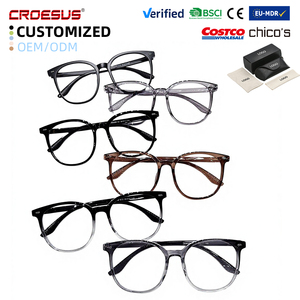
Retro TR90 Frame Anti Blue Light Glasses Computer Eyeglasses Unisex Optical Frame 6 Colors
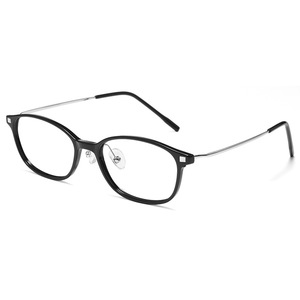
Ultra-Light TR90 Glasses Frame 5080xh Small Classic Diamond Face Shape 7g High Prescription
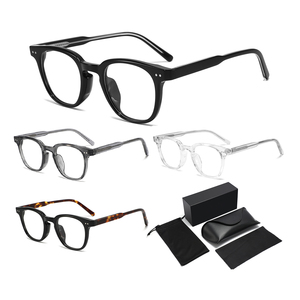
CONCHEN Customization High End TR90 Frames for Eye Glasses Men Women Designer Optical Frame
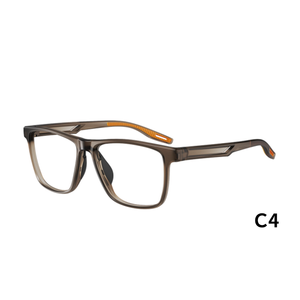
Wholesale Custom TR90 Full Rim Square Fishing Optical Glasses Frames Anti-Blue Lenses Coating
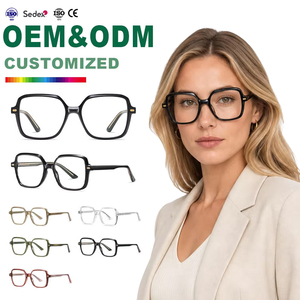
High Quality TR90 Material Eyeglass Frame Classic Retro Square Color Blocking Rivet Decoration
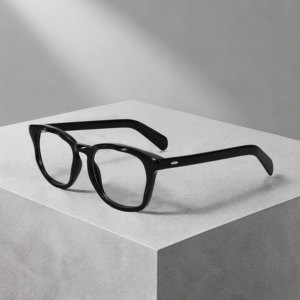
Latest New Design High Quality Black Acetate Optical Frame Solid Hinge Design Adults Unisex

Acetate Unisex Colorful Pattern Square Eyeglass Frame Custom Spectacle Frame Wholesale Bulk
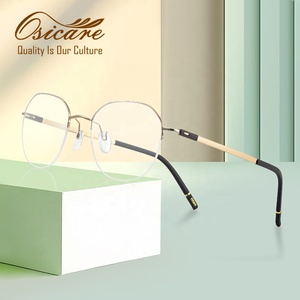
Osicare High Quality Titanium Half Rim Eyeglasses Ultralight IP Electroplating Optical Urban
Engineering TR90 Polymer Mechanics for Chile's Geography
Chile presents one of the world's most demanding physical environments for prescription eyewear. From the hyper-arid, high-UV radiation zones of the Atacama Desert in Antofagasta and Calama to the sub-Antarctic cold dampness of Punta Arenas and the high particulate density of the Santiago basin, traditional cellulose acetate and low-grade polycarbonates succumb rapidly to environmental fatigue.
Extreme UV Index Degradation Resistance
Northern and Central Chile routinely measure UV indices exceeding 11 to 14+. Standard plastics yellow, undergo molecular cross-link embrittlement, and crack within 6 months. Our TR90 formulations use Swiss-origin EMS Grilamid nylon compounded with sterically hindered amine light stabilizers (HALS), guaranteeing complete photo-oxidative resistance and colorfastness under high Andean solar irradiance.
Wide Thermal Range Dimensional Stability
Personnel operating in Chilean copper and lithium mining belts (such as Codelco, Escondida, and SQM sites) transition between scorching desert daytime temperatures (+35°C) and sub-zero nighttime Andean chill (-10°C). Our TR90 memory nylon maintains an ultra-low coefficient of thermal expansion, preventing rim looseness, cold-induced bridge snaps, or involuntary lens pop-outs in sudden thermal swings.
Biocompatible Hypoallergenic Safety
Certified under ISO 10993 cytotoxicity and dermal irritation benchmarks, our TR90 optical frames release zero bisphenols, nickel, or monomer residues. In humid coastal metropolises such as Viña del Mar, Concepción, and Puerto Montt, saline sweat does not react with temple arms, eliminating contact dermatitis and skin discoloration for patients wearing frames over 14 hours daily.
| Property Parameter | Standard Optical Acetate | Polycarbonate (PC) Injection | Swiss EMS Grilamid TR90 (Our Standard) | Chilean Market Benefit |
|---|---|---|---|---|
| Specific Density | 1.28 - 1.32 g/cm³ | 1.20 - 1.22 g/cm³ | 1.00 - 1.03 g/cm³ | Up to 35% lighter; reduces nasal bridge pressure during long work shifts. |
| Flexural Elastic Memory | Rigid; breaks under sharp bending | Moderate; stress white-marks | > 620 MPa (Full shape recovery) | Withstands helmet pressure, accidental crushing, and aggressive sporting. |
| High-Altitude UV Aging (QUV) | Yellows after 300 hrs UV exposure | Crazes & micro-cracks at 250 hrs | No degradation at >1,200 hrs | Prevents high returns in Calama, Antofagasta, and Santiago retail outlets. |
| Rx Lab Lens Insertion | Requires frame warmer (65°C - 75°C) | Cold snap risk of rim shear | Cold snap or low heat (40°C - 50°C) | Speeds up edging line throughput in Chilean centralized glazing facilities. |
Chilean Optical Distribution Trends: Market Dynamics 2025–2030
Chile represents the highest purchasing power parity (PPP) per capita for optical healthcare in South America. Analyzing retail, regulatory, and demographic shifts empowers optical chains and wholesalers to structure catalogs that capture elevated gross margins.
FONASA & ISAPRE Reimbursement Catalysts
Over 78% of the Chilean population is enrolled in the Fondo Nacional de Salud (FONASA), while the remaining sector utilizes private ISAPRE coverage. Both frameworks have increased optometric coverage allowances, granting insured workers optical stipends typically ranging between 30,000 to 75,000 CLP. TR90 frames hit the exact sweet spot for commercial retail opticians, providing consumers with high durability and premium aesthetics while leaving substantial reimbursement margin for premium anti-reflective and photochromic progressive lenses.
Screen-Time Surge & Blue Block Glazing
Santiago's financial hubs (Las Condes, Providencia, Santiago Centro) display digital device usage exceeding 9.2 hours per working adult daily. Retail opticians report that over 65% of optical frames sold in metropolitan clinics are glazed with selective blue-light attenuation filters (415–455nm). Our TR90 frames feature optimized bridge geometries and ultra-low weight balance that prevent nose-pad fatigue during marathon desk work, driving strong secondary frame sales for remote and office workers.
Decentralization of Opticas Independientes
While conglomerate chains (Rotter & Krauss, GMO/EssilorLuxottica, Opticas Schilling) dominate major shopping malls, independent optical practices across regional hubs (La Serena, Rancagua, Talca, Temuco, Puerto Montt) are capturing local loyalty through differentiated collections. Independent opticians seek factory-direct partnerships that eliminate intermediaries, allowing them to brand custom cases, cleaning cloths, and temple engravings to build regional equity.
Engineering Advantages: Why Global Brands Partner With Us
Drawing on two decades of specialized ophthalmic frame manufacturing, our clean-room injection facilities integrate Japanese tooling, Swiss polymer chemistry, and automated robotic finishing to deliver defect rates below 0.12%.
Micro-Tolerance Mold Tooling
We utilize S136 hardened stainless steel injection molds calibrated to ±0.015mm tolerances. This ensures that lens bevel grooves maintain uniform depth (0.55mm to 0.65mm) and 115° standard V-bevel geometry, eliminating lens rotation or gap defects during automated finishing in Essilor or Nidek lab edgers.
High-Cycle Hinge Engineering
Hinges represent the highest single point of frame failure in retail warranty claims. Our TR90 assemblies feature integrated ultrasonic-embedded nickel-silver hinges, dual-barrel pin locks, and self-lubricating nylon washers tested to exceed 25,000 continuous open-close cycles without screw loosening or lateral play.
Multi-Layer Vacuum PVD Coating
Rather than basic spray-painting that peels after contact with cosmetic creams and sebum, our colored and gradient TR90 frames undergo automated plasma cleaning followed by polyurethane spray coating and high-temperature vacuum baking. The outcome is sweat-resistant, alcohol-rub proof, and abrasion-hardened finish quality.
Turnkey Private Label Customization
Empower your brand in the Chilean domestic market. We provide ultra-fine laser pad printing, hot-foil inner temple branding, Pantone color matching (including regional favorites like demi-amber, translucent smoke grey, and deep navy), customized clamshell cases, microfiber cloths, and barcodes ready for local ERP scan systems.
Chile Optical Importers FAQ: Compliance, Tariffs & Logistics
Direct answers for Chilean optical executives, procurement managers, and commercial agents regarding regulatory authorizations, customs clearance, and logistical timelines.
How does the Chile-China Free Trade Agreement (TLC) apply to TR90 frame imports?
Under the deepened China-Chile Free Trade Agreement (Tratado de Libre Comercio), optical frames classified under HS Code 9003.11 (plastic frames) qualify for complete preferential exemption from the standard 6% ad-valorem import tariff. Our export compliance department issues the official Certificate of Origin Form F stamped by China Customs. As a Chilean importer, you pay 0% import duty, remitting solely the standard 19% IVA (Impuesto al Valor Agregado), which is fully deductible as fiscal credit in your SII (Servicio de Impuestos Internos) monthly Formulario 29 filings.
Are optical frames subject to ISP (Instituto de Salud Pública) medical device registration?
In Chile, non-corrective empty optical frames (marcos o monturas para lentes ópticos sin graduación) are generally treated as optical support hardware rather than Class II invasive medical devices requiring prior CDA (Certificado de Destinación Aduanera) sanitary registration, unlike finished contact lenses or surgical equipment. However, regional SEREMI de Salud and Aduanas require clear labeling, toxicological conformity (CE / ISO 12870 standard proof), and clean commercial invoices. We provide all declaration datasheets to ensure rapid clearance through Agentes de Aduana in Valparaíso and Santiago Airport.
What are the standard shipping transit times and port routings to Chile?
For container-load and LCL sea freight shipments, cargo departs primarily from Ningbo or Shanghai ports, sailing direct trans-Pacific routes to the Port of San Antonio (EPSA) or Valparaíso (TPS) with typical maritime transit times of 28 to 35 calendar days. For sample evaluation or emergency stock replenishment, direct air express shipments via DHL, FedEx, or air cargo into Santiago Arturo Merino Benítez Airport (SCL) arrive within 5 to 7 business days.
What is the minimum order quantity (MOQ) for custom private branding?
For factory-stock models ready for fast dispatch, our baseline MOQ starts at only 12 pieces per color SKU, allowing opticians to trial assortment breadth. For complete OEM custom private label branding (laser engraving your Chilean brand on inner temples, custom packaging boxes, lens wipe embossing, and custom color blocking), the MOQ is 300 pieces per model, with up to 3 to 4 color allocations (75-100 pieces per shade).
How do our TR90 frames behave during glazing in Chilean optical laboratories?
Our frames are engineered specifically for high lab processing yield. Glazing technicians can mount CR-39, 1.56 middle index, 1.61 MR-8, 1.67 high-index, and polycarbonate prescription lenses via cold snap insertion or gentle rim warming at 40°C–50°C. The internal rim groove bevel profile is pre-tested to prevent edge pinching, lens stress birefringence under polarized inspection, or frame distortion across high minus (up to -8.00D) and high cylinder prescriptions.
What B2B payment terms and financial instruments are supported?
We work with international banking standards tailored for Latin American commercial operations. Payment terms include Telegraphic Transfer (T/T: 30% advance deposit upon production confirmation, 70% balance against Bill of Lading scan copy), or Irrevocable Letters of Credit (L/C at sight) through recognized international banks (such as Banco Santander Chile, Banco de Chile, or BCI) for high-volume container purchase orders.
Expand Your Chilean Optical Catalog with Factory-Direct TR90 Excellence
Connect directly with our international export division. Request the 2025/2026 comprehensive line sheet, physical material sample packs, and customized factory pricing with full TLC Form F tariff compliance.
Send an Inquiry