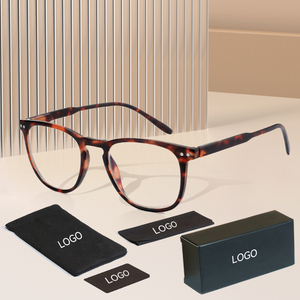
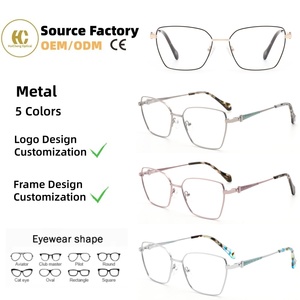
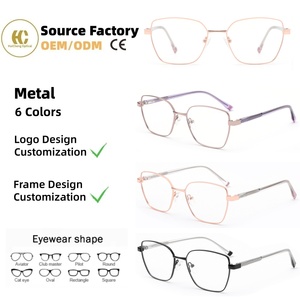
A Comprehensive Engineering, Material Durability, and Direct Sourcing Analysis for Optical Wholesalers, Eye Clinics, and Independent Practices in Accra, Kumasi, and Takoradi.
Engineered specifically for clinical durability, precision Rx glazing, and regional climatic resistance. Below are eight high-velocity export models designed for West African retail optical distribution.
A clinical and supply chain assessment of optical frame deployment in West Africa's evolving optical market.
The Ghanaian ophthalmic and commercial eyewear market has moved far beyond commoditized imports. For opticians operating along Oxford Street in Osu (Accra), high-volume practices around Kumasi Adum, and industrial healthcare hubs in Takoradi and Tema, product returns caused by frame structural failure present substantial financial drains. Importing frames directly from Chinese manufacturing centers requires deep consideration of Ghana’s distinct equatorial challenges.
From the Port of Tema through Accra to Sekondi-Takoradi, ambient coastal relative humidity frequently exceeds 85%, coupled with high atmospheric salt aerosol concentrations from the Gulf of Guinea. Substandard electroplating or low-grade nickel alloy frames rapidly suffer from galvanic corrosion, pitting, and green verdigris formation. Our manufacturing protocols utilize multi-layer vacuum ion-plating (IP) and electro-deposited transparent passivating lacquers, guaranteeing over 48 hours of uninterrupted neutral salt-spray (NSS) chamber testing without microscopic surface bubbling or tonal shifts.
During the northeast trade wind season (the Harmattan), which spans from late November through March, microscopic desert dust particles blanket regions like the Ashanti, Northern, and Upper East territories. Fine silica particulates act as abrasive grinding agents inside standard optical screw hinges. Furthermore, the extreme drop in relative humidity induces embrittlement in inferior, plasticized cellulose acetate. Our injection-grade Swiss EMS TR90 and cured aged acetate frames maintain tensile flexural integrity down to 15% humidity levels, utilizing enclosed barrel structures to prevent particulate seizure.
"For Ghanaian opticians, true cost per frame is determined at the optical edger and after six months of client wear. Bridge snapping from thermal softening and temple peeling from sebaceous perspiration account for 78% of local dispensary complaints regarding substandard Chinese imports."
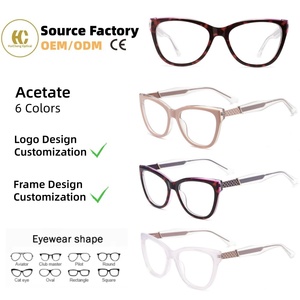
The rapid expansion of Accra’s financial, telecommunications, and tech sectors has sparked surging demand for computer glasses. Our PC and TR90 optical frames integrate deep lens rim grooves (1.8mm to 2.2mm), allowing seamless edging of high-index blue-light blocking lenses and polycarbonate digital progressive lenses without rim splaying.
Ophthalmological NGOs and regional screening teams operating under National Health Insurance Scheme (NHIS) mandates require high-volume, shatter-resistant frames for presbyopia and uncorrected refractive error correction. Our reinforced TR90 and memory silicone kids' frames deliver unmatched survivability against rough transport across rural infrastructure.
High-net-worth consumers and style-conscious executives in Airport Residential Area and Cantonments seek eyewear that communicates prestige through proportion and finish rather than loud branding. Our handcrafted acetate frames leverage Italian organic pigments, deep bevel profiling, and multi-barrel German engineered hinges to rival European luxury houses.
Key consumer behavior patterns, retail margin pressures, and regulatory shifts redefining West African optical supply chains.
Ghana's retail optical ecosystem is undergoing a structured transition from informal market purchasing to professional eye care chains and curated boutique practices. Analyzing these shifts is essential for distributors managing wholesale procurement pipelines:
Standard European "narrow saddle" bridge frames often slip down or pinch nasal tissues among West African wearers. Market leaders are ordering frames with modified splay angles (35° to 45°), reduced bridge widths (16-18mm), and adjustable titanium silicone pad arms that eliminate temporal pressure points.
Facing aggressive online discounting and squeezed retail margins, top dispensing opticians in Accra are bypassing European middle-tier brand licensing. By partnering directly with Chinese OEM/ODM factories, clinics develop their own registered house brands, elevating gross margins from 45% to over 280%.
The Food and Drugs Authority (FDA) Ghana is increasingly scrutinizing imported optical goods under Medical Device Classification (Class I). Uncertified frames with toxic surface paints or volatile monomer outgassing face customs confiscation at the Port of Tema. ISO 9001 and CE compliance have become mandatory commercial safeguards.
Driven by intense equatorial sun exposure paired with extended smartphone and laptop usage, dual-purpose frames (fitted with plano photochromic blue-cut lenses) have become top retail bestsellers. Optical frames must feature robust chassis stability to retain base-curve alignment when subjected to glazing stress.
A direct empirical comparison of optical frame substrates under tropical conditions.
| Material Classification | Tensile Yield Strength | High-Humidity Saline Resistance | Thermal Stability (Harmattan Heat) | Hypoallergenic Index | Optician Edging Suitability |
|---|---|---|---|---|---|
| Cured Cellulose Acetate (Cotton Derived) | 72 - 85 MPa | Exceptional (Zero oxidation, deep luster retention) | Stable up to 60°C (Requires controlled heating for temple curving) | 100% Biocompatible (Phthalate-free) | Optimum cold-snap or mild-heat lens insertion |
| Swiss Grilamid TR-90 Polymer | 90 - 115 MPa | Immune to salt fog, aqueous sweat, and body sebum | Exceptional memory elasticity (-30°C to 80°C) | Medical Class VI compliant | Requires precise sizing (Minimal bevel stretching allowed) |
| Aerospace Grade Pure Titanium | 450 - 580 MPa | Total inertness to coastal marine conditions | Impervious to environmental thermal fluctuations | Absolute zero skin reactivity (Nickel-free) | Ideal for high-prescription semi-rimless grooving |
| Monel / Stainless Steel Core Wire | 380 - 460 MPa | Dependent on PVD layer (Minimum 3-micron barrier required) | Excellent rigidity across all ambient ranges | Requires protective earpiece acetate sleeves | Exceptional adjustment holding for pantoscopic tilt |
Precision engineering, uncompromising quality control, and strategic supply chain alignment.
Operating as an end-to-end industrial manufacturer rather than an intermediary trading outfit, we eliminate supply friction, stabilize wholesale landing costs, and enforce clinical precision across every batch destined for the Ghanaian market.
Our cellulose acetate frames are sculpted utilizing computerized multi-axis CNC routers calibrated to ±0.02mm tolerances. This eliminates asymmetric eye-wire grooves, ensuring that your dispensing lab technicians can cut lenses on Essilor, Nidek, or Briot edgers without bevel mismatches, axis slips, or lens popping.
Instead of cheap flash-lacquering that peels under sweat exposure, our frames undergo a rigorous 72-hour, 4-stage polishing process using walnut granules, pumice paste, and hand-finishing buffing wheels. The result is a smooth, luminous surface finish that will not fog, cloud, or discolor across years of daily use.
We take the guesswork out of China-to-Ghana import operations. Our freight logistics department coordinates directly with established clearing consolidation partners in Guangzhou and Yiwu, managing sea freight (LCL/FCL to Tema Port) and expedited air courier services directly to Accra (KIA) with pre-verified packing manifests.
Definitive answers covering import duties, custom branding, minimum order quantities, and clinical glazing parameters.
Partner directly with an established Chinese optical manufacturer trusted by independent optometrists, optical hospital groups, and retail distributors throughout West Africa. Elevate product quality, optimize landing margins, and eliminate middlemen markups.
Get Catalog