Retro Optical
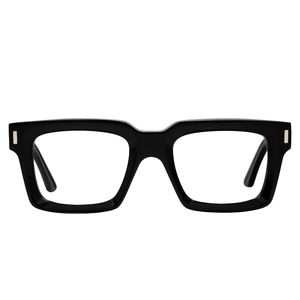
Kazakhstan sits at the commercial crossroads of Central Asia, anchoring over 60% of the Eurasian Economic Union's (EAEU) regional luxury optical imports. The market across tier-one hubs such as Almaty, Astana, and Shymkent has evolved decisively past mass-market white-label acetate. Discerning consumers and boutique multi-brand chains require an amalgamation of quiet luxury aesthetics, high-durability metallurgy resilient to severe continental thermal variations, and tailored anatomical fits that accommodate both broad facial profiles and low-bridge nasal anatomies.
This white paper synthesizes structural supply data, cold-climate engineering criteria, and certified export compliance models for domestic optical retailers, private clinical networks, and luxury fashion distributors seeking world-class original design manufacturer (ODM) and bespoke original equipment manufacturer (OEM) partnerships.
Hand-finished custom spectacles and sunglasses calibrated for harsh climate resilience, premium optical clarity, and immediate Rx laboratory glazing.
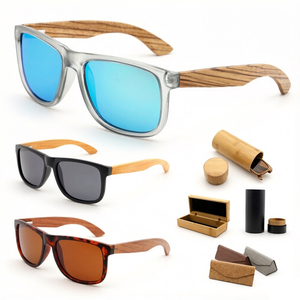
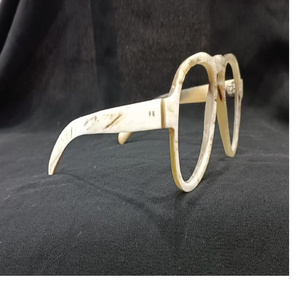
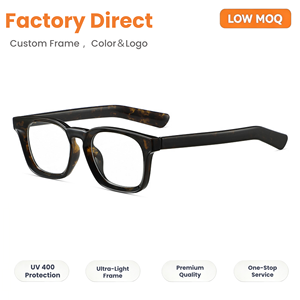
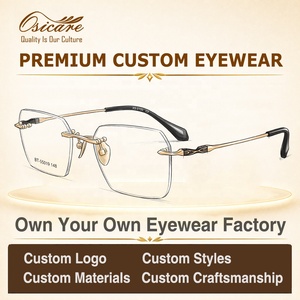
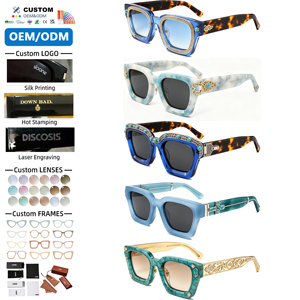
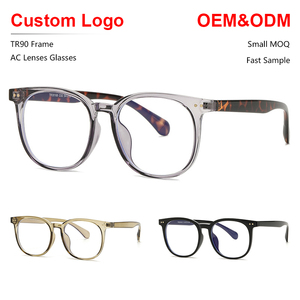

Precision eyewear engineering matched to distinct regional microclimates, urban demographic patterns, and clinical requirements across Kazakhstan.
Astana represents the second-coldest national capital globally, with winter ambient temperatures frequently descending beneath -40°C accompanied by high wind-chill factors. Standard zinc-alloy metals and low-grade extruded cellulose acetate crystallize, turn brittle, and suffer rapid catastrophic hinge shearing under these severe thermal transitions. Our bespoke frames engineered for North Kazakhstan implement Japanese beta-titanium wire cores and Swiss EMS TR90 memory polymers. These materials preserve structural elasticity and hinge torque resistance regardless of extreme indoor-outdoor ambient heat gradients.
Almaty is nestled against the dramatic Trans-Ili Alatau mountains, creating an optical use environment marked by extreme solar UV indices reflected from snow caps during winter and scorching, dry steppes in summer. Optical boutiques across Dostyk Plaza and Esentai Mall require polarized Cat.3 and photochromic Cat.4 lenses paired with multi-layer interior anti-reflective (AR) back coatings. High-density organic acetate and genuine buffalo horn provide sweat-resistant dermal interfaces that do not cause contact dermatitis or surface degradation during humid southern summer days.
A frequent error made by generic Western suppliers entering Kazakhstan is distributing European standard-fit bridges with narrow pantoscopic tilt angles and restrictive dBL (distance between lenses). The Kazakh demographic frequently features broad cheekbones, flatter frontal facial planes, and shallower nasal bridges. Our bespoke geometric tooling provides ergonomic saddle bridges, extended titanium pad arms with organic medical silicone pads, and optimized pantoscopic rake (6° to 8°) to eliminate cheekbone frame ride and eyelash friction.
Key socio-economic factors accelerating private-label adoption and premium frame sourcing across the Republic.
While historic Kazakh luxury purchasing centered heavily on visible European designer monograms, the affluent demographic across Almaty and Astana now consciously turns toward "quiet luxury." Clients actively seek understated elegance: hand-carved natural buffalo horn, refined titanium chassis with concealed inner-rim bevels, and micro-inlaid gemstones that whisper status rather than broadcast it. Retailers who offer exclusive bespoke private labels capture substantially higher gross margins (65%-78%) compared to regulated mass designer conglomerates.
Kazakhstan's digital transformation—driven by pervasive mobile commerce ecosystems and modern corporate hubs—has brought a measurable uptick in clinical myopia and astigmatism diagnoses among younger white-collar workers. Consequently, there is soaring demand for lightweight prescription frames capable of seamlessly concealing high-index (-4.00D to -8.00D) lenses. Our manufacturing maintains rim depths of 4.2mm to 4.8mm, disguising thick edge margins without adding weight.
Kazakhstan customs authorities rigorously enforce compliance under the Eurasian Economic Union framework. Optical imports are subjected to CU-TR (Customs Union Technical Regulations) validation, covering nickel release safety (EN ISO 12870), mechanical robustness, and medical registration documentation. Suppliers lacking end-to-end laboratory test reports face severe border clearance delays at Almaty and Khorgos customs inspection depots.
Inherited from our founding commitment to quiet luxury and engineering perfection, our bespoke manufacturing facility stands as a premier supply chain partner.
We craft matching prescription and sun versions across our core silhouettes. This allows Kazakh boutique opticians to curate a synchronized merchandising display that satisfies dual patient needs from a single design language.
Every titanium, bio-acetate, and horn frame is manufactured using anti-allergenic coatings compliant with international EN ISO standards and EAC technical declarations, ensuring rapid zero-friction customs processing.
Engineered with precise CNC-cut V-bevel grooves and calculated base curves (Base 4 to Base 6), our frames eliminate cold-snap lens pop-outs and ease rapid glazing in Essilor, Nidek, and Briot edgers.
From low minimum bespoke runs for exclusive optical ateliers to automated large-batch production for nation-wide chains, we provide custom pad printing, diamond laser engraving, and custom leather case fabrication.
Essential technical, logistic, and regulatory answers for retail optical directors and import executives.
We provide comprehensive multimodal transport frameworks tailored to the importer's timeline and margin profile. Express air freight shipments via DHL, FedEx, or Air Astana cargo operate regularly into Almaty International Airport (ALA) and Nursultan Nazarbayev International Airport (NQZ), completing transit in 4 to 7 business days. For bulk seasonal inventory replenishments, we leverage direct consolidated rail-freight networks operating through the Khorgos Dry Port / Dostyk transit corridors directly into bonded inland clearing terminals in Almaty, substantially lowering shipping costs per unit.
Every shipment is backed by a full export documentation dossier. This encompasses standard commercial invoices and packing lists with exact EAEU HS codes (9003.11 for plastic frames, 9003.19 for metal/titanium, 9004.10 for sunglasses), Certificates of Origin (Form A / General), and independent laboratory compliance certificates verifying zero-nickel release (EN 1811 / EN 12472) and UV400 absorption performance (ISO 12312-1). We coordinate directly with your appointed customs broker in Kazakhstan to ensure pre-clearance validation.
Yes. Low-grade acetates fabricated with generic industrial plasticizers lose flexibility and crack when exposed to sub-zero temperatures below -15°C followed by sudden indoor dry heating (+22°C). Our frames utilize cured cellulose acetate cured for 90 days or certified Swiss-engineered EMS TR90 polyamides. In our titanium product lines, five-barrel hinges and custom German OBE stop-screws are coated with specialized low-temperature lubricants that resist freezing and thread loosening during sudden thermal shifts.
For frames curated from our active catalog collections (including Aiden, Aksel, Vesper, Torin, and Valen), wholesale accounts can order starting at 50 to 100 units across mixed colorways. For fully bespoke OEM/ODM projects involving custom tool design, unique bridge geometries calibrated to Central Asian anthropometry, custom acetate color laminations, or personalized inside-temple branding, our baseline MOQs begin at 300 pieces per model (spread across 2–3 skus). We also provide end-to-end bespoke packaging, including debossed velvet cases, microfiber cloths, and outer hard boxes.
Every optical frame is engineered with adequate vertical B-measurements (minimum 36mm to 42mm) to ensure generous progressive fitting heights (corridor lengths) without truncation of the near-vision reading zone. Rim eyewires are machined with standard 110-degree optical V-groove profiles, maintaining constant structural perimeter rigidity to prevent high-plus or high-cylinder toric lenses from warping the frame shape or flattening the intended pantoscopic angle during cold-insertion glazing.
Partner with an established manufacturer experienced in Eurasian logistics, clinical-grade precision engineering, and luxury private-label creation. Request technical line sheets and wholesale pricing today.
Get a Quote