Titanium Optical
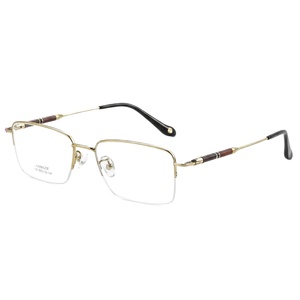
5030 Titanium Alloy Super Light Semi Rimless Optical Glasses
Material: Beta-Titanium
Fit: Rx-Progressive
View Technical Specs
Engineered for high-heat resilience, UV400 atmospheric glare isolation, and balanced weight distributions tailored to refined professional and lifestyle wardrobes across Saudi Arabia.
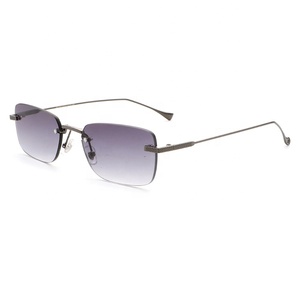
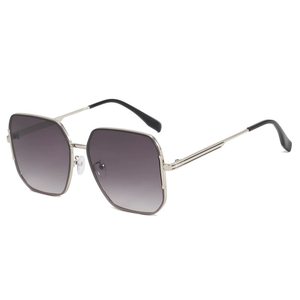
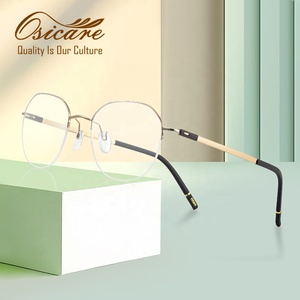

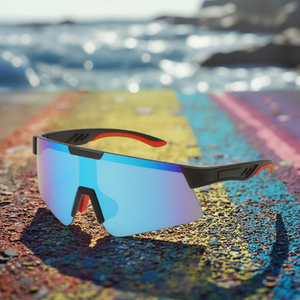
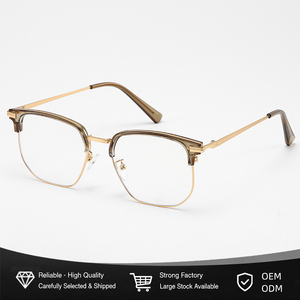
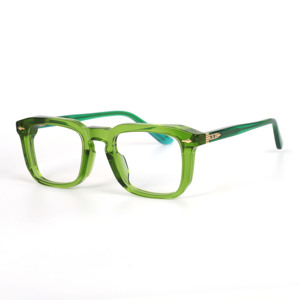
The eyewear landscape across the Kingdom of Saudi Arabia (KSA) has shifted from price-sensitive bulk sourcing toward design-conscious, clinically verified luxury frames. Driven by Saudi Vision 2030, rapid lifestyle modernizations, and escalating consumer purchasing power across tier-one metropolises like Riyadh, Jeddah, and Dammam, retail buyers now demand frames that fuse minimalist sophistication with extreme climatic endurance. For an OEM/ODM manufacturing partner, serving this market requires far more than generic frame reproduction; it mandates surgical optical engineering capable of withstanding the GCC’s harsh environmental physics.
Key Strategic Takeaway for Saudi Optical Importers: Frames imported into KSA must tackle an unrelenting intersection of high ambient heat (reaching 50°C in summer), intense fine desert sand particulates, high skin sebum levels, and extreme UV index ratings. Standard lower-grade plastics warp, delaminate, and lose bridge alignment, leading to high retail return rates and brand erosion.
Our OEM/ODM manufacturing infrastructure is specifically recalibrated for Middle Eastern export channels. By utilizing multi-axis CNC routing for high-density cellulose acetate (minimum 3-month aging to eliminate volatile plasticizers) and medical-grade Beta-Titanium alloys, we eliminate the structural creeping and color fading typical of mass-market eyewear. Through proprietary IP (Ion Plating) vacuum electroplating and multi-layer hydrophobic quartz lens sputtering, our designer collections deliver uninterrupted surface integrity, ensuring your brand establishes enduring authority in boutique display cabinets and luxury optical chain stores.
Precision-matched optical and sunglass architectures designed around the distinct functional and cultural realities of modern Saudi consumers.
Driving along the Riyadh-Dammam expressway or navigating urban sun glare reflecting off glass high-rises requires Category 3 TAC or nylon polarized lenses. Our frames incorporate back-surface anti-reflective (AR) coatings to block horizontal bounce-back glare, reducing ocular fatigue during bright daytime travel.
Optics: Category 3 TAC PolarizedIn business boardrooms across King Abdullah Financial District (KAFD), eyewear serves as an understated statement of personal presence. Our ultra-lightweight titanium and rimless minimalist architectures complement traditional Saudi attire (Thobe and Shemagh), resting weightlessly on the nasal bridge without leaving unsightly pressure marks.
Material: 100% Beta-TitaniumAs developments along the Red Sea Coast, Jeddah Corniche, and NEOM expand, consumers demand frames resilient against maritime moisture and high saline exposure. Our marine-grade stainless hardware, PVD anti-salt coatings, and sealed German OBE hinges stop hinge seizing and green oxidation before it begins.
Durability: Salt-Spray Tested 96hThe youth demographic in Saudi Arabia constitutes over 60% of the population, driving explosive demand for bold geometric shapes, thick retro-acetate beveling, warm lens tints, and subtle crystal pavé embellishments seen in premium fashion retail centers like Centria Mall and Red Sea Mall.
Aesthetics: Mazzucchelli-Style CutKey economic and regulatory shifts impacting B2B optical distribution, private label creation, and consumer selection criteria through 2030.
The Saudi Standards, Metrology and Quality Organization (SASO) has streamlined import controls through the automated SABER system. Optical products require distinct Product Conformity Certificates (PCoC) and Shipment Conformity Certificates (SCoC). Buyers now bypass trading middlemen to work directly with certified OEM factories equipped with ISO 12870 and ISO 12312-1 laboratory test reports, avoiding catastrophic shipment impoundments.
Loud, over-branded monogram eyewear is rapidly receding in Saudi luxury enclaves. Discriminating buyers prioritize subtle craftsmanship: chamfered hand-polished edges, inner temple laser markings, balanced custom wire cores, and organic earth tones (warm amber, desert tortoise, and translucent olive) that communicate innate elegance without billboard logos.
With high smartphone usage and extensive screen time in air-conditioned environments followed by sudden exposure to blaring outdoor sunlight, Saudi professionals favor versatile frames. Browline and square acetate hybrids equipped with HEV420 blue-cut technology, combined with photochromic or magnetic clip-on sun attachments, are experiencing double-digit commercial growth.
Direct manufacturer execution combining European design sensibilities, Japanese tooling precision, and end-to-end B2B supply chain integrity.
Full CAD/CAM engineering with 3D prototype turnaround in 72 hours. From custom core wires to bespoke temple stampings, we transform your design concepts into production-ready collections.
Every batch undergoes thermal stress testing, 50,000-cycle bridge fatigue trials, drop-ball impact compliance, and nickel-release assays to exceed international CE, FDA, and SASO regulations.
Dedicated documentation desk providing certified SASO test certificates, commercial invoices attested for Saudi customs, accurate HS tariff coding, and air/sea expedited shipping to Riyadh or Jeddah.
Low starting order minimums for emerging private labels, paired with massive volume scaling capacity for regional distributor networks. Coordinated cases, lens cloths, and branded retail packaging.
Direct operational answers addressing compliance, thermal longevity, shipping schedules, and private-label manufacturing parameters.
Importing sunglasses into Saudi Arabia requires registering the product on the SABER platform to obtain a Product Conformity Certificate (PCoC), followed by a Shipment Conformity Certificate (SCoC) for each consignment. Our factory coordinates directly with SASO-approved notified bodies, furnishing certified laboratory test reports (including ISO 12312-1 UV transmission, optical power, and flammability reports) to guarantee unhindered customs clearance.
Standard eyewear frames warp and expand when left inside car interiors where temperatures exceed 60°C. We solve this by utilizing multi-layered, thoroughly seasoned cellulose acetate with low residual solvent indices, alongside high-modulus Beta-Titanium and pure titanium metals. Furthermore, all acetate temples undergo prolonged baking cycles to balance internal stress prior to precision CNC milling.
Yes. Every optical model in our portfolio is engineered with precise V-grooves and calibrated rim depths designed to accept high-index, single-vision, and progressive prescription lenses without distorting the frame silhouette. We provide detailed lens cut templates, bridge dimensions, and temple lengths to ensure effortless edging in your optical laboratories across the Kingdom.
For custom logo laser engraving or hot-stamping on existing factory tooling, our MOQ begins at 300 to 500 units per model, distributed across multiple colorways. For fully custom bespoke molds, original frame geometries, or specialized metal hardware, the typical production run begins at 1,200 units. We provide rapid physical resin 3D prototypes to confirm fit and aesthetics before mold tooling.
For the intense solar conditions of the Arabian Peninsula, we primarily recommend Category 3 lenses (transmitting only 8% to 18% of visible light) equipped with UV400 blocking and polarization filters. In addition, we apply a backside anti-reflective (AR) coating and an oleophobic/hydrophobic outer layer to prevent sand scratch abrasion, water spots, and skin oil build-up.
Standard production cycles range between 45 and 60 days following sample sign-off and deposit receipt. For logistics, air freight to King Khalid International Airport (RUH) in Riyadh or King Abdulaziz International Airport (JED) in Jeddah averages 5 to 7 business days. Containerized maritime shipments dispatched to Jeddah Islamic Port or Dammam Port typically arrive within 22 to 28 days.