Precision Eyewear Engineered for German Optical Rigor
Discover our core export series: refined rimless architectures, medical-grade Japanese titanium, and precision-cured bio-acetate frames developed specifically to integrate seamlessly with automated robotic edging systems and high-diopter German optical lenses.
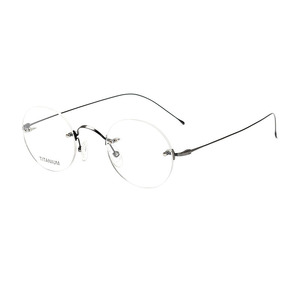
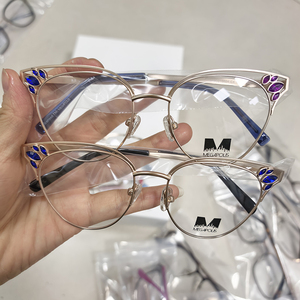
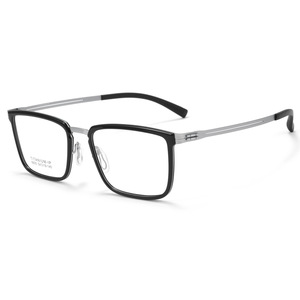
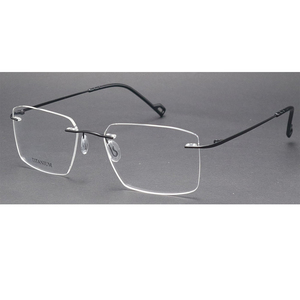
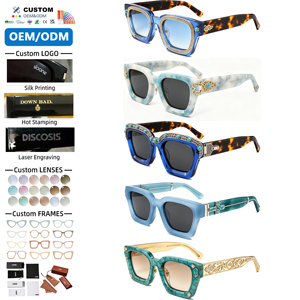
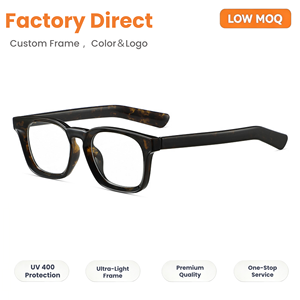
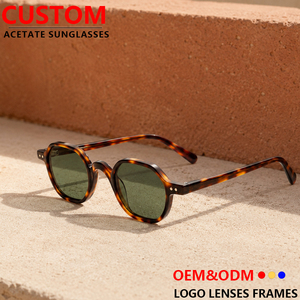
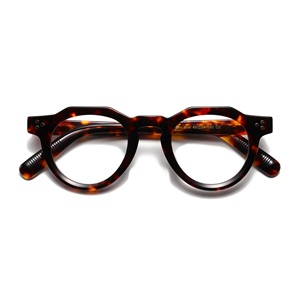
Navigating the German Eyewear Landscape: The Demands of Der Deutsche Markt
The German spectacle market is universally regarded by optical engineers as one of the most discerning, technically regulated, and value-conscious territories in the global retail space. Dominated by highly qualified Master Opticians (Augenoptikermeister), boutique independent chains, and health-conscious consumers, Germany does not purchase eyewear based on superficial branding alone. Instead, purchasing decisions are anchored in mechanical endurance, certified biocompatibility, precise groove geometry for progressive lenses (Gleitsichtgläser), and an absolute commitment to sustainable material sourcing.
Optical frames entering the German optical retail chain must comply strictly with DIN EN ISO 12870 (Ophthalmic optics – Spectacle frames – General requirements and test methods). Under this standard, endurance resistance requires a minimum of 500 mechanical opening-and-closing cycles without structural loosening, sweat-resisting galvanic electroplating, and strict compliance with nickel-release thresholds (less than 0.5 μg/cm²/week under EN 16128).
As German optical retailers face escalating labor costs for lab glazing and frame customization, their focus has shifted sharply toward turnkey manufacturing reliability. An optical frame that requires frequent adjustments, fails under ultrasonic cleaning, or experiences acetate shrinkage after lens mounting is rejected immediately. As an experienced exporter and dedicated production facility, our manufacturing infrastructure bridges this exact technical gap, delivering export-ready luxury frames that align with both the aesthetic nuances of Munich and Berlin fashion boutiques and the surgical precision demanded by German optical laboratories.
Localized Application Scenarios Across German Optical Channels
Our OEM/ODM frame architectures are customized to solve specific commercial and clinical hurdles encountered across diverse German dispensing environments.
Progressive Lens Mounting in Master Optician Practices
Progressive glazing requires millimeter-accurate pantoscopic tilt (Vorneigung), precise wrap angles, and adequate B-measurement dimensions (minimum 32 mm). Our Aiden and Torin series feature reinforced bridge solderings and cold-bendable beta-titanium temples, allowing German dispensing opticians to adjust vertex distance without inducing mechanical stress on the lens bevel.
Executive & Corporate Environments in Frankfurt & Munich
In business epicenters, German corporate clientele demand "Quiet Luxury"—unbranded, ultra-lightweight rimless and half-rim silhouettes that express refined elegance. Utilizing 0.5 mm high-tensile Japanese titanium wires and invisible thread-locking hinge systems, our minimalist lines ensure featherlight all-day comfort for prolonged monitor work and high-level client consultations.
Urban Sustainable Boutiques in Berlin, Hamburg & Cologne
Metropolitan consumers in cities like Berlin and Hamburg prioritize sustainable circularity. Our bio-based acetate collections replace toxic diethyl phthalate plasticizers with certified plant-derived organic plasticizers. These frames offer deep, warm tactile finishes, zero skin cytotoxicity, and full bio-degradability certifications that align with German eco-label expectations.
Key Architectural & Procurement Trends Shaping Germany (2025–2030)
Strategic data-driven shifts observed across German optical procurement boards and trade fairs like opti Munich.
Rise of "Quiet Luxury" & De-Branding
Aggressive monograms have waned across Germany. Consumers favor architectural integrity, precision micro-milled hinges, custom barrel tolerances, and tactile hand-beveled chamfers over prominent exterior branding.
Bio-Circularity & REACH Rigor
Procurement departments require full chemical audit trails. Cellulose propionate and petroleum plastics are rapidly being replaced by eco-acetate that satisfies stringent German Federal Environment Agency (UBA) guidelines.
Direct Lab-to-Frame Compatibility
Automated CNC edging systems like MEI and Weco require uniform eye-wire bevel angles (V-bevels of exactly 110° to 115°). Our factory-calibrated bevel profiles reduce laboratory breakage and optical bench re-work to under 0.1%.
Supply Chain De-Risking & Agile Batches
German optical buying groups (Einkaufsgemeinschaften) are reducing exposure to warehouse-heavy commitments. Flexible OEM/ODM factories capable of delivering localized private-label runs in low MOQs are taking market share.
Why Tier-1 European Distributors Rely on Our Production Infrastructure
Combining German engineering tolerances with industrial-scale manufacturing agility, our facilities deliver audited excellence at every stage of the manufacturing process.
Medical-Grade Titanium Sourcing
We source Grade 2 pure titanium and Grade 5 beta-titanium from audited Japanese metallurgy specialists. Our vacuum brazing furnaces prevent oxidation, ensuring pristine molecular bonding at temple joints and zero embrittlement under flex testing.
Artisanal Hand-Tumbling & 5-Axis CNC
Every hand-finished acetate frame undergoes a multi-stage barrel tumbling cycle for 72 consecutive hours utilizing beechwood chips and pumice paste. This achieves a liquid-like mirror polish that remains resistant to sweat sebum and whitening over years of wear.
Comprehensive EU Regulatory Dossiers
We eliminate import friction for our German B2B clients by providing complete technical documentation: Declarations of Conformity under EU Regulation 2017/745 (MDR Class I), REACH Annex XVII compliance test records, and CE mark verification dossiers.
Frequently Asked Questions by German Eyewear Importers & Buyers
Direct technical answers addressing customs, laboratory compatibility, certifications, and private-label production parameters.
How does your factory ensure compliance with the European Medical Device Regulation (MDR 2017/745) for optical frames?
Under EU MDR 2017/745, corrective spectacle frames are classified as Class I Medical Devices. Our production facilities maintain a rigorous quality management system conforming to ISO 13485 protocols. Every production shipment exported to Germany is accompanied by a formal EU Declaration of Conformity (DoC), technical dossiers with UDI (Unique Device Identifier) readiness, traceable lot numbering, and validated biocompatibility testing (ISO 10993) verifying skin non-irritancy and non-cytotoxicity.
What specific galvanic plating and physical vapor deposition (PVD) processes are used to guarantee nickel safety?
We utilize multi-layer IP (Ion Plating) and PVD coatings applied in ultra-clean vacuum chambers. For metal frames, we apply a nickel-free white bronze or palladium barrier coat followed by real titanium or gold sputtering, sealed with a transparent thermoset cathodic electrophoretic lacquer. Our batches are systematically tested using artificial perspiration exposure according to EN 16128, guaranteeing zero detectable nickel release well below the EU limit of 0.5 μg/cm²/week.
Can your factory provide custom temple markings, pad printing, and private-label packaging tailored to German optician chains?
Yes. We offer comprehensive OEM/ODM private-label development for independent buying groups and brand houses. This includes high-precision laser inner-temple engraving showing CE markings, frame dimensions (e.g., 52□18-145), model identifiers, and your proprietary trademark. Packaging solutions include FSC-certified recycled paper boxes, folding magnetic hard cases, microfiber cloths, and customized barcoded hangtags ready for immediate German point-of-sale inventory intake.
What are your minimum order quantities (MOQ) and sample lead times for bespoke frame tooling?
For existing stock models, our MOQ begins at 100 to 300 pieces per model across assorted colorways, accommodating initial market tests. For custom bespoke OEM tooling—such as unique titanium lug shapes or customized acetate lamination designs—the standard MOQ is 300 to 500 pieces. Rapid 3D CAD modeling and CNC functional prototypes are delivered within 10 to 14 business days, while full production tooling cycles average 45 to 60 days following prototype sign-off.
How do you maintain lens groove tolerances to ensure efficient mounting with automated German edging machines?
Our acetate rims are milled using 5-axis high-speed CNC cutters calibrated to a dimensional tolerance of ±0.02 mm. The eye-wire groove profile is engineered with a standard 115° V-bevel angle and 0.6 mm depth, preventing progressive lens slippage or localized stress birefringence (rainbowing effects). Furthermore, our demo lenses are cut from dimensionally stable acrylic rather than cheap PVC, ensuring frames retain their intended chassis curvature during shipment and glazing storage.
Elevate Your Eyewear Line with High-Precision Manufacturing
Whether you are expanding a retail chain of optical boutiques in Germany or developing a private-label luxury collection, our engineering team is ready to review your technical drawings and provide a competitive B2B quotation.
Inquire Now