Classic Optical Frames Factories & Supplier for Nagoya
Precision Engineering, Ergonomic Asian Bridge Architecture & Scalable OEM/ODM Production Systems for Aichi Prefecture’s Discerning Optical Market
Engineered Optical Frames & Sunglasses for Nagoya Opticians
High-tolerance cellulose acetate, medical-grade Japanese titanium alternatives, and bespoke handcrafted buffalo horn tailored to regional retail specifications.
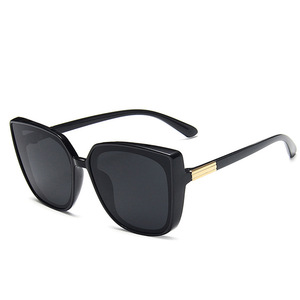
Vintage Cat Eye Big Frame Fashion Sunglasses & Driving Shades
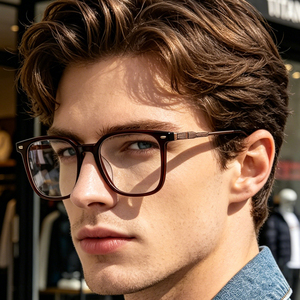
Metal and Acetate Combination Optical Frames with Quality Hinges
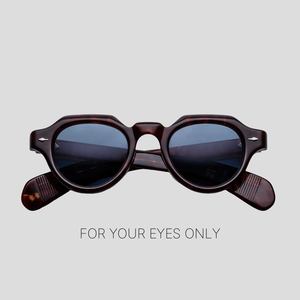
MDITA Retro Oval Full-Rim High-Quality UV400 Protection Sunglasses
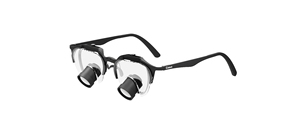
COBAZ Ultra Light Semi-TTL Adjustable Prism Comfortable Rimless Frame
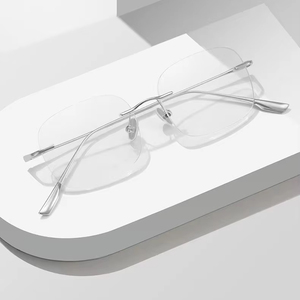
Titanium Rimless Business Design Optical Reading Eyeglass Frames
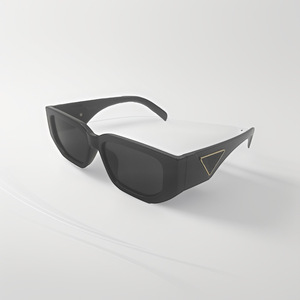
Luxury Designer Black Square Polarized UV400 Protective Sunglasses
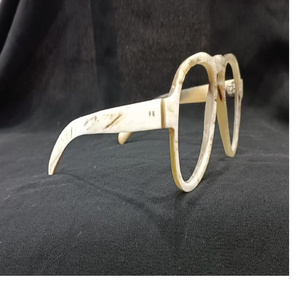
Handcrafted Natural Buffalo Horn Sustainable Foldable Optical Frames
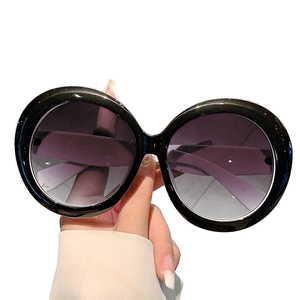
Oversized Round Lightweight Optical Sun Shades with UV400 Protection
Nagoya’s Demanding Optical Landscape: Balancing Tradition, Tech, and Ergonomics
The Chukyo Metropolitan Area, anchored by Nagoya in Aichi Prefecture, represents one of Japan’s most discerning and economically potent consumer bases. Unlike the rapid, fast-fashion cycle observed in parts of Tokyo’s Harajuku district, retail optics in Nagoya—spanning the premier retail counters of Sakae, Meieki (Nagoya Station district), and historical boutique havens like Osu—rely fundamentally on quiet luxury, structural longevity, and an uncompromising standard of optical precision.
Professional eyecare practitioners and optical procurement directors across Nagoya require factory partners capable of meeting both stringent domestic functional requirements and subtle aesthetic codes. Optical frames in this region must effortlessly bridge the gap between rigorous corporate environments—dominated by Nagoya’s automotive, aerospace, and precision engineering executives—and refined weekend social lifestyles. Sourcing classic optical frames requires meticulous attention to weight distribution, low pantoscopic tilt adjustments, and nasal cavity ergonomics tailored specifically for Asian facial profiles.
Chukyo Optical Procurement Parameters
- ✓ Modified Pantoscopic Tilt: 8° to 10° frame rake engineered to prevent lower rim contact with high zygomatic arches commonly noted in Japanese wearers.
- ✓ High-Density Bridge Pads: Built-up acetate splay pads and beta-titanium wire arms allowing micro-adjustments for flat nasal bridges without slippage.
- ✓ Progressive Lens Optimization: Generous B-measurement tolerances (minimum 32mm to 38mm vertical depth) engineered specifically to glaze advanced free-form progressive addition lenses (PAL) effortlessly.
- ✓ Minimalist Acoustic Branding: Unbranded exterior temples that emphasize material luster, hand-polished edges, and structural symmetry over ostentatious logo application.
Localized Regional Applications Across Greater Nagoya
Precision-tailored frame configurations designed for specific lifestyle and professional settings across Aichi Prefecture.
Corporate & Industrial Leadership in Meieki
In Nagoya's bustling central business district, high-ranking executives and engineering directors within the industrial manufacturing corridors demand featherweight durability. Our combination frames pairing aerospace-grade titanium chassis with cellulose acetate rims project refined authority without ergonomic fatigue during long hours of computer monitoring and boardroom negotiations.
Sakae High-End Concept Boutiques
Sakae represents Nagoya's cultural hub of haute couture and luxury goods. Concept boutiques and independent dispensaries in this district seek limited-run, hand-finished eyewear such as genuine natural buffalo horn and thick-gauge cured acetate. These frames appeal to a clientele that values tactile authenticity, bespoke organic warmth, and exquisite craftsmanship.
Advanced Progressive Vision Solutions
Demographic factors throughout Aichi require dispensaries to manage an increasing volume of presbyopic patients requiring multifocal lens integration. Our classic optical collection features deepened lens grooves, exact bevel angles (110° to 120°), and consistent frame eyewire curvature, ensuring precision lab glazing without induced optical aberrations or base-curve distortion.
Emerging Eyewear Sourcing Trends in Nagoya
How shifting consumer values and optometric lab requirements are defining wholesale frame procurement in Central Japan.
Transition Toward "Quiet Luxury" Over Loud Logos
Japanese optical consumers are progressively rejecting conspicuous, oversized brand logos on temple exteriors. Instead, procurement trends favor internal metal core-wire engravings, discrete temple-tip inlays, and immaculate hand-beveled edges. Nagoya buyers increasingly evaluate optical wholesale partners on the tactile feel of five-barrel hinges and material density rather than external licensing branding.
Eco-Acetate and Bio-Based Formulations
With Japan's stringent corporate sustainability mandates, optical chain stores in the Tokai region prioritize eco-friendly cellulose acetate derived from wood pulp and cotton fibers, free of toxic phthalate plasticizers. Factories offering verified biodegradable test certificates and sustainable horn sourcing gain an immense competitive advantage in Nagoya RFPs and wholesale tenders.
High-Accuracy Lab Compatibility
Optical chain dispensaries across Aichi utilize automated high-speed edging machinery (such as Nidek and Takubomatic edgers). Wholesale suppliers must deliver optical chassis that hold strict circumference tolerances. Inconsistent eyewire sizes or irregular bevel tracks lead to high lens slippage and rejection rates in modern automated dispensing laboratories.
Our Industrial Capabilities as a Premier Frame Factory
Direct-from-manufacturer benefits engineered to support institutional buyers, boutique opticians, and brand owners.
Integrated "Optical + Sol" Coherent Merchandising
Drawing from our proven brand architecture, every core classic silhouette is developed with dual engineering: an optical prescription variant alongside a Sol sunglasses interpretation. This enables Nagoya optical retailers to curate unified window and counter displays, allowing consumers to transition seamlessly between everyday Rx eyewear and UV protection within identical frame ergonomics.
Multi-Stage Hand Polishing & CNC Tolerances
Every frame undergoes a specialized 72-hour tumbling regimen using graded Italian birch chips and pumice powders, followed by manual buffing by seasoned master artisans. This imparts a silky, deep-luster surface finish that resists sebum breakdown and discoloration. Critical dimensions—including hinge-pocket depths and screw-thread pitches—are milled to ±0.02 mm tolerances.
Dedicated B2B Partnership & Rapid Reorder Infrastructure
We work exclusively with boutique owners, chain dispensaries, and regional distributors to eliminate channel conflicts. With established logistics pipelines serving Central Japan via Chubu Centrair International Airport and Port of Nagoya, we ensure dependable replenishment of core silhouettes, fast sample turnarounds, and localized line sheets.
Frequently Asked Questions by Nagoya Eyewear Buyers
Direct answers addressing technical parameters, minimum orders, customs compliance, and prescription fitting.
What specific bridge modifications are incorporated for Japanese & East Asian wearers in Nagoya?
Are demo lenses pre-installed, and can your frames support high-minus or progressive prescriptions?
What are the minimum order quantities (MOQ) and sample lead times for dispensaries in Aichi Prefecture?
What regulatory documentation and quality assurance standards are supplied for customs clearance into Japan?
What is the difference between your core optical models and the matching Sol sunglass collections?
Engineering Rigor: Why Chukyo Eyewear Importers Choose Our Factory
As an established global eyewear manufacturing partner, our facility merges advanced CNC robotics with meticulous benchwork. Every acetate slab is cured in temperature-controlled drying chambers for a minimum of 90 days to eliminate internal stresses and prevent frame warping after lens insertion. Our metal components utilize high-yield beta-titanium and lead-free nickel silver alloys, backed by multi-layer PVD vacuum plating that withstands the humid summer climate of Central Japan.
We welcome on-site factory audits and provide pre-shipment inspection (PSI) reports adhering to AQL 1.0/2.5 standards for every production batch. From hinge torque consistency tests to spectrophotometer color-matching, our operational discipline guarantees flawless inventory performance for retail shelves in Nagoya, Toyota, Okazaki, and Ichinomiya.
Request the Official Nagoya Wholesale Line Sheet
Connect directly with our engineering and B2B export desk to obtain sample frames, wholesale price lists, and technical specifications tailored for Japan's optical retailers.