Benchmark Titanium Optical Frames Catalog
Direct from Shenzhen’s advanced production lines: high-density pure titanium, flexible memory beta alloys, and electroplated optical frames engineered to strict B2B optical laboratory tolerances.
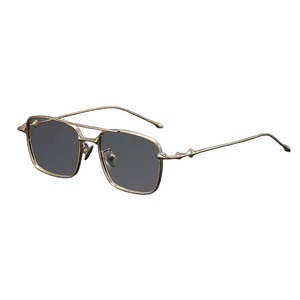
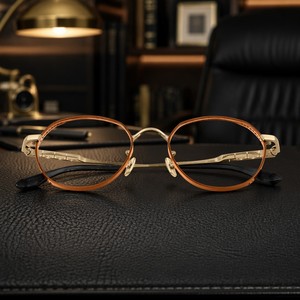
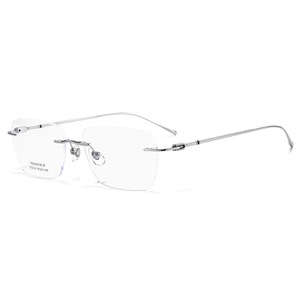
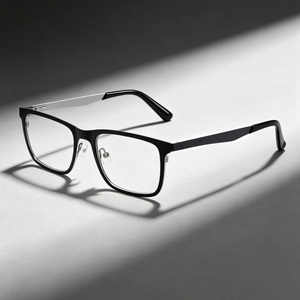
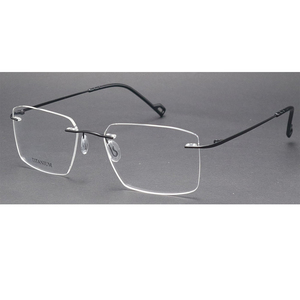
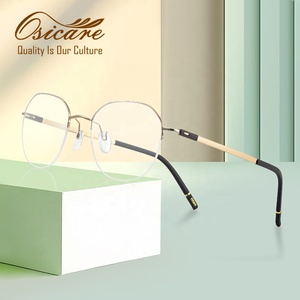
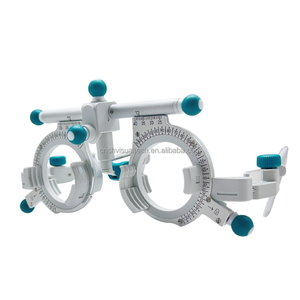
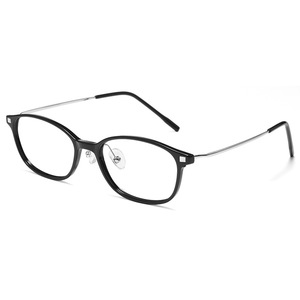
Analysis of the World's Top 10 Titanium Optical Frame Manufacturers & Industrial Clusters
Titanium optical manufacturing represents the apex of ophthalmic frame engineering. Unlike standard nickel-silver, monel, or standard stainless steel, the processing of pure titanium (alpha-phase) and beta-titanium alloys (Ti-15V-3Cr-3Sn-3Al) demands extreme tooling rigidity, controlled-atmosphere plasma or laser welding, and micro-scale CNC machining centers capable of resisting severe work-hardening.
In international optical procurement, identifying the optimal manufacturing partner requires analyzing geographic specialization, metallurgy sourcing, and cleanroom finishing capabilities. Below is an authoritative breakdown of the primary global manufacturing clusters and the operational competencies defining the Top 10 titanium eyewear factories worldwide:
| Cluster / Manufacturing Region | Core Material Competency | Technical Specialization | B2B Production Cost Index | Typical Volume Capabilities |
|---|---|---|---|---|
| Shenzhen (Henggang), China | Pure Titanium (Grade 1/2), Beta-Ti Wire/Sheet | High-end CNC micro-milling, Ion Plating (IP), Luxury OEM/ODM | Balanced / Highly Competitive | 500 to 50,000+ pcs/month |
| Sabae (Fukui Prefecture), Japan | Proprietary Beta-Ti Alloys, Gummetal | Hand-finishing, delicate tension temples, historical artisanal metallurgy | High Premium | 300 to 5,000 pcs/month |
| Belluno (Cadore Valley), Italy | Custom Titanium-Acetate Hybrids | Fashion-forward styling, integrated flex hinges, bespoke physical finishing | High Premium | 500 to 10,000 pcs/month |
| Wenzhou / Danyang, China | Commercial Titanium, Memory Ti wire | Rapid tooling, high-volume value eyewear, aggressive lead times | Economical / Volume Optimized | 10,000 to 200,000 pcs/month |
| Daegu Metropolitan, South Korea | High-elasticity Beta-Titanium sheet | Screwless architectural hinges, ultra-thin profiles, modern minimalist design | Moderate to High | 1,000 to 15,000 pcs/month |
The Top 10 manufacturing operations globally are clustered within these specialized regions. High-end Shenzhen factories, such as our manufacturing operations, bridge the gap between Sabae's metallurgical precision and modern, scalable high-volume turnaround. By leveraging imported 5-axis Japanese tooling and cleanroom PVD sputtering reactors directly in Shenzhen, enterprise optical buyers obtain the dimensional fidelity of bespoke Japanese eyewear combined with scalable industrial output and agile turnaround.
Factory Capabilities & Metallurgical Superiority
How our factory infrastructure resolves the structural vulnerabilities common to commercial metal optical frames.
Certified Alpha & Beta-Ti
We utilize certified Japanese and domestic Grade 1 pure titanium for core chassis components and high-elasticity Beta-Titanium (15-3-3-3) for temples, guaranteeing 100% biocompatibility, zero nickel leaching, and complete sweat resistance.
Argon-Chamber Laser Welding
Titanium forms brittle oxides instantly in atmospheric oxygen above 400°C. Our facility employs sealed high-purity argon chamber laser micro-welding stations, eliminating heat-affected zone (HAZ) crystallization and preventing bridge or lug fractures.
Class-1000 PVD Ion Plating
Rather than conventional wet chemical electroplating, we apply physical vapor deposition (IPG, IP Black, IP Bronze) in a Class-1000 cleanroom. Titanium nitride and carbon layers achieve a surface hardness surpassing 2000 HV, resisting corrosion and peeling under heavy wear.
Rx Optical Lab Rigidity
Every rim eyewire groove is cold-rolled with precise V-bevel and U-bevel profiles to within ±0.03mm. This guarantees secure retention of high-minus index lenses without edge chipping, frame twisting, or optical aberration during automated edging assembly.
Technological Trajectories Shaping Titanium Eyewear Manufacturing
The ophthalmic frame sector is witnessing a fundamental engineering transition. Consumer demand for "Quiet Luxury" and all-day ergonomics has propelled titanium from a niche specialty material into the dominant substrate for premium and medical-grade optical collections. Optical brands and retail chains must align their product development pipelines with three key technological trends:
1. Monoblock & Screwless Architectures
Eliminating traditional micro-screws and barrel hinges removes the single most frequent warranty failure point in retail optometry. Next-generation designs leverage CNC wire-cut Beta-Titanium sheet metal folded into self-tensioning, interlocking flex hinge mechanisms that maintain consistent temple friction over 150,000 continuous opening cycles.
2. Selective Laser Melting (SLM 3D Printing)
Direct metal laser sintering using Grade 23 Ti-6Al-4V ELI powder enables complex hollow core bridges, organic biometric lattices, and custom bridge anatomy impossible with traditional stamping presses. Post-processing with chemical mechanical polishing and vacuum sintering yields densities exceeding 99.8% with zero surface porosity.
3. Closed-Loop Green Metallurgy & PVD
European and North American regulatory compliance (REACH Annex XVII, EU Deforestation and Waste directives) is driving factories toward 100% dry PVD processes. Toxic cyanide and hexavalent chromium electroplating tanks are replaced by closed-loop magnetron sputtering, eliminating hazardous wastewater while elevating scratch hardness.
Procurement Trends for Optical Brand Buyers (2025–2030)
How purchasing directors, optical retail chains, and independent private labels are optimizing their supply chain economics.
Shift Toward Direct OEM Factory Integration
Mid-tier trading companies and sourcing agents are being replaced by direct technical collaboration with Shenzhen engineering facilities. Optical brands provide native STEP/IGES CAD files directly to factory tooling engineers, compressing rapid prototyping lead times from 12 weeks to under 18 business days.
Demand for Hybrid Material Integration
Pure metal frames are evolving into composite structures combining high-definition Japanese cellulose acetate rims with ultralight Beta-Titanium chassis (as seen in our retro steampunk and vintage business selections). Sourcing managers require factories capable of managing both acetate CNC machining and metal milling under one roof to avoid thermal expansion mismatches.
Agile Batch Flexibility & MOQ Rationalization
Excess dead-inventory risk has pushed brands away from 2,000-piece minimum runs. Modern precision factories utilize automated CNC clamping jigs that allow multi-colorway runs as low as 100 to 300 pieces per SKU, enabling brands to test localized market demand before committing to broad warehouse replenishment.
Frequently Asked Questions for B2B Optical Procurement
What is the metallurgical difference between Pure Titanium (Alpha) and Beta-Titanium in optical frames?
How do you prevent IP (Ion Plating) color peeling and nickel leaching on titanium frames?
Can your titanium rimless and half-rim frames accommodate high-power prescription lenses without cracking?
What are the typical tooling charges, sample lead times, and MOQs for OEM/ODM titanium projects?
What automated quality assurance protocols are applied to every production batch?
Partner with a Verified Shenzhen Titanium Manufacturer
Accelerate your optical brand's margin performance with Japanese-grade pure titanium and Beta-titanium engineering, direct factory pricing, and certified European/US compliance. Connect with our senior optical engineering desk today.