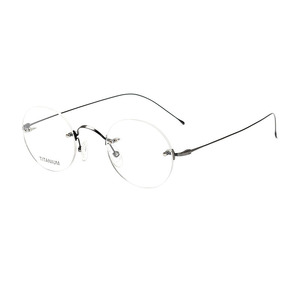
Pure Titanium
Fashion Eyewear Pure Titanium Rimless Eyeglasses Frames Optical Round Eye Glasses
Ultra-Light < 9.8g
Rx-Ready Rimless
Round optical frames maintain the highest sell-through cadence across international optical dispensary channels and independent retail chains. Explore precision-machined titanium, beta-memory alloys, ultra-dense acetates, and polarized clip-on combinations designed for modern prescription glazing.

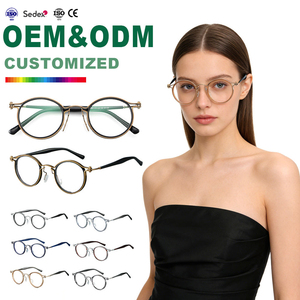
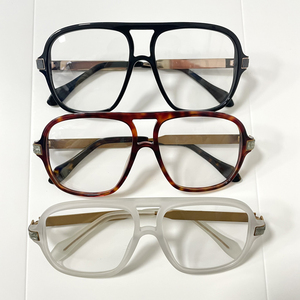
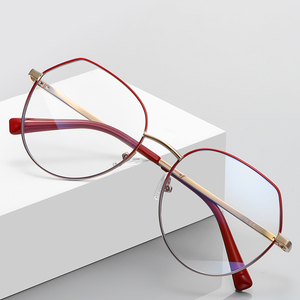
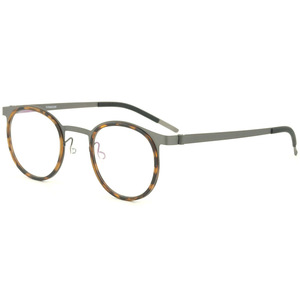
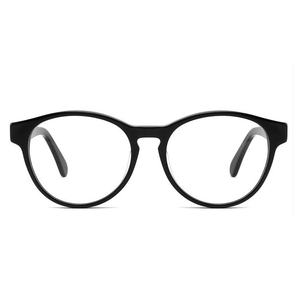
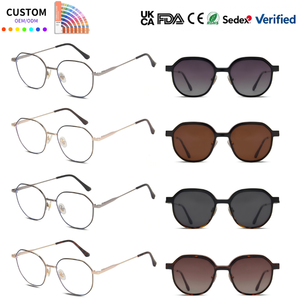
Procurement strategies in the optical frame sector have shifted from transactional bulk purchasing to data-driven, specification-first partnerships. Dispensaries and distributors demand structural consistency that minimizes laboratory lab return rates and aligns with circular material expectations.
With the global rise in high myopia, optometry practices favor round frames with optimized eye wire depths (ranging from 2.2mm to 2.8mm). This architectural design conceals high-index 1.67 and 1.74 negative lens edges, mitigating unwanted peripheral chromatic aberrations while preserving frame rigidity under mechanical stress.
Modern retail buying protocols mitigate over-inventory risks by executing initial runs across targeted core pantone profiles, supplemented by localized distribution warehouses. Tier-1 suppliers now accommodate low Minimum Order Quantities (MOQs) with standardized screw threads, modular hinges, and rapid core-color reorders.
End-users increasingly search for versatile eyewear investments. This behavior drives surging wholesale demand for round geometric frames equipped with precision-fitted TR90 polarized magnetic clips, photochromic-ready demo lenses, and integrated acoustic smart-temple modular compatibility.
Round frames have moved past simple vintage revivals. Contemporary designs unite timeless intellectual aesthetics with computerized structural profiling, ensuring balanced weight distribution and extended wearability.
Modern CAD-modeled bridge heights and multi-angle adjustable beta-titanium pad arms accommodate diverse craniofacial anatomy, completely resolving slippage on low nasal profiles.
By introducing a flattened upper horizontal line onto a round circular base (Crown Panto), designers accentuate the wearer's eyebrow contour while maintaining optical symmetry for wide-field progressive lenses.
Replacing basic wet electroplating, state-of-the-art PVD vacuum ion-plating coats titanium and alloy surfaces with micron-level protection, ensuring zero nickel-release and unmatched sweat resistance.
Eliminating loose hinge screws, modern round frames frequently utilize friction-fitted cylindrical barrel joints and precision-machined leaf-spring assemblies that retain consistent opening tension through 25,000+ cycles.
Built on over a decade of precision optical engineering, our manufacturing infrastructure bridges quiet luxury aesthetics with stringent B2B quality control frameworks.
Every round chassis is calibrated on CNC rim-forming units with tight tolerances (±0.15mm). Lenses mount securely without lens strain or unwanted rotation, guaranteeing seamless laboratory edging for both single vision and complex progressive additions.
From raw material spectrophotometry checking for nickel leaching to bridge endurance spring testing, salt-spray corrosion chambers, and cross-hatch lacquer adhesion evaluations, each shipment conforms to ISO 12870 and FDA requirements.
We provide end-to-end realization for boutique eyewear brands and retail chains: bespoke laser temple branding, nose-pad stamping, custom packaging ecosystems, and dedicated localized logistics support.
Clear, technical insights addressing critical purchasing criteria, certification parameters, custom production runs, and glazing lab integration.