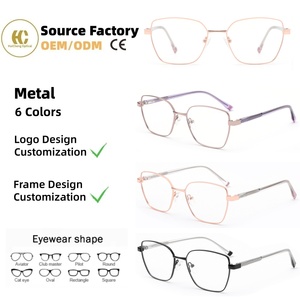
B2B Core Inventory
Engineered Optical Frames & Designer Sun Wear
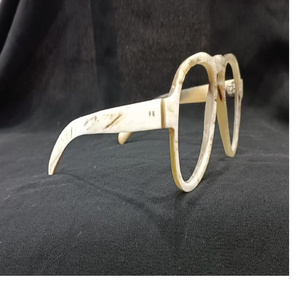
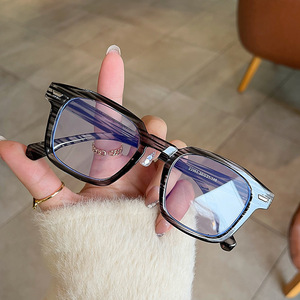
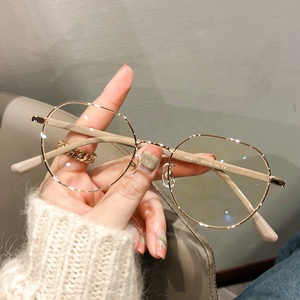
Precision-milled acetate, aerospace-grade titanium, and organic horn architectures calibrated for prescription glazing (Rx-ready) and zero-distortion polarized optical performance.
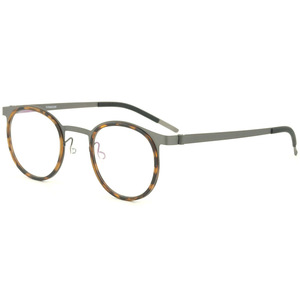
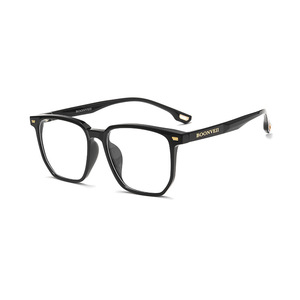
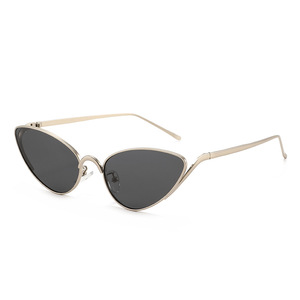
99.8%
Polarization Efficiency Index
< 0.15%
Global Return / Defect Rate
45+ Days
Acetate Aging & Curing Cycle
ISO 12312-1
ANSI Z80.3 & CE Certified
Factory Capabilities
OEM/ODM Manufacturing Infrastructure: Beyond Surface Assembly
In high-tier eyewear supply chains, structural longevity is governed by metallurgical composition, polymer stability, and hinge friction engineering. Here is how our production facility executes luxury standards.
Custom CNC Milling & Acetate Curing
Unlike rapid injection plastics, our acetate frames utilize high-density cellulose acetate sheets derived from cotton linters. Sheets undergo a 45-to-60 day curing process in temperature-controlled kilns to eliminate internal thermal stresses.
Subsequent 5-axis computerized numerical control (CNC) profiling delivers tolerances within ±0.05mm, preventing rim warping during post-sale prescription lens edge-glazing.
Aerospace Japanese Titanium Sourcing
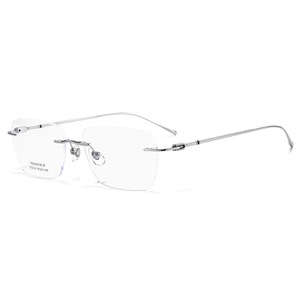
For frameless and ultra-slender architectures, our workshops source raw Japanese Beta-Titanium (Ti-15V-3Cr-3Sn-3Al). This metallurgy grants incredible memory elasticity, extreme corrosion resistance against human perspiration, and zero nickel-allergy liability.
Every bridge component is laser-soldered under vacuum argon atmospheres, ensuring zero microscopic oxidization voids.
Quiet Luxury Hand-Polishing Workmanship
Automated tumbling can round contours, but it cannot match genuine human barrel-to-hand finishing. Our artisan polishers implement a progressive three-stage birch-wood chip tumble followed by pumice wax buffing.
This yields a mirror gloss finish without micro-scratches, tactile seam ridges, or visible parting lines across temporal junctions and bridge saddles.
Optical Whitepaper
Polarized Lens Physics: 9-Layer Sandwich Construction
A designer sunglass frame is only as reliable as its optical core. Our polarized assemblies are engineered to eliminate reflective glare across maritime, alpine, and asphalt conditions without inducing chromatic aberrations.
| Layer Index | Structural Substrate | Technical Functionality & Performance Metric |
|---|---|---|
| Layer 01 & 09 | Hydrophobic & Oleophobic Nano-Coatings | Fluoropolymer contact angle > 112°; repels water drops, saltwater mists, and skin lipids; ensures lint-free cleaning without micro-abrasion. |
| Layer 02 & 08 | Dual-Sided Anti-Scratch Hard Coating (HC) | Colloidal silica sol cured thermally to achieve pencil hardness ≥ 4H; passes standard steel wool abrasion endurance tests (1000g load / 500 strokes). |
| Layer 03 & 07 | Multi-Layer Anti-Reflective (AR) Green/Blue Stack | Vacuum sputtering chamber deposition (TiO2/SiO2 stacks); eliminates backside reflective bounce back into the pupil; increases transmission to > 98.5%. |
| Layer 04 & 06 | Optical Polycarbonate or High-Index Nylon Carrier | Optically centered refractive carrier with Abbe number 45-52; zero focal distortion; exceeds ANSI Z87.1 high-velocity kinetic drop-ball impact parameters. |
| Layer 05 (Core) | PVA Iodine Molecular Polarizing Film (30μm) | Stretched poly-vinyl alcohol film oriented along a linear horizontal axis; delivers ≥ 99.8% polarization efficiency and absolute cut-off for UV400 (280-400nm). |
Procurement Forecasting
Future Procurement Trends: Where B2B Eyewear Buyers Are Investing
Strategic inventory planning demands anticipating consumer shifts 12 to 24 months before they reach luxury high-street retail. We track four macro movements dominating the wholesale sector.
Bio-Based Acetate & Recycled Polymers
Corporate ESG directives are reshaping retailer vendor qualifications. Brands are shifting away from phthalate plasticizers toward ISCC-certified bio-acetate (synthesized with bio-based plasticizers derived from sustainable wood pulp and vegetable starch).
Dual-Merchandising: "Optical + Sol" Formats
Retail shelf efficiency is paramount. Leading brands now order unified silhouettes configured as both clear demo frames and sun tinted counterparts. This reduces front-end mold R&D costs while doubling showroom merchandising density.
Ultra-Minimalist "Quiet Luxury" Identity
Overt logomania has receded in premium lifestyle segments. Purchasing agents prioritize bevel-cut acetates, custom filigree wire cores visible through translucent crystal temples, and internal hinge stamping over external metal logos.
Smart Ergonomics for Varied Geometries
Global distributors demand universal bridges or calibrated multi-fit nose pad brackets. Catering simultaneously to low nasal bridges and deep cheek profiles minimizes end-consumer sizing friction and showroom exchange rates.
Factory Advantage
End-to-End Supply Chain Governance
Exporting across 60+ countries requires rock-solid repeatability. We eliminate overseas sourcing risk through rigorous technical controls and low-friction OEM/ODM protocols.
Rapid 3D Prototyping & Mold Workshop
Transform technical CAD sketches into tactile 3D photopolymer mockups in under 72 hours. Our in-house mold toolmaking shop reduces private label pilot launch timelines by up to 40% compared to typical trading intermediaries.
Integrated Barrel Hinge Assembly
We install Teflon-coated 3-barrel, 5-barrel, and 7-barrel hinges pinned securely into acetate temporal cores. Every batch is subjected to 20,000 continuous cycle opening/closing tests to ensure zero torque degradation or hinge looseness.
100% Optical Bench QA Auditing
Prior to shipment packaging, each production run is verified against collimation analyzers to check for prismatic errors, diopter shifts, and polarizing film alignment angles (≤ 1.5° horizontal deviance), satisfying stringent FDA and CE compliance.
Procurement Intelligence
Frequently Asked Questions for B2B Eyewear Buyers
Crucial commercial and technical data to streamline negotiations, prototyping timelines, and customs compliance.
What are your minimum order quantities (MOQ) for custom OEM acetate and metal sunglasses?
For bespoke OEM production involving custom acetate sheet patterns or proprietary tooling, our baseline MOQ is typically 300 to 500 pieces per model, divisible across 2 to 3 colorways (approx. 100-150 pcs per color). For in-stock catalog silhouettes or private-label laser personalization, we offer agile minimums starting at 50-100 units to support boutique pilot tests.
How do you ensure polarizing axis consistency across mass production runs?
Every polarized lens sheet is laser-indexed with a baseline datum line prior to computerized edging. During bevel profiling, automated jigs secure the lens blank to keep the polarization axis strictly within ±1° of horizontal orientation. This eliminates visual fatigue and parallax distortions often encountered in lower-grade factory assembly.
Are optical frames shipped with demo lenses compatible with lab glazing?
Yes. Every optical model is supplied with high-rigidity 1.2mm to 1.4mm clear acrylic (PMMA) or polycarbonate demo lenses to preserve eyewire structural tension during ocean freight. Frames feature precision-cut V-grooves matching standard 0.6mm-0.8mm prescription edger bevel profiles, facilitating seamless single-vision and progressive digital lens mounting at optician laboratories.
What international testing certifications accompany export consignments?
Our manufacturing operations operate under ISO 9001:2015 quality frameworks. Products comply fully with international sun protection standards including ISO 12312-1 (European Union), ANSI Z80.3 (United States), and AS/NZS 1067.1 (Australia/New Zealand). Full batch testing reports covering drop-ball resistance, nickel release, and UV400 spectral transmittance are issued with customs declarations.
Can you accommodate bespoke custom packaging, hard cases, and branded collateral?
Yes, our ODM scope encompasses full unboxing brand architecture: FSC-certified paper hard cases, recycled microfiber pouches (with high-density screen or debossed logos), ultrasonic microfiber cleaning cloths, optical specification booklets, and barcode/UPC retail tags prepared for immediate warehouse intake.
What are the lead times for prototyping, tooling development, and full container shipments?
Rapid 3D printed engineering samples take 3 to 5 business days. Mold tooling and steel master creation require 25 to 30 days. Full-scale batch mass production runs from confirmed technical approval to dispatch within 45 to 60 days, depending on acetate kiln curing schedules and complex electroplating finishes.
Partner With a Proven OEM/ODM Eyewear Manufacturer
Elevate your brand's optical portfolio with factory-direct precision, quiet luxury finishing, and verified polarized lens engineering. Speak with our technical accounts department or request our comprehensive wholesale product line sheet.
Get Catalog