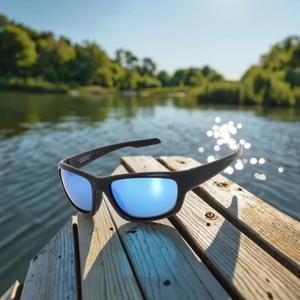
Turnkey Assortment & Reference Architecture
Benchmark Production Silhouettes & Core OEM/ODM Form Factors
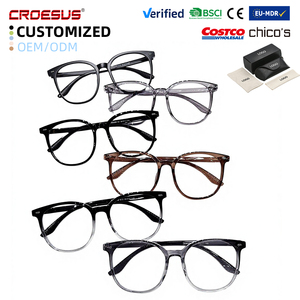
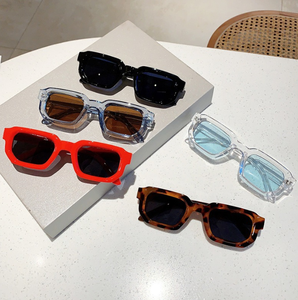
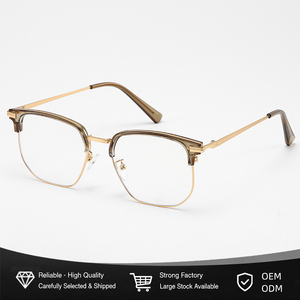
Explore eight core optical and solar architectures fabricated across high-grade Italian Mazzucchelli acetate, medical-grade Japanese beta-titanium, ultra-flexible Swiss TR90, and refined stainless alloys. Engineered for high-yield prescription glazing and balanced weight distribution.
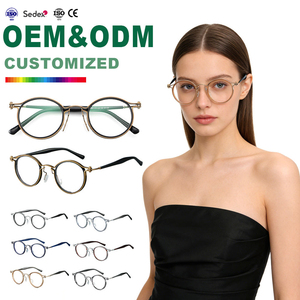

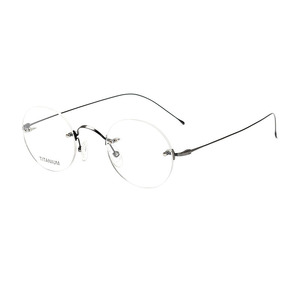

0.05mm
5-Axis CNC Precision Tolerance
72hrs
Tumble Tumbler Polishing Cycle
100%
Rx Laboratory Glaze-Ready Guarantee
25,000+
Cycle Hinge Fatigue Durability
The Chemistry of Italian Acetate: Cellulose Acetate vs. Standard Polymers
In high-end eyewear engineering, the distinction between commercial-grade plastics (such as injection-molded polycarbonates or standard nylon) and authentic Italian acetate (originated by masters such as Mazzucchelli 1849) lies in polymer structural integrity, thermodynamic behavior, and mechanical memory. Italian acetate is fundamentally an organic bioplastic derived from purified cotton linters and wood pulp flakes, plasticized using triacetin and selected organic phthalate-free additives.
Technical Insight: Unlike petrochemical injection resins which suffer from internal stress cracking and thermal warping after lens beveling, block-cast Italian cellulose acetate undergoes a rigorous 60 to 90-day static oven-curing process. This stabilizes the molecular moisture content below 1.2%, preventing post-manufacture frame distortion and shrinkage over extensive commercial shelf lives.
When engineering an optical frame intended to house precision corrective ophthalmic lenses, dimensional stability across fluctuating ambient temperatures is paramount. The internal molecular alignment of block-cast Italian sheet acetate provides an elasticity modulus between 2100 and 2700 MPa. This allows opticians to gently heat the eyewire (typically at 55°C to 65°C using forced-air frame warmers), insert base-curve 2 to base-curve 6 lenses, and rely on the material’s viscoelastic snap-back to retain the lens bevel under extreme torsional load without micro-fissuring.
Chromatographic Depth
Multi-layered color deposition achieves natural tortoiseshells, horn simulations, and deep translucent hues that cannot be replicated by surface-painted polymers.
Thermal Plasticity Memory
Permits cold-temple bending and anatomical pantoscopic tilt modifications at dispensing stations without structural brittle failure or delamination.
Dermatological Biocompatibility
ISO 10993 cytotoxicity, skin irritation, and sensitization compliance ensures complete safety for hyper-sensitive patients in warm, humid microclimates.
From Raw Acetate Slab to Ophthalmic Masterpiece: 5-Phase OEM/ODM Lifecycle
Precision manufacturing of high-end acetate eyewear demands a synthesis of digital 5-axis computer numerical control (CNC) milling and artisanal benchwork. Achieving the refined touch and edge-definition demanded by quiet luxury brands requires 140 distinct sequential operations.
PHASE 01
Curing & Profiling
Sheet baking at controlled humidity followed by CNC rough-cutting of eyewires and internal bevel grooves to ±0.05mm tolerance.
PHASE 02
Core Shooting
High-temperature wire core shooting through acetate temple blocks with custom laser-etched stainless or brass filigree armatures.
PHASE 03
Tumble Polishing
72-hour cascading barrel treatment through graded beechwood pegs, pumice granules, and plant-derived carnauba waxes.
PHASE 04
Hinge Riveting
Ultrasonic embedding or traditional through-front twin-rivet anchoring of 5-barrel or 7-barrel German/Italian hinge assemblies.
PHASE 05
Lab Glazing & QC
Demo lens cold-click verification, four-point co-planar bridge alignment inspection, and drop-ball impact safety validation.
Architectural Cohesion: The "Optical + Sol" Merchandising Advantage
Modern luxury retail formats require streamlined brand narratives. As pioneered in our contract design methodologies, each core optical design is systematically co-developed with an identical sun-silhouette ("Sol") counterpart. This allows optometric boutiques and lifestyle luxury stores to cross-merchandise frames within a single modular wall showcase, drastically lowering end-consumer friction and doubling inventory stock-turnover velocity.
Technical Engineering Comparison: Eyewear Substrates for Luxury & Performance
When selecting frame materials for a private label line, procurement directors must weigh structural flexural modulus, weight density, mold tooling capital expenditure, and optical lab adaptability.
| Material Substrate | Specific Gravity | Flexural Modulus | Tooling Lead-Time | Rx Glazing Tolerance | Target Market Application |
|---|---|---|---|---|---|
| Italian Cellulose Acetate | 1.28 - 1.32 g/cm³ | 2,400 MPa | 2 - 3 Weeks (CNC) | Exceptional (High Memory) | Quiet Luxury, Boutique Rx, Heritage Sun |
| Beta-Titanium (Japan Grade) | 4.43 - 4.51 g/cm³ | 105,000 MPa | 4 - 6 Weeks (Precision Die) | Moderate (Lab Specialization) | Ultralight Minimalist, Executive Prescription |
| Swiss EMS TR90 (Nylon) | 1.02 - 1.05 g/cm³ | 1,600 MPa | 6 - 8 Weeks (Injection Mold) | Strict Base Curves Only | Sport Performance, Tactical, Budget Ergonomic |
| Eco Bio-Acetate (M49 Style) | 1.29 - 1.34 g/cm³ | 2,350 MPa | 2 - 3 Weeks (CNC) | Exceptional (ISO 14855) | ESG Luxury, Circular Economy Collections |
Future Sourcing & Procurement Trends in Acetate Eyewear (2025–2030)
The global luxury eyewear ecosystem is undergoing a tectonic shift driven by European sustainability mandates, computerized facial ergonomic scanning, and decentralized supply chain diversification. Brands must proactively incorporate the following technical developments into their RFQs:
Certified Bio-Acetate
Mandatory adoption of non-petroleum plasticizers (meeting ISO 14855 biodegradation standards) without compromising polymer crystalline brilliance.
3D Anatomical Bridge Skiving
Moving away from uniform nose pad angles toward multi-axis CNC sculping tailored specifically for universal global bridge ergonomics (Global Fit / Asian Fit).
Digital Traceability Passports
Micro-laser barcoding on inside temples detailing acetate lot traceability, chemical compliance reports, and origin authenticity verification.
Hybrid Metal-Acetate Laminations
Seamless co-molding of ultra-thin 0.8mm beta-titanium skeleton sheets directly between Italian acetate wafers for structural featherweight strength.
Why Global Luxury Labels Entrust Us With Custom OEM/ODM Manufacturing
Operating as an end-to-end industrial manufacturer, we solve the common vulnerabilities of private-label optical manufacturing: inconsistent hinge tensions, poor tumble luster, inaccurate eyewire profiling, and sluggish sample development.
Bespoke Wire Core Tooling
In-house CNC stamping of high-definition customized wire core temples. We engrave brand motifs, crests, and geometric knurling directly onto titanium and brass wire blanks before high-pressure insertion.
Optical Lab Inspection Rigor
Every frame is certified prescription-ready. Eyewire bevel angles are calibrated to exact 115° profiles, ensuring seamless high-index CR39, Polycarbonate, and Trivex lens edging without rim distortion.
Direct Italian Material Supply Chain
Consolidated direct purchasing accounts with Mazzucchelli 1849 and top European color houses guarantee priority allocation for exclusive archive patterns, translucent ambers, and seasonal solids.
Compliance & Certifications: Full batch traceability adhering to CE (EU) 2017/745 Medical Device Regulation (MDR) Class I, ISO 12870 (Ophthalmic Optics - Spectacle Frames), ANSI Z80.3, and AS/NZS 1067.1 sun protective standards.
Procurement Due Diligence
Frequently Asked Questions for Optical Brand Procurement
Essential technical and commercial parameters for production managers, brand directors, and international optical distributors.
What are your minimum order quantities (MOQ) for custom Italian acetate?
For custom OEM designs utilizing stock Mazzucchelli acetate colorways, our standard MOQ is 300 pieces per shape, split across 2 to 3 color variants (100–150 pcs per color). For fully customized, proprietary-cast acetate patterns requiring dedicated block polymerization, the minimum is 500 pieces per acetate specification.
How do you handle prototype prototyping and 3D technical CAD generation?
Upon receipt of your aesthetic sketch, 2D vector file, or reference sample, our CAD optical engineers generate comprehensive 3D parametric renderings (.STP/.IGS) within 72 business hours. Physical hand-carved acetate engineering samples and functional 3D resin mockups are dispatched within 10 to 14 days for physical fit validation.
Can optical frames and matching sunglasses share the exact same tooling?
Yes. Our proprietary "Optical + Sol" program is designed specifically to capitalize on single-chassis tooling. The front frame rim angle, bridge anatomy, and temple assemblies remain identical, while the optical variant receives demo glazing and the sun variant is fitted with premium nylon (polyamide) or CR39 category 3 polarized lenses with inner AR coating.
What hinge hardware systems are integrated into your acetate assemblies?
We work predominantly with premium German (OBE, Visottica-Comotec) and bespoke Italian hinge systems. We offer custom-riveted 5-barrel and 7-barrel hinges, flex-spring hinges with anti-rocking stops, and custom-cast integrated temple hinges soldered cleanly into custom wire cores.
How is product quality controlled during bulk manufacturing?
We deploy an AQL 1.0/2.5 statistical inspection methodology. In-line checkpoints include moisture verification post-curing, CNC bevel channel precision testing with go/no-go optical gauges, 25,000-cycle bridge flex and hinge fatigue testing, and 100% cosmetic surface inspection under high-lux polarized bench lights before final sterile packaging.
Do you offer eco-friendly, biodegradable, and circular packaging solutions?
Yes. Beyond supplying certified bio-based cellulose acetate (M49 equivalents), we provide turnkey private-label packaging including recycled genuine leather cases, FSC-certified cardboard exterior presentation boxes, RPET recycled microfiber cleaning cloths, and home-compostable cornstarch protective sleeves.
Ready to Engineer Your Next Quiet Luxury Eyewear Collection?
Initiate direct technical consultation with our senior eyewear development engineers. Request our seasonal Italian acetate swatch deck, full line sheets, and comprehensive private-label OEM/ODM project estimation.