TR90 Hybrid
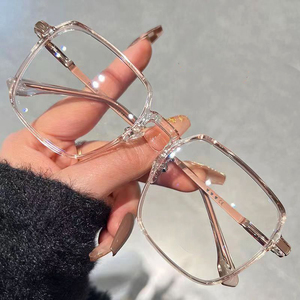
Custom TR90 Anti-Blue Light Computer Optical Frame
TR90 Memory Polymer
Blue-Cut Lenses
Product Specifications
Curated prescription-ready chassis engineered for independent optical practices, luxury boutiques, and global distributors. Optimized for automated edging and progressive lens adaptation.
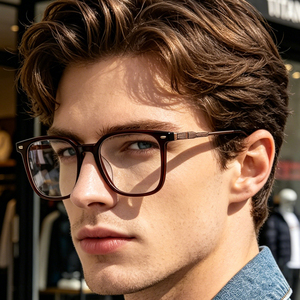
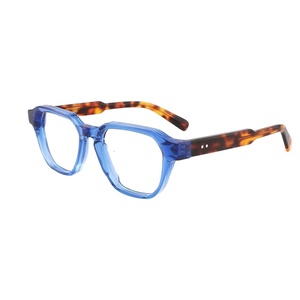
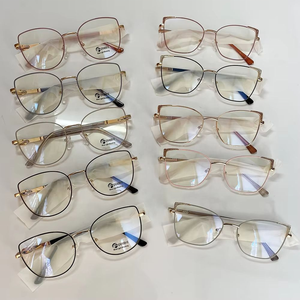
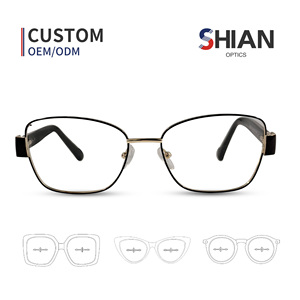
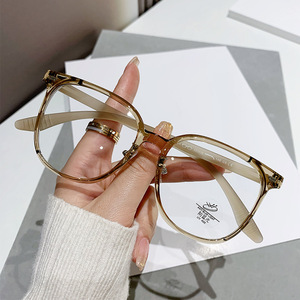
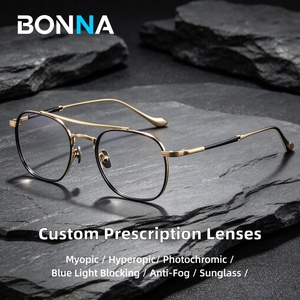
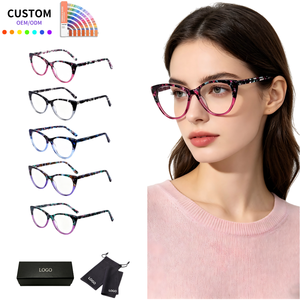
A technical cross-comparison of optical frame substrates to assist category managers in balancing tensile strength, weight distribution, and retail margins.
| Material Substrate | Specific Gravity (g/cm³) | Tensile Modulus (MPa) | Glazing Groove Integrity | Hypoallergenic Grade | Recommended Retail Segment |
|---|---|---|---|---|---|
| Cellulose Acetate (Bio-Based) | 1.28 – 1.32 | 1,800 – 2,400 | Excellent (Heat Adaptable) | Medical Grade (Plasticizer Free) | Quiet Luxury / Boutique |
| Pure Titanium (Grade 2) | 4.51 | 105,000 | Exceptional (Cold Mount) | 100% Bio-Inert | Ultralight Executive |
| TR90 Grilamid Memory | 1.00 – 1.02 | 1,400 – 1,600 | High Elastic Recovery | Non-Toxic Skin Safe | Everyday / Blue-Cut Digital |
| High-Density Recycled Steel | 7.80 – 7.95 | 190,000 – 210,000 | Rigid Geometric Stability | Nickel-Free IP Plated | GRS Eco-Certified Chains |
How supply chain executives are navigating regulatory compliance, circular material mandates, and margin optimization in high-volume optical retail.
Global optical retailers are actively phasing out traditional petroleum-derived phthalate plasticizers. Procurement demands are shifting toward certified bio-acetates derived from sustainably managed wood pulp and cotton seeds, conforming to ISO 14855 standards for biodegradability without sacrificing temple elasticity or dimensional holding memory.
Wholesale buyers are refusing frames that exhibit high rejection rates during robotic lens mounting. Forward-thinking suppliers must now guarantee rim groove consistency (0.6mm standard V-bevel depth) to ensure high-index 1.67 and 1.74 progressive lenses mount without edge stress cracking or premature frame warping during clinic assembly.
The era of rigid 1,200-piece single-color MOQs is being superseded by hybrid contract manufacturing. B2B distributors are leveraging responsive inventory models: ordering smaller initial test runs (100–300 units) per silhouette across diversified colorways, backed by reserved unpolished frame blanks for rapid finishing within 15 calendar days.
The technological shift driving superior structural durability, featherlight balance, and effortless ergonomic fit in modern optical wear.
Eliminating thermal distortion through cold-milling technology, ensuring frame geometries strictly maintain 4.0-to-6.0 base curves for precise Rx lens seating.
Next-generation optical designs incorporate integrated mechanical locks, eliminating customer returns caused by loose hinge screws and temple misalignment.
Advanced vacuum ion sputtering replaces standard electroplating, offering corrosion-proof finishes tested to endure 72 hours of intense synthetic sweat immersion.
Factory-calibrated 8°–10° temple pantoscopic angles designed across universal bridge profiles, delivering maximum optical clarity and reducing lab adjustments.
Combining the heritage of handcrafted finishing with cutting-edge optical laboratory compliance to support your private label growth.
From sketch-to-shelf execution: Our engineering department converts hand drawings into fully parameterized SolidWorks CAD files within 72 hours. We handle rapid 3D prototyping, tooling mold fabrication, internal wire-core dies, and customized laser-engraved temple cores with absolute brand confidentiality.
Every production batch undergoes comprehensive mechanical validation in our in-house optical testing lab. We subject finished frames to 20,000-cycle bridge fatigue testing, temple pull-force tension trials, environmental temperature shock (-20°C to +60°C), and automated lens retention assessments.
Beyond frame fabrication, we offer end-to-end consumer presentation solutions: custom FSC-certified rigid cases, microfiber cleaning textiles with high-definition digital transfer printing, anti-counterfeit QR authentication tags, and export-compliant barcode labeling ready for instant retail intake.
Direct technical answers addressing minimum order commitments, lab tooling timelines, regulatory certifications, and prescription glazing compatibility.
For custom acetate frames requiring bespoke sheet extrusion or CNC profiling, our standard MOQ is 300 pieces per model, allowing up to 3 distinct colorways (100 pieces/color). For stock catalog models with custom laser logo branding, the MOQ begins at only 50–100 pieces per SKU.
Yes. All optical frames leave our facilities with optical-grade acrylic or CR-39 demo lenses featuring precise edge bevels. Frames are designed to meet ISO 12870 standard rim tensions, ensuring professional opticians can glaze single-vision, bifocal, and progressive lenses without frame rupture.
3D rendered CAD files are finalized within 3 working days. CNC working functional samples are delivered within 10 to 14 days. Following sample sign-off and lab approval, bulk volume manufacturing typically requires 35 to 45 business days depending on acetate curing requirements.
All optical chassis and sun protection frames fully comply with EU Regulation 2017/745 (MDR) for Class I medical devices, REACH chemical compliance (nickel release standards EN 16128), and US FDA Device Registration requirements for ophthalmic spectacles.
Connect with our technical eyewear specialists to request physical pre-production samples, structural material test reports, and the complete 2025/2026 OEM/ODM frame catalog.
Get Catalog