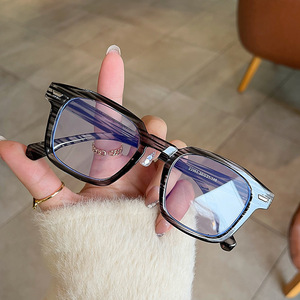
Croesusoptics Lightweight Unisex Gray Striped Square Frame Blocking Glasses
Material: Cellulose Propionate
Fit: 52-18-142
Engineered specifically for single-vision, progressive, and high-diopter prescription glazing. Each model features optimized pantoscopic tilt, reinforced barrel hinges, and micro-grooved eyewires.
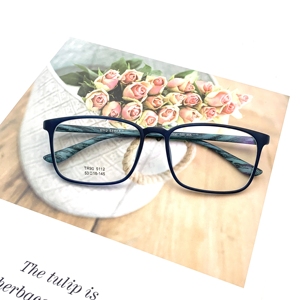
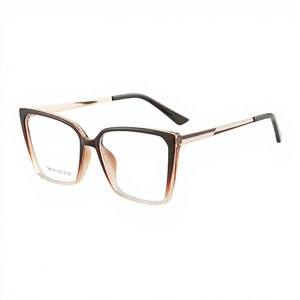
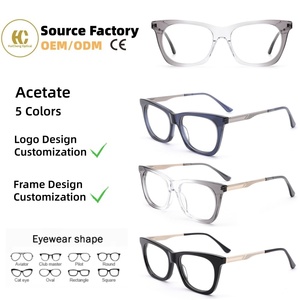
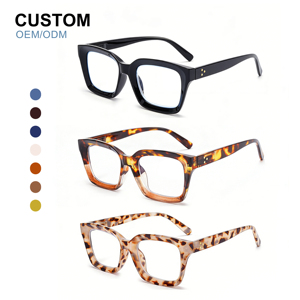
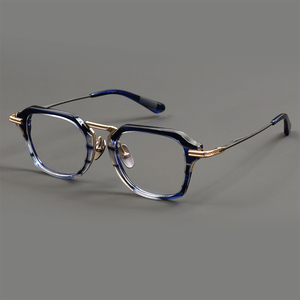
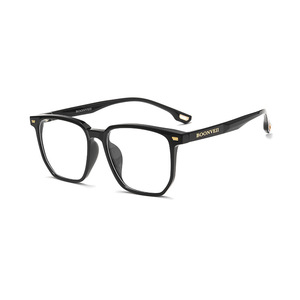

As consumer demand transitions toward durable minimalism, ergonomic versatility, and verified sustainability, optical wholesale buyers and independent retail chains are fundamentally restructuring their purchase architectures.
Traditional petroleum-derived cellulose acetate is rapidly being phased out by European and North American retail groups. Forward-thinking procurement managers are locking contracts for bio-based acetate derived from wood pulp and cotton linters plasticized with renewable ester plasticizers.
Bio-acetate offers equivalent tensile strength, dimensional stability, and coloration depth while achieving ISO 14855 biodegradation standards without warping under lens edging thermal insertion cycles.
The historic 6-month tooling timeline for injection molded frames is obsolete for competitive private labels. B2B buyers now mandate digital prototyping, SLA 3D mockups within 48 hours, and 5-axis CNC parametric tooling that eliminates expensive steel injection molds for pilot batches.
This allows eyewear brands to introduce micro-seasonal square frame silhouettes, test regional nose bridge geometries, and iterate temple lengths with zero dead-inventory exposure.
Pure acetate frames frequently encounter weight and creep limitations in oversized square silhouettes. The procurement landscape has pivoted toward co-molded and screw-locked hybrid structures: Japanese Grade 2 pure titanium inner chassis married with featherweight acetate or TR90 rims.
This hybrid construction redistributes center-of-gravity backward toward the ear hook, reducing nose bridge pressure by up to 42% for prescription wearers.
Square optical profiles exhibit distinct geometric stresses compared to oval or round frames. Below is our manufacturing baseline detailing tolerances, material physics, and structural longevity tests enforced at our factory facilities.
| Component & Dimension | OEM Standard Specification | Manufacturing Tolerance | Optical Laboratory Impact & Benefit |
|---|---|---|---|
| Bevel Angle & Groove Depth | 110° V-Shape, 1.45mm depth | ±0.03mm (5-Axis CNC) | Prevents lens star-burst fracturing during automated edging; accommodates ±6.00D lenses without rim splay. |
| Bridge Pantoscopic Angle | 8.5° downward inclination | ±0.5° inclination | Aligns optical center with natural visual axis during digital device usage; minimizes progressive distortion corridor. |
| Hinge Barrel Assembly | 5-to-7 barrel German OBE / Visottica hinges | Torque setting 0.18–0.22 N·m | Maintains smooth temple articulation over 35,000 openings without screw thread stripping or play looseness. |
| Acetate Moisture Curing | Cured at 48°C for 72h after slicing | Residual solvent <0.05% | Eliminates post-production frame shrinkage, warping, or temple bowing under warm climate storage conditions. |
| Core Wire Integration | 0.8mm nickel-silver engraved wire | Centered ±0.08mm inside arm | Facilitates cold-bending adjustment for licensed opticians while locking structural temple memory permanently. |
| Surface Hardness & Coating | Vacuum PVD / 4H Polyurethane Lacquer | Cross-hatch test ISO 2409 (0/5B) | Resistant to sweat, alcohol sanitization, cosmetic foundation chemicals, and artificial ultraviolet exposure. |
Square rims are notorious for corner-stress concentration. We deploy high-rpm diamond cutters operating under liquid-cooled conditions to craft smooth radius micro-fillets inside every corner (R0.35mm), neutralizing localized hydrostatic pressure when thick polycarbonate or high-index 1.74 lenses are bevel-mounted.
Our 96-hour polishing regimen passes through raw birch wood pegs, coarse pumice stone, dry beech-wood granules, and finally Italian microcrystalline carnuba wax. This removes every trace of CNC machining lineation without blunting the crisp architectural facet edges distinctive to high-end square geometries.
Opticians demand frames that adjust easily without thermal fracturing. We integrate customized nickel-silver inner corewires stamped with guilloché textures, offering optimal rigidity in the front third for ear stabilization and progressive malleability along the distal end for custom ergonomic wrapping.
From initial industrial CAD concept rendering to retail-ready blister packaging and barcoding, we deliver an uncompromised OEM/ODM turn-key manufacturing ecosystem tailored for international supply chains.
320,000+ finished frames per month across 12 automated and semi-manual finishing production lines.
35 dedicated mold engineers; customized CNC tooling paths engineered within 72 hours of drawing signoff.
Certified for FDA 21 CFR 801.410 impact resistance, ISO 12870, EU 2017/745 MDR, and CE compliance.
Proprietary raw-block slicing and lamination techniques resulting in <6% material offcut waste.
Bilingual optical engineers handling sample tracking, ERP logistics integration, and door-to-door DDP transit.
Crucial parameters covering minimum orders, lab compatibility, raw material origins, and custom tooling amortisation.
Connect directly with our senior optical manufacturing engineers. Request physical sample kits, discuss bespoke private label drawings, or obtain rapid factory quotation tiers tailored to your annual volume.