Certified Sustainable Eyewear & Precision Optical Frames
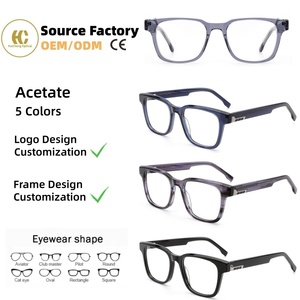
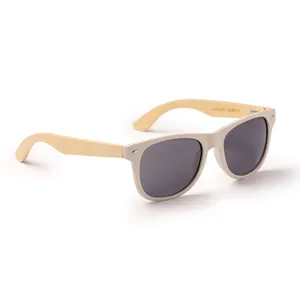
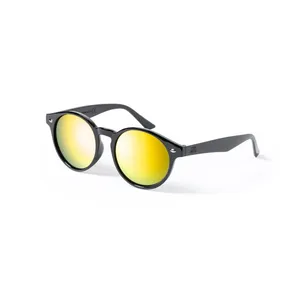
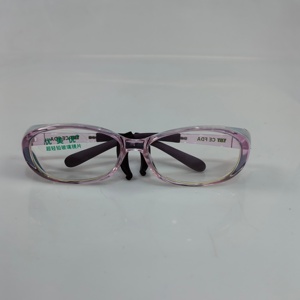
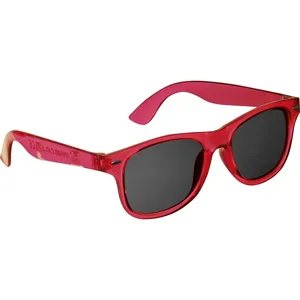
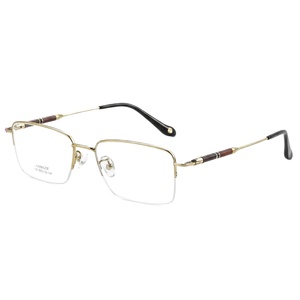
Curated catalog featuring circular RPET sports optics, customizable bio-cellulose acetate, hypoallergenic TR90, and aerospace titanium frames direct from our integrated manufacturing facilities.

Global Strategic Outlook: Sustainable Eyewear Sourcing Roadmap
An executive overview evaluating the technological shifts, chain-of-custody compliance mandates, and polymer breakthroughs shaping eyewear manufacturing across China's leading production hubs.
Material Science: Bio-Acetates & Circular Monomers
Traditional petroleum-based cellulose acetate relied heavily on phthalate diethyl plasticizers (DEP). Modern procurement mandates demand certified bio-based cellulose sourced from FSC-managed wood pulp and cotton linters, coupled with non-toxic triacetin plasticizers. Furthermore, closed-loop depolymerization now produces optical-grade RPET and post-consumer nylon filaments that mirror virgin injection tensile strength without brittleness or chromatic distortion.
Regulatory Shifts: EU CSRD & Digital Product Passports
Importers across the EU and North America now confront stringent ESG accountability frameworks. Upcoming Digital Product Passport (DPP) regulations demand granular traceability down to the granulate source. Chinese OEM/ODM suppliers must deliver validated Global Recycled Standard (GRS) transaction certificates, ISO 14067 carbon footprint disclosures, and REACH compliance to eliminate regulatory impound risks at bonded entry customs.
Supply Chain Precision: Zero-Scrap CNC & Glazing Stability
Eco-eyewear procurement is transitioning from passive catalog buying to co-engineered precision manufacturing. Subtractive tumbling techniques and 5-axis CNC machining minimize sheet scrap by up to 34%. Critical bevel profiling ensures optical rims tolerate the thermal expansion of high-index ophthalmic lenses (1.67, 1.74) without warpage, resolving common consumer returns in progressive Rx applications.
Enterprise Manufacturing Architecture: Why Leading Brands Partner With Us
Combining the craftsmanship heritage of artisanal optical finishing with enterprise-scale cleanroom injection and automated optical inspection systems.
Quiet Luxury Engineering & Logo-Free Proportions
We prioritize timeless anatomical comfort, bridge clearance, and balanced temple pressure over ephemeral, logo-heavy branding. Frames seamlessly integrate into independent boutique environments, department stores, and curated optical practices.
Integrated Optical + Sol Dual Merchandising
Our core silhouettes are simultaneously engineered as prescription optical structures and Sol sunglass platforms. This unified tooling footprint reduces retail SKU complexity while enabling high-margin cross-merchandising within identical showcase displays.
Rigorous Lab-Grade Testing & Glazing Tolerance
Every frame batch undergoes bridge endurance cycling (20,000 actuations), nickel-leach testing, salt-spray resistance (72 hours), and computerized barrel-groove verification (≤ 0.02mm variance), guaranteeing effortless in-store glazing by dispensing opticians.
Procurement & Manufacturing Technical FAQ
Authoritative answers covering compliance documentation, minimum order quantities (MOQs), mold tooling lead times, and prescription lens adaptation.