2.4M+
Annual Frame Yield
≤0.02mm
CNC Milling Precision
98.8%
Batch Glazing Pass Rate
120+
Global Export Hubs
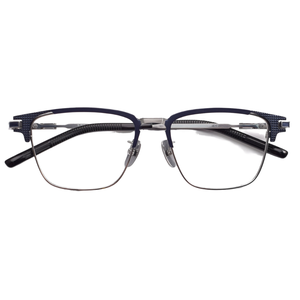
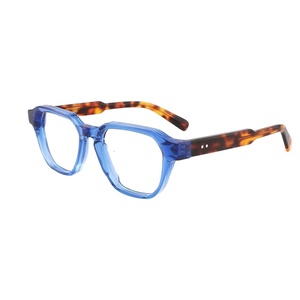
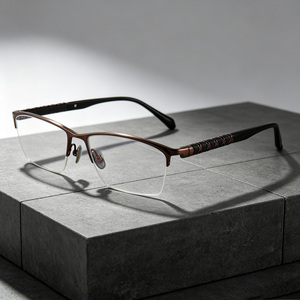
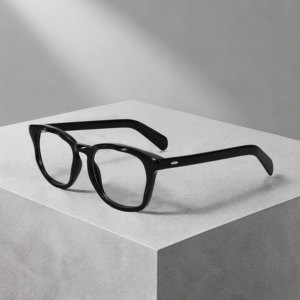
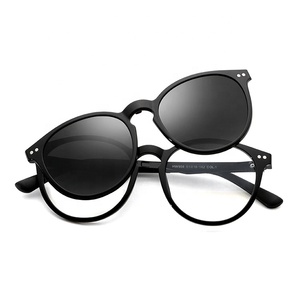
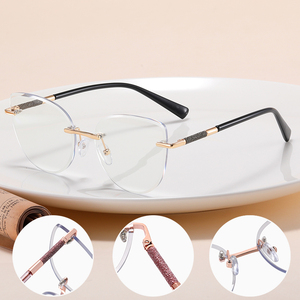
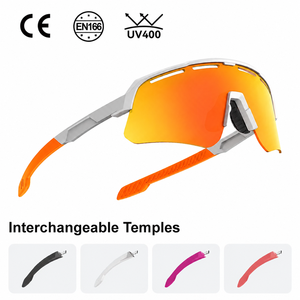
Curated Optical & Performance Assortments
Engineered for independent optical practices, luxury boutiques, and global distributors seeking flawless tolerances and cohesive merchandising.
The Structural Transformation of Chinese Eyewear Manufacturing
The global luxury optical market has evolved from reliance on superficial brand licensing to demanding verifiable structural engineering, material pedigree, and sustainable supply-chain agility. China's manufacturing clusters—spanning Shenzhen's high-end titanium and acetate labs to Wenzhou and Danyang's large-scale precision optical ecosystems—produce over 70% of the world's structural frames. However, selecting premier original equipment manufacturers (OEM) and original design manufacturers (ODM) requires an intimate understanding of metallurgical purity, mechanical tooling tolerances, and dimensional precision for lab glazing.
For independent brands, boutique retailers, and international optician networks, sustainable competitive advantage stems from sourcing frameworks that balance artistic execution with streamlined clinic dispensing. When a pair of glasses sits on a patient's face, comfort is determined by subtle engineering: bridge pantoscopic tilt, temple tension dynamics, and bevel placement within the eye wire. These factors eliminate dispensing modifications, reduce costly edge re-cuts, and protect optical brand equity.
Material Science Paradigms: Acetate, Titanium, and Polyamides
Advanced eyewear production relies on rigorous material curation to ensure dimensional stability and hypoallergenic performance:
- Cellulose Acetate vs. Standard Injected Plastics: High-end fashion eyewear relies exclusively on cured organic cellulose acetate flakes (derived from cotton linters and wood pulp). Sheets undergo multi-stage aging—often extending past 90 days—to evaporate solvent content, preventing shrinkage, bridge bowing, or stress cracking over prolonged wear. Multi-axis CNC milling cuts the blanks within hundredths of a millimeter, followed by automated and manual tumbling in seasoned wood barrels with pumice for lustrous, unlacquered finishes that allow repeated heat adjustments.
- Beta-Titanium & Pure Grade Titanium: Japanese and domestic aerospace-grade pure titanium (JIS Class 1 and 2) alongside beta-titanium alloys (Ti-15V-3Cr-3Sn-3Al) yield frames that are non-corrosive, skin-neutral, and exhibit supreme memory retention. Utilizing micro-plasma welding within argon gas chambers preserves tensile integrity without creating brittle heat-affected zones across bridges, end-pieces, and pad arms.
- TR90 & Advanced Memory Polyamides: Engineered for athletic applications and clip-on chassis, Swiss Grilamid TR90 delivers low density, high thermal stability (-30°C to +80°C), and exceptional flexural fatigue endurance, ensuring seamless clip installations without frame fatigue.
Procurement Trends Driving 2025–2030 Purchasing Decisions
Global supply networks are actively pivoting to satisfy shifting customer expectations and regulatory updates across Western markets. Procurement directors should prioritize three core manufacturing transformations:
First, Bio-Acetate & Circular Polymers: Compliance with EU REACH protocols and upcoming digital product passport initiatives has accelerated the shift toward bio-plasticizers (such as DEP-free formulations) that biodegrade under industrial composting conditions within 115 days, paired with chemically recycled PMMA and demo lenses. Brands failing to incorporate verifiable sustainable origins risk obsolescence on retail shelves.
Second, Micro-Modular Dual-Utility Architecture: As consumers seek consolidated functionality, frames combining precision blue-light filtering, prescription capacity, and magnetic polarized sun clips (engineered from aircraft-grade magnetics calibrated to resist lateral shear forces) command higher margins without bloating inventory SKUs.
Third, Prescription-First Ergonomics ("Rx-Ready" Focus): The historic divide between purely aesthetic fashion sunglasses and technical optical frames has collapsed. Forward-thinking manufacturers now design fashion sunglasses with base-curve profiles (Base 2 through Base 4.5) and edge wire internal grooving specifically dimensioned to accept heavy minus and high cylinder optical lenses without frame deformation.
Engineered Excellence: Our Manufacturing Prowess
Combining modern industrial automation with bench-crafted precision. Here is how our production facility protects your brand's international standing.
Multi-Axis CNC Machining
Tolerances held within ±0.02mm guarantee that temple screw holes, barrel hinges, and lens eyewires align smoothly, eliminating assembly stress and frame breakage.
Stress & Fatigue Validation
Every frame configuration passes 20,000-cycle bridge flexion tests, 48-hour salt-spray corrosion assessments, and spring-hinge endurance qualification before tooling sign-off.
Prescription-Engineered Rims
Lens grooves are machined with optimized V-bevel depths and standardized draft angles, ensuring optical labs worldwide can cut lenses that seat perfectly on the first cycle.
Agile Low-MOQ Tiered Scaling
We balance massive-scale volume supply with flexible pilot runs for independent collections, reducing your inventory liability while accelerating launch speed.
B2B Optical Procurement & Technical FAQ
Direct answers for purchasing directors, supply chain managers, and optical brand founders.
What specific quality control parameters are tested during manufacturing?
Our quality assurance program adheres to ISO 12870 and ANSI Z80.5 guidelines. Every production batch undergoes comprehensive mechanical testing, including temple opening/closing resistance across 25,000 cycles, sweat and sweat-vapor resistance testing, bridge deformation resistance under dynamic load, drop-ball impact safety compliance, and spectrophotometer verification of UV400 and blue-light attenuation coatings.
How do you ensure consistent color and pattern stability in custom acetate runs?
We partner directly with tier-one acetate purveyors utilizing precision color spectrophotometers to match Pantone or custom master chips. For custom lamination and tortoise patterns, we mandate continuous sheet production runs cut along verified molecular axes, mitigating grain variation and maintaining batch-to-batch consistency across seasonal production waves.
Can our optical retail network procure frames unbranded or customized under private label?
Yes. We provide complete OEM/ODM private-label capabilities, including laser core-wire marking, high-precision pad printing, inner temple hot-foil stamping, custom silicone or titanium nose pad molding, and bespoke packaging configurations. Unbranded blanks are also maintained in select SKU collections for immediate distribution and local customization.
What are your standard turnaround windows for prototypes versus volume manufacturing?
Rapid prototyping using precision 3D resin printing and 5-axis CNC acetate carving typically completes within 10 to 14 business days from CAD validation. Full-scale production cycles average 35 to 50 calendar days depending on material complexity (e.g., custom titanium tooling vs. ready-stock TR90 injection). Fast-ship SKUs from catalog inventory can dispatch within 72 hours.
Transform Your Eyewear Line with Factory-Direct Precision
Consult with our engineering and tooling team to discuss custom silhouettes, receive physical prototype line sheets, or structure bulk wholesale pricing tiers for the upcoming buying season.