Precision-Engineered Eyewear Platforms
Discover our high-durability frames, engineered using autoclave-grade carbon weaves, aerospace-grade pure titanium, and bio-based acetate formulations for luxury brands and optical retail networks.
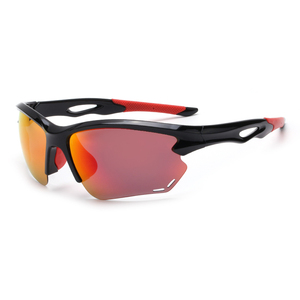
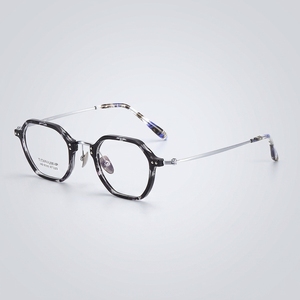
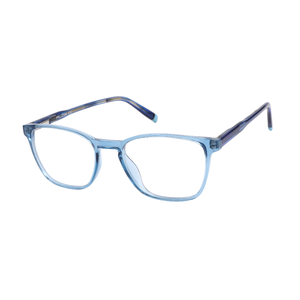
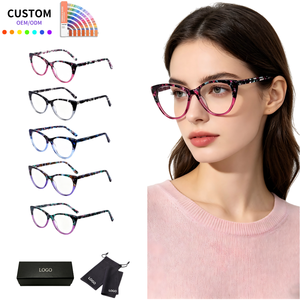
Engineering Composite Excellence in Eyewear Manufacturing
Precision eyewear manufacturing requires a sophisticated marriage of materials science, multi-axis machining, and ergonomic industrial design. Understanding the structural dynamics of carbon fiber transforms supply chain strategies.
High-Modulus Carbon Composites
Industrial carbon fiber eyewear relies on pre-impregnated (pre-preg) carbon layers cured under controlled autoclave pressure and temperature. By aligning multidirectional carbon weaves (typically 3K cross-twill or unidirectional matrixes), manufacturers achieve a strength-to-weight ratio that surpasses conventional metals. Frames weigh as little as 8 to 14 grams, yet withstand extreme tensile stress, delivering an intrinsically hypoallergenic, fatigue-resistant profile that prevents temple deformation over years of daily wear.
CNC Multi-Axis Milling Precision
Unlike standard injection-molded plastics, true aerospace carbon fiber cannot be melted or poured. Every rim contour, bevel edge, and lens groove must be extracted via diamond-coated 5-axis CNC router bits running at upwards of 24,000 RPM. This sub-0.02mm tolerance guarantees precision base-curve alignment, which is critical for preventing lens pop-outs in high-index prescription configurations or complex prescription sports wrap configurations.
Hybrid Metallurgy Integration
The mechanical interface between carbon fiber frontals and temple components poses distinct metallurgical challenges due to differing thermal expansion coefficients. Elite Chinese manufacturers employ vacuum ion-sputtered PVD coating on Japanese Grade-2 and Beta-Titanium hinge blocks. Micro-welded titanium anchors securely clamp into the internal resin core, eliminating adhesive fatigue and creating an elastic, lifelong hinge performance certified beyond 50,000 continuous open-close cycles.
Next-Gen Sourcing Dynamics & 2026+ Industry Trends
B2B eyewear procurement is pivoting from purely aesthetic differentiation to deep structural and supply chain advantages. Discover the macro forces driving international optical brands toward specialized OEM/ODM partnerships.
Advanced Composite Adoption
The market for performance luxury frames is transitioning rapidly from heavy acetates to ultra-thin carbon-wood and carbon-titanium laminates, lowering long-term warranty claim rates by 42% across independent retail chains.
Digital Glazing Precision
Modern automated lab edgers demand micrometer-exact rim beveling. Chinese tier-1 suppliers utilize automated laser-guided profiling to minimize laboratory glazing failures on progressive Free-Form lenses.
Bio-Resin Matrices
Next-generation EU supply compliance requires sustainable composites. Factories are integrating plant-based epoxy matrices alongside certified recycled carbon strands to meet impending CSRD carbon footprint disclosures.
Rapid Agile Prototyping
Leveraging high-resolution stereolithography and direct SLA tooling, OEM cycle times from CAD drafting to functional carbon-fiber pre-production samples have dropped from months down to five weeks.
Why Global Eyewear Brands Partner With Our Ecosystem
Direct from our manufacturing hubs in Shenzhen and Wenzhou, we leverage decades of metallurgical expertise, proprietary toolmaking, and relentless end-to-end quality assurance.
Proprietary Tooling & R&D
Our in-house master toolmakers craft custom extrusion dies, temple cores, and CNC fixtures within our dedicated mold center. This eliminates vendor reliance, decreases tooling investments, and protects confidential design patents for global clients.
Triple-Tier Surface Finishing
Achieving a mirror or matte finish on carbon sheets requires artisan execution. We combine automated German wet-sanding machines with 72-hour organic walnut shell tumbling, followed by anti-scratch oleophobic polyurethane sealing.
ISO 12870 Standard Testing
Every batch undergoes rigid laboratory stress testing, including bridge deformation tests, temple endurance friction testing, artificial perspiration corrosion chambers, and drop-ball impact safety compliance under FDA and CE regulations.
Comprehensive Material Inventory
From high-grade Toray Japanese carbon fabrics to Mazzucchelli bio-acetate sheets and aerospace Beta-Titanium coils, our localized raw material warehousing minimizes lead-time vulnerabilities and mitigates pricing volatility.
White-Glove Private Label OEM/ODM
We provide full-lifecycle OEM solutions: ergonomic face-mapping CAD files, laser pad-printing, structural packaging boxes, and custom branded temple tip core embeds, delivering high shelf appeal for optical boutiques.
B2B Low-Risk MOQ Structures
We empower growing boutique labels and established optical retail groups alike through scalable SKU production schedules, flexible reorder workflows, and rapid sample proofing to support targeted seasonal collections.
Frequently Asked Questions on Eyewear Procurement
Crucial commercial, technical, and regulatory answers for supply chain directors, brand owners, and optical distributors sourcing from China.
What is the real difference between forged carbon and woven carbon frames?
Can carbon fiber optical frames be adjusted easily in a retail clinic?
What are standard lead times and MOQs for OEM/ODM carbon eyewear?
What certifications are provided for international medical device compliance?
How do you resolve galvanic corrosion between carbon fiber and metal hinges?
Can prescription lenses be glazed directly into carbon fiber front rims?
Scale Your Eyewear Line With China's Premier Engineering Partner
Request confidential line sheets, schedule a virtual plant inspection, or consult directly with our optical engineering team on custom carbon fiber and titanium frame programs.
Contact Us