Acetate Block
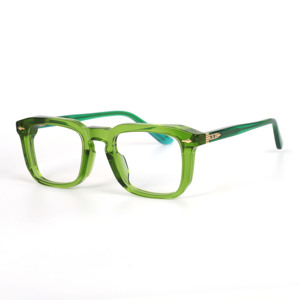
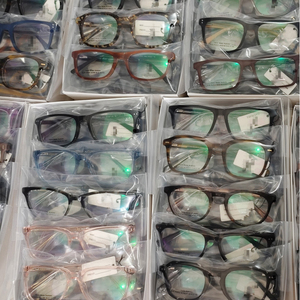
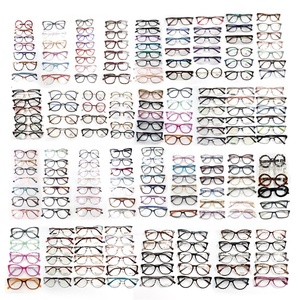
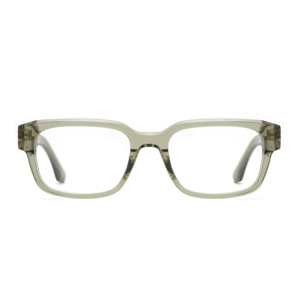
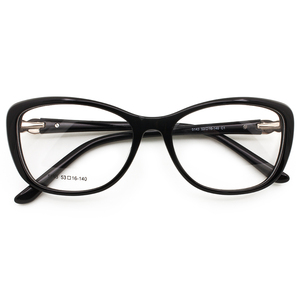
Precision-machined spectacles crafted for independent opticians, national chains, and high-margin boutique private labels. Every reference features balanced weight distribution, standardized lens groove bevels, and verified material biocompatibility.
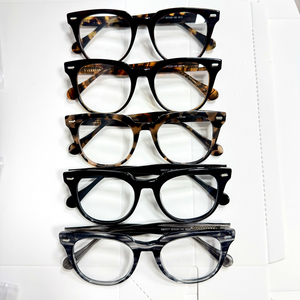
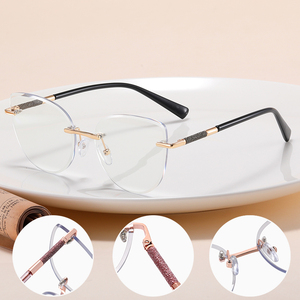
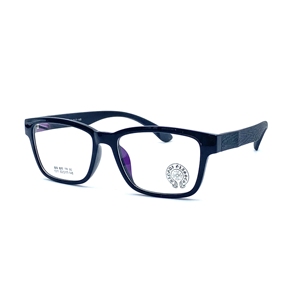
Strategic guidance for optical procurement directors, optical lab networks, and brand owners managing cross-border regulatory compliance and production engineering.
In the contemporary B2B optical supply chain, securing an authentic CE Certificate is no longer an administrative formality; it represents stringent compliance under the European Medical Device Regulation (EU MDR 2017/745) for Class I non-sterile medical devices. Optical spectacle frames directly interact with human dermis over prolonged durations, necessitating absolute adherence to EN ISO 12870:2018 standards. These mandates enforce precise tolerances covering biocompatibility, thermal stability, resistance to perspiration, and mechanical endurance.
Procurement teams sourcing non-certified frames face severe operational exposure, including customs seizures by EU authorities (RAPEX notifications), compulsory recalls, and retail distributor liability. A specialized OEM/ODM factory integrates documented technical files (TF), Declaration of Conformity (DoC), verified ISO 10993 cytotoxicity testing, and zero-nickel leaching validation under EN 16128 throughout raw material extrusion down to the electroplated surface finish.
Global optical retail data demonstrates a structural shift away from petroleum-based fossil acetates toward bio-circular materials. As corporate ESG targets transform from consumer marketing concepts into non-negotiable retail procurement KPIs, our factory floor leads this transition through verified sustainable manufacturing lines:
The manufacturing threshold distinguishing tier-one export facilities lies in the harmonious synthesis of automated 5-axis computer numerical control (CNC) milling and generational bench handcraftsmanship. While CNC roughing guarantees absolute consistency in base-curve curvatures and lens bevel groove angles (strictly mitigating laboratory lens pop-out and stress cracking), manual wet tumbling across multiple stages utilizing Japanese birch chips and pumice paste generates an unmatched, tactile luster. Modern supply chains require dynamic batch sizes with optimized tooling speeds, allowing retail brands to commercialize trending silhouettes without incurring excessive tooling amortization costs.
Why leading retail optical chains, regional ophthalmic distributors, and progressive designer labels entrust their production pipeline to our specialized manufacturing facilities.
Every batch leaves our clean packaging bays accompanied by verified batch tracking, DoC declarations, and localized compliance documentation, expediting European and North American customs clearance without regulatory friction.
Designed with standard 0.6mm lens groove depths and standardized 4-base to 6-base bevel curves, ensuring seamless edging, automated blocking, and rapid glazing execution across standard CR-39, Polycarbonate, and high-index 1.74 lenses.
Turn sketches and 2D vector concepts into full 3D CAD engineering drawings within 48 hours. Rapid resin 3D prototyping lets optical buyers physically assess facial ergonomics, nose pad placement, and pantoscopic tilt before steel tooling.
We eliminate retail balance sheet liability by pairing low-barrier minimum order configurations with rapid fulfillment on core catalog running SKUs, safeguarding your boutique against stockouts during seasonal surges.
By bypassing third-party trading intermediaries, importers achieve up to 35% margin savings, reinvesting capital into omni-channel retail distribution, premium packaging collateral, and customer acquisition marketing.
Our hand-finishing process involves 72 continuous hours of barrel tumbling followed by meticulous master-polisher treatment, creating mirror-like temple facets, butter-smooth end pieces, and whisper-soft skin contact zones.
Direct answers to technical queries raised by optical lab managers, compliance officers, and retail buyers.
We supply complete Technical Files including Class I Medical Device Declaration of Conformity (DoC), EN ISO 12870 mechanical fatigue and sweat resistance test reports, and raw material nickel-release certifications compliant with REACH Annex XVII regulations.
Yes. Every optical chassis is engineered with an optimal B-dimension (minimum 32mm vertical lens height for progressive channel clearance) and reinforced acetate rim wall thickness designed to conceal heavy lens edges on high-minus prescriptions without bowing the front frame curve.
For custom private label OEM projects requiring tailored acetate laminations or proprietary laser branding, our standard MOQ begins at 300 pieces per model (divided across 2-3 colorways). For our ready-stock wholesale catalog silhouettes, we facilitate trial orders starting as low as 50 pieces.
We deploy high-precision barrel hinges anchored directly into the acetate matrix using ultrasonic heat-staking or genuine cold-rivet pinning through custom inner core wires. Every production batch undergoes torque tension testing and 20,000-cycle temple oscillation checks to guarantee enduring structural memory.
Initiate direct communication with our optical engineering team. Request full engineering line sheets, dimensional CAD files, material test records, and comprehensive volume wholesale pricing.