Export Catalog
Curated CE Compliant Eyewear Collections
Laboratory-grade acetate, ultra-lightweight titanium, and surgical TR90 spectacle frames engineered for retail optometry chains, prescription glazing centers, and independent optical brands.
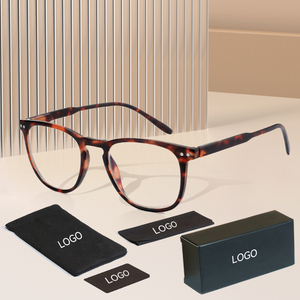

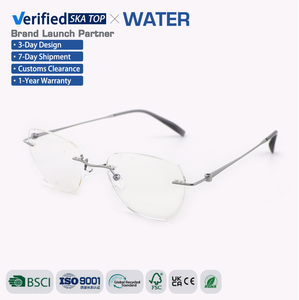
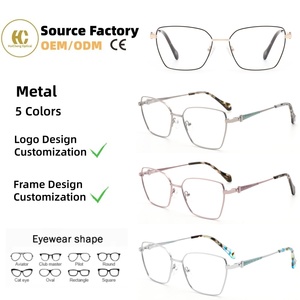
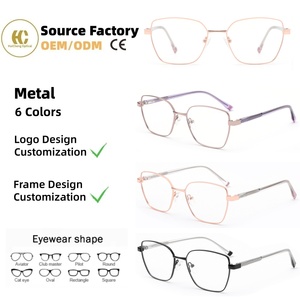
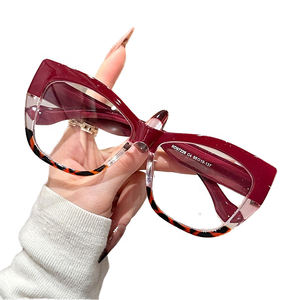
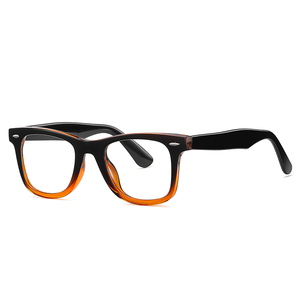
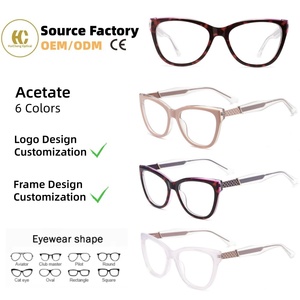
Manufacturing Capability
Engineering Excellence & Audited Quality Control
Precision manufacturing infrastructure operating under EN ISO 12870 quality management protocols.
100%
CE / MDR Audited
Strict Class I spectacle frame compliance
< 0.2%
Glazing Defect Rate
Optimized bevel and groove tolerance
25,000+
Hinge Cycles Tested
Spring and barrel fatigue durability
50+
Countries Supplied
Direct export to Europe, Americas, APAC
The Engineering Benchmark of CE Certified Optical Spectacle Frames
Navigating the global ophthalmic procurement landscape requires strict technical rigor. Spectacle frames exported to the European Economic Area (EEA) and sophisticated healthcare markets are classified under Regulation (EU) 2017/745 (MDR) as Class I non-invasive medical devices. Achieving verified compliance demands rigorous implementation of harmonized international standard EN ISO 12870 (Ophthalmic optics — Spectacle frames — Requirements and test methods).
As an OEM/ODM manufacturing partner, our plant executes mechanical, chemical, and ergonomic testing protocols across every extrusion, milling, and assembly phase. Optical dispensary chains and private-label distributors risk substantial border detentions and brand equity degradation when purchasing non-compliant frames. Our factory processes guarantee compliance across foundational vectors:
Nickel Release Safety
Every metallic component, including base monel, beta-titanium, and nose-pad arms, satisfies EN 16128 standards. Post-polishing physical vapor deposition (PVD) coatings barrier tests ensure zero hazardous electrolytic reactions when resting against sensitive human skin.
Bridge & Hinge Fatigue
Endurance testing machines cycle mechanical spring hinges through 25,000 continuous opening-and-closing sequences under controlled lateral tension. Bridge deformation tests verify retention of original PD (pupillary distance) geometry under standard load stress.
Thermal Stability
Acetate cellulose, TR90 memory polymers, and nylon components undergo 60°C dry heat incubation for 24 hours to prevent post-glazing frame warping, lens popping, or shrinking under regional ambient climate fluctuations.
Prescription Glazing Precision: Eliminating In-Lab Edging Bottlenecks
The primary point of failure for retail eyewear businesses is optical laboratory rejection during lens glazing. Ill-fitting bevel grooves, inconsistent eye-wire rim curvature, and asymmetrical face-form angles force optical labs to re-cut expensive high-index or freeform progressive lenses. Our factory utilizes multi-axis CNC milling tools capable of ±0.05mm tolerance limits, ensuring accurate eye-size (A/B dimensions), bridge widths (DBL), and base curves (BC 4.00, 4.50, and 6.00). This precision guarantees seamless seating for prescription lenses ranging from -10.00D to +6.00D.
Request Certified Compliance Documentation & OEM Master Catalog
Access comprehensive Declarations of Conformity (DoC), FDA 510(k) registrations, ISO 13485 test dossiers, and physical prototype inspection kits for your procurement review.
Contact Us
Market Intelligence
Future Trends in Global Optical Frame Sourcing (2025–2030)
Critical structural shifts driving margin viability, consumer retention, and regulatory accountability in B2B optical buying.
Bio-Based & Circular Acetates
Stringent European CSRD directives are shifting procurement away from traditional petro-chemical diethyl phthalate (DEP) plasticizers toward certified bio-acetate derived from sustainably managed wood pulp and cotton linters (biodegradable under ISO 14855 standards).
Agile Inventory & Hybrid Ordering
Wholesalers are avoiding bloated, dead-stock capital exposure by opting for flexible Tier-1 suppliers offering low minimum order quantities (MOQs) on core acetate & titanium silhouettes combined with rapid turnaround private-label laser-etching.
Ergonomic Universal Fitting
Diverse demographic representation has elevated global demand for universal bridge depths, multi-tiered nose pad ergonomics, and lightweight titanium structures that avoid pinching on shallower nasal profiles or high cheekbones.
Integrated Smart Ophthalmic Formats
The boundary between consumer electronics and optical correction is narrowing. Frame factories are increasingly engineering temple cavity recesses to house low-profile bone conduction and micro-circuit audio modules without sacrificing frame re-alignability.
Factory Advantage: Integrated Industrial Precision from Block to Finish
Operating as a primary manufacturer rather than a trading intermediary, our engineering team controls every node of frame fabrication. Our lean manufacturing lines bridge artistic styling with strict optometric physics, allowing boutique brands and enterprise retail chains to maintain exceptional gross margins.
Material Aging & Curing Cellars
Cellulose acetate sheets undergo a 90-day temperature-controlled curing sequence prior to cutting. This internal step eliminates latent material tension, preventing the spontaneous frame twisting and shrinking common in fast-manufactured eyewear.
Diamond Drum Tumble Polishing
All cut frames undergo a 5-day continuous abrasive barreling routine using untreated beechwood peg chips, walnut pumice, and plant waxes. This process achieves rich gloss levels and eliminates sharp mold flash on bridge and temple contacts.
Full OEM/ODM Engineering Suite
From 2D technical drawings and 3D CAD modeling to resin prototyping within 72 hours, we assist brand developers in prototyping bespoke hinge architecture, temple core inlays, and customized nose pad hardware.
B2B Purchasing Guide
Frequently Asked Procurement Questions
Essential guidance addressing technical specifications, regulatory filings, and custom manufacturing contracts.
What technical documentation is included with CE-certified frame shipments?
Every export consignment destined for the European Union is backed by an authorized EU Declaration of Conformity (DoC), technical construction files adhering to MDR 2017/745 Class I medical device regulations, batch-specific nickel release laboratory test certificates (EN 16128), and full compliance reports for EN ISO 12870. Complete documentation packets are provided electronically prior to dispatch to ensure smooth customs clearance.
How do you ensure frame bevels accommodate various prescription lens indices?
Our eye-wire grooves are cut using diamond CNC tooling set to an industry-standard 110-degree bevel profile with standardized depth tolerances of 0.6mm (+/- 0.05mm). This geometry allows optical laboratories to glaze thin CR-39 single-vision lenses, high-index 1.67/1.74 progressive lenses, and high-impact polycarbonate lenses securely without requiring manual groove manipulation.
What are the standard Minimum Order Quantities (MOQ) for custom private-label runs?
For custom OEM production involving dedicated acetates or unique metal tooling, our baseline MOQ begins at 300 pieces per model (divided across 2 to 3 color variations). For off-the-shelf inventory models requiring customized laser logo etching, pad printing, and private packaging, MOQs start at 50 to 100 units per style to accommodate growing retail brands.
Can demo lenses be replaced with polarized, tinted, or specialty filter lenses?
Yes. While our optical frames ship standard with optical-grade 1.50 index clear demo lenses featuring custom silk-screen brand printing, our assembly line can configure frames with Cat. 3 UV400 sunglasses lenses, photochromic polarized lenses, or certified AR-coated blue-light blocking lenses to create cohesive dual-purpose retail collections.
What testing regimens are applied to prevent premature hinge failures?
We integrate OBE (Germany) and Visottica-Comotec (Italy) hinges, along with high-precision proprietary alternatives. Before mass assembly, randomly sampled hinges undergo cyclic durability testing up to 25,000 cycles, accompanied by salt-spray corrosion resistance tests (ISO 9227) for 48 hours to confirm structural integrity against sweat, humidity, and daily operational torque.
Start Your Custom Production or Inquire for Bulk Optical Wholesale
Connect with our technical account managers to evaluate material swatch books, frame samples, factory pricing schedules, and custom packaging options.
Contact Us