Pure Titanium + Acetate
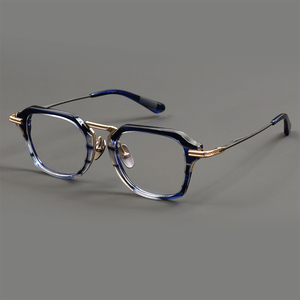
Explore our export-grade, CE-compliant collections. Built with CNC-machined cellulose acetate, aerospace-grade titanium, and circular eco-resins engineered for boutique retailers and volume distributors.
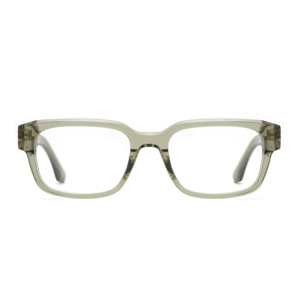
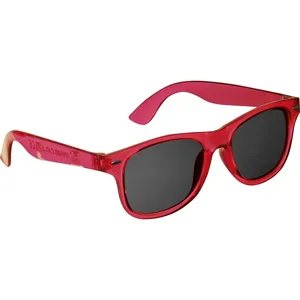
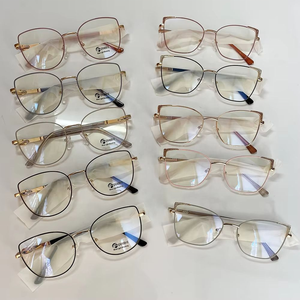

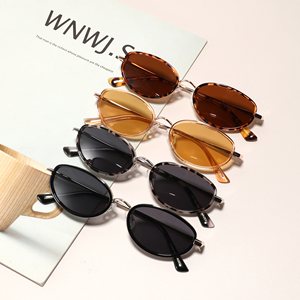
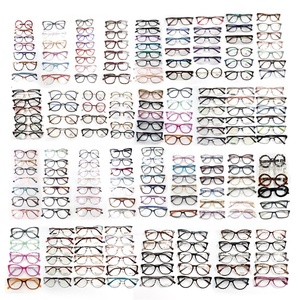
A technical guide for global procurement officers, category directors, and enterprise retail chains requiring uncompromised compliance in European and transatlantic markets.
For professional optical buyers, securing compliant inventory is far more than matching aesthetic benchmarks; it requires verifiable adherence to strict medical device and consumer safety regulations. Within the European Economic Area (EEA), prescription optical frames are officially classified under Medical Device Regulation (EU) 2017/745 (MDR) as Class I Medical Devices. In contrast, sunglasses fall under the stringent Personal Protective Equipment (PPE) Regulation (EU) 2016/425. Sourcing from a verified manufacturer guarantees that every production batch possesses comprehensive technical documentation, an authenticated Declaration of Conformity (DoC), and full batch traceability.
Our manufacturing facilities operate with automated quality control stations executing physical, metallurgical, and chemical tests. Every optical frame model meets or exceeds EN ISO 12870:2018 (Ophthalmic optics — Spectacle frames — Requirements and test methods), while our sunglass collections comply rigorously with EN ISO 12312-1:2022 for solar radiation attenuation, luminous transmittance, and broad-spectrum UV400 photoprotection.
| Testing Vector | Governing Standard | Industrial Threshold | Factory Verification Standard |
|---|---|---|---|
| Nickel Release (Skin Contact) | EN 16128:2015 / EN 1811 | < 0.5 μg/cm²/week limit | 0.00 μg/cm²/week (Ion-plating PVD barrier / Bio-compatible grade) |
| Mechanical Endurance & Hinge Fatigue | EN ISO 12870 Sec. 4.8 | 500 operational cycles | 1,500 continuous open-close cycles without angular deviation |
| Dimensional Stability to Heat | ISO 12870 Sec. 4.6 | ±5mm bridge deflection @ 60°C | ±1.2mm maximum tolerance post 120-minute thermal chamber cycle |
| Cytotoxicity & Biocompatibility | ISO 10993-5 / ISO 10993-10 | Zero dermal irritation score | Fully certified allergen-free Italian/Mazzucchelli bio-acetate blocks |
| Solar Lens Transmittance & UV Filter | ISO 12312-1 / ANSI Z80.3 | Category 0–4 UV absorption | Spectrophotometer verified UV400 (100% UVA/UVB blocked ≤ 400nm) |
Combining time-honored artisanal handcrafting with multi-axis CNC micro-machining to secure repeatable precision for OEM/ODM brand partners.
Cellulose acetate sheets undergo a controlled 90-day aging and drying chamber process. This prevents volatile plasticizer evaporation, eliminating post-sale frame shrinkage, twisting, or rim expansion during lens edging.
Our 5-axis robotic carving platforms execute lens grooves with ±0.05mm precision. This ensures clean insertion for high-index, anti-fatigue, and progressive prescription lenses without edge stress or delamination.
We deploy cold-forged 3-barrel, 5-barrel, and precision spring hinge systems anchored by Teflon-coated safety lock screws. Screws resist loosening under vibration and daily usage cycles.
By integrating raw material compounding, tooling fabrication, electroplating, and direct fulfillment under one manufacturing umbrella, we offer competitive B2B margins with low minimum commitments.
Our facilities are accredited under the Global Recycled Standard (GRS). We produce certified RPET optical lines and bio-degradable acetate products to meet strict EU Corporate Sustainability Due Diligence mandates.
Complete private-label solutions: high-definition laser temple branding, pad printing, custom nose-pad hardware, and sustainable retail packaging crafted to international boutique specifications.
A strategic overview of upcoming shifts in consumer demographics, supply chain traceability laws, and advanced materials shaping the next generation of wholesale procurement.
The European Union's Ecodesign for Sustainable Products Regulation (ESPR) will soon mandate Digital Product Passports for fashion accessories. Brands must track raw material origin, carbon footprint, and recyclability. Our factories embed supply chain visibility into each shipment with batch-level certificates of origin.
Consumer preferences continue to shift away from loud logocentric patterns toward architectural silhouettes, bespoke horn-mimicking acetates, and refined beveling. Optical retailers report higher sell-through rates on minimalist frames that emphasize ergonomic fit and premium tactile balance.
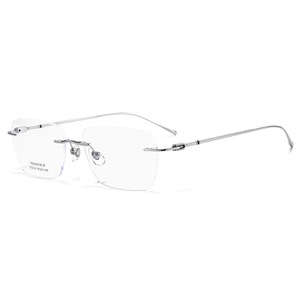
Rising demand for extended screen-time comfort is accelerating orders for rimless and ultra-thin Japanese Beta-titanium structures. Weighing under 8 grams, these hypoallergenic designs yield superior elastic memory, flex endurance, and comfort across all face profiles.
Clear, direct answers regarding testing verifications, MOQ structures, sample turnarounds, and custom tooling parameters for commercial buyers.