High-Yield Handcrafted Optical & Solar Solutions
Each optical architecture is engineered with micro-tolerances for seamless prescription glazing, five-axis CNC rim profiling, and high-purity metallurgical finishes that exceed international optical lab benchmarks.
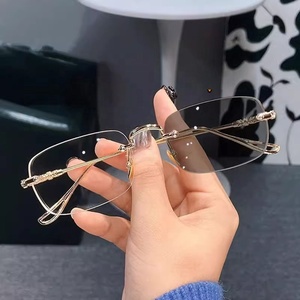
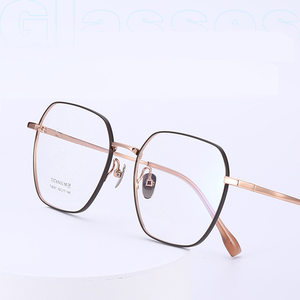
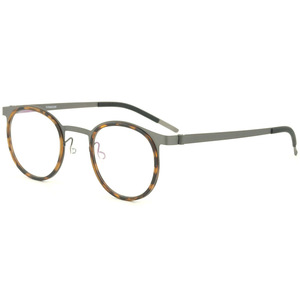

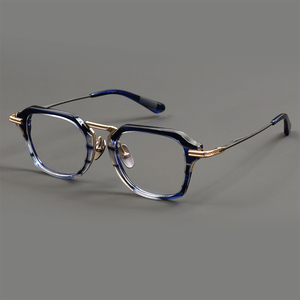
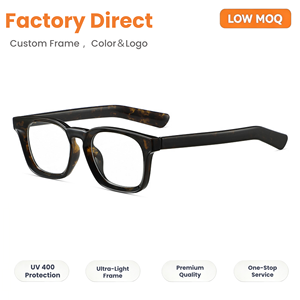
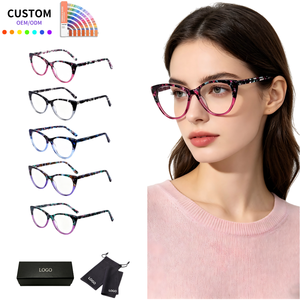
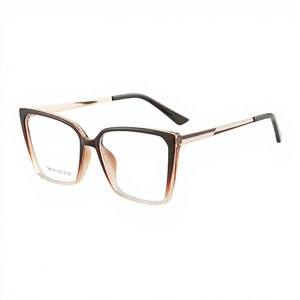
Quiet Luxury Architectural Philosophy Meets Clinical Accuracy
In the high-end optical dispensary environment, patient retention hinges on touchpoint tactile feedback, bridge equilibrium, and optical lab glazing reliability. We operate at the intersection of artisanal handcrafted heritage and stringent European Medical Device Regulation (MDR 2017/745) compliance.
Artisanal Acetate Curation
We source cellulose acetate derived exclusively from non-petroleum organic cotton linters and wood pulp. Slabs undergo 90-day post-curing and thermal chamber stabilization to purge residual solvents, preventing post-sale frame warpage and temple shrinkage.
Biocompatible Metallurgy
All metallic spectacles deploy surgical-grade Beta-Titanium (Ti-15V-3Cr-3Sn-3Al) or pure Grade 2 Titanium. Fully nickel-free in accordance with EN 16128 standards (<0.5 μg/cm²/week release rate), preventing skin sensitization during continuous dermic contact.
Prescription Glazing Ergonomics
Frames feature CNC-machined V-grooves cut at an exact 115° apex to match automated lens edgers (Essilor, Nidek, Santinelli). Base curves are engineered between 2.0 and 4.5 curve, preventing front-rim expansion or unintended toric lens aberrations.
Quiet Luxury Merchandising
Mirroring the Temple Eyewear philosophy of "presence, without announcement," we eliminate ostentatious exterior logos. Silhouettes speak through architectural chamfering, internal engraved core wires, and matched optical-sun "Sol" pairs for high boutique shelf turnover.
Macro Trends Transforming Global Optical Frame Procurement
Optical buyers, corporate retail groups, and international brand directors face sweeping geopolitical, regulatory, and sustainability shifts. Aligning with an agile, technically compliant manufacturing exporter is the baseline for margin stability.
1. EU MDR Regulatory Tightening
The European Union Medical Device Regulation (MDR 2017/745) enforces Class I compliance for corrective spectacle frames. Importers are legally liable for technical documentation, biocompatibility certifications, and UDI (Unique Device Identification) traceability. Low-tier non-compliant manufacturers are being systematically excluded from European optical chains.
2. Rise of "Optical + Sol" Merchandising
Progressive dispensaries are reducing display complexity by ordering unified frame profiles offered simultaneously in transparent ophthalmic demo lenses and calibrated sun tints. This dual-purpose strategy boosts inventory efficiency by 38%, allowing opticians to cross-sell prescription sunglasses on identical bridge geometry.
3. Zero-Stock Just-in-Time Private Labeling
Independent optical chains are shifting from rigid multi-thousand-piece MOQs toward flexible SKU drops. Modern procurement contracts prioritize OEM manufacturers capable of offering 100-300 piece production runs with custom pad printing, inner temple hot-stamping, and laser-engraved serialized numbering.
4. Certified Circular & Bio-Based Chemistry
B2B institutional buyers are demanding verification for eco-acetates containing bio-based carbon content greater than 67% according to ASTM D6866 standards. Frame packaging is also moving toward recycled RPET microfibers and FSC-certified collapsible storage, satisfying strict corporate ESG tenders.
Next-Generation Spectacle Frame Structural Dynamics
How cutting-edge industrial design, metallurgical advancements, and ergonomics are redefining ophthalmic frame durability and optician-level micro-adjustability.
Screwless & Frictionless Hinge Systems
Traditional barrel hinges rely on micro-screws vulnerable to thread loosening and backing out over repeated cycles. Modern R&D utilizes cold-forged interlock joints and helical wire tension mechanisms that completely eliminate screw maintenance while maintaining consistent dampening feel.
Anatomical Pantoscopic Optimization
Optical lens performance degrades when frames deliver improper vertex distance or pantoscopic tilt (ideal 8°–12°). We engineer sculpted bridge profiles and 3D stepped acetate nose-pads that accommodate anatomical variance (Asian-fit vs. Global-fit) without requiring awkward mechanical bending.
Dual-Material Hybrid Co-Molding
Pioneering the bond between ultra-resilient Grilamid TR90/ultem and high-density Mazzucchelli acetate fronts. By anchoring interior titanium skeletal wires, opticians retain cold-bend adjustability at the temple ends while capitalizing on ultra-lightweight chassis performance.
PVD Physical Vapor Deposition Finish
Traditional wet electroplating is susceptible to sweat degradation, flaking, and abrasion. We integrate vacuum-chamber Ion Plating (IP) to deposit titanium nitride and ceramic carbide thin-films (>0.8 μm thickness), resisting harsh cosmetic oils and salt spray tests exceeding 96 hours.
| Evaluation Parameter | Standard Commercial Frames | Our CE Certified Handcrafted Eyewear | Clinical / Commercial Impact |
|---|---|---|---|
| Frame Front Material | Recycled regrind scrap plastic / Low-grade alloy | 100% Virgin Block Cellulose Acetate / Gr5 Ti | Zero warping, high dimensional stability during edging, rich chromatic depth. |
| Surface Polishing | 12-hour automated chemical vapor dip | 120-hour multi-stage organic barrel + hand wheel | Deep, permanent tactile luster resistant to chalking, sweat erosion, and dulling. |
| Hinge Construction | Stamped sheet metal with standard zinc screws | CNC wire-cut 5/7-barrel German/OBE hinges | Smooth opening torque, self-locking thread coats prevent temple collapse. |
| Glazing Groove Apex | Inconsistent 90°–130° stamped bevel | Milled 115° precision V-groove (±0.05mm) | Zero star-burst stress fractures in high-index (1.67 / 1.74) prescription lenses. |
| Regulatory Compliance | Self-declared unverified stamp | EN ISO 12870, CE MDR 2017/745 Class I, REACH | Frictionless customs entry, optician insurance eligibility, and zero consumer recalls. |
Frequently Asked Questions for Wholesale & OEM Sourcing
Detailed technical, regulatory, and logistics intelligence for professional optical frame buyers, retail lab managers, and private label brand founders.
What documentation certifies your frames for the European Union (CE) under MDR 2017/745?
Every manufacturing consignment is accompanied by an authenticated European Medical Device Regulation Declaration of Conformity. We maintain full Technical Documentation Files (TDF) containing raw material biocompatibility dossiers (ISO 10993-5 cytotoxicity and ISO 10993-10 irritation testing), dimensional tolerance reports under EN ISO 12870, and third-party lab verification for nickel release thresholds below 0.5 μg/cm²/week in compliance with REACH Annex XVII.
Are your optical frames engineered for complex prescription (Rx) glazing?
Yes. Our frames are specifically engineered for clinical laboratory processing. Rims maintain calibrated base curves between 2.5 and 4.0, eliminating front flexure when mounting high-minus or high-cylinder toric lenses. Lens retention grooves are CNC-milled with standard 115-degree angles to securely lock single-vision, progressive, and occupational lenses without rim-stretch or lens slippage during thermal climate shifts.
What are your Minimum Order Quantities (MOQs) for OEM custom branding and ODM catalog lines?
For in-stock catalog silhouettes—including our pure titanium, vintage acetate, and TR90 selections—our MOQ begins at just 50 pieces per model (assorted colors allowed), ideal for boutique testing. For full OEM customized manufacturing (bespoke shape tooling, custom laminated acetate laminations, and unique hinge engineering), our standard MOQ is 300 pieces per model, distributed across 2 to 3 exclusive colorways.
How do you guarantee color consistency and dimensional stability across repeat acetate batches?
We source block acetate directly from premium suppliers such as Mazzucchelli 1849 and top-tier cellulosic producers. Prior to CNC cutting, raw acetate slabs undergo a controlled 90-day aging process followed by a 72-hour thermal oven curing cycle at 45°C. This relieves internal molecular stresses, reducing shrinkage to less than 0.2% and ensuring that reorders fit identical lens patterns cut years prior.
Can you provide custom temple core designs, packaging suites, and private labeling?
Yes. We offer turnkey private labeling capabilities. Customization vectors include decorative micro-cast temple wire cores, high-precision laser lens engraving, inner-temple foil stamping (metallic gold, silver, or pantone tint), custom ergonomically contoured nose pads, and complete packaging ecosystems (leatherette clamshell cases, microfiber cloths with non-abrasive printing, and barcode retail packaging).
What is your lead time from rapid prototyping to mass optical export dispatch?
Rapid functional prototypes (CNC-machined physical acetate samples or 3D wax castings) are delivered within 10 to 14 working days. Upon physical prototype sign-off, mass production lead times span 45 to 65 days depending on the complexity of hand-polishing and electroplating cycles. Expedited dispatch is supported via air express (DHL/FedEx/UPS) or consolidated sea freight with full DDP customs clearance support.
Architect Your High-Margin Eyewear Collection Today
Initiate direct consultation with our optical engineering team. Receive comprehensive line sheets, wholesale price schedules, CE MDR compliance dossiers, and physical sample boxes tailored to your brand's market position.