0%

Lightweight optical frames are designed to feel less noticeable during long hours of wear. Their appeal is easy to picture: a slim frame resting lightly on the nose during a work call, or staying comfortable through a full day of reading. But low weight alone does not guarantee a good fit. Frame shape, bridge design, temple pressure, and lens choice all affect how glasses feel.

Eyewear historian and curator Neil Handley brings useful context to how frames are designed and worn. The following is an editorial paraphrase, not a verbatim quotation: “Everyday comfort depends on balance and fit, not weight alone.” That distinction matters. A very light frame can still slip, pinch behind the ears, or feel unstable if its shape does not suit the wearer. Small details count.

Materials often include titanium, stainless steel, and selected plastics, though construction varies by brand and model. Ask an optician to assess the fit, check the manufacturer’s material and weight specifications, and try the frames with your prescription lenses when possible. Lens thickness and size can change the finished glasses’ feel. There is no single best frame for everyone. Faces, prescriptions, and daily routines differ—and product descriptions do not always tell the whole story.

This guide explains what lightweight optical frames are, how common materials compare, and what to consider before choosing a pair. Comfort is personal. A careful fitting helps.
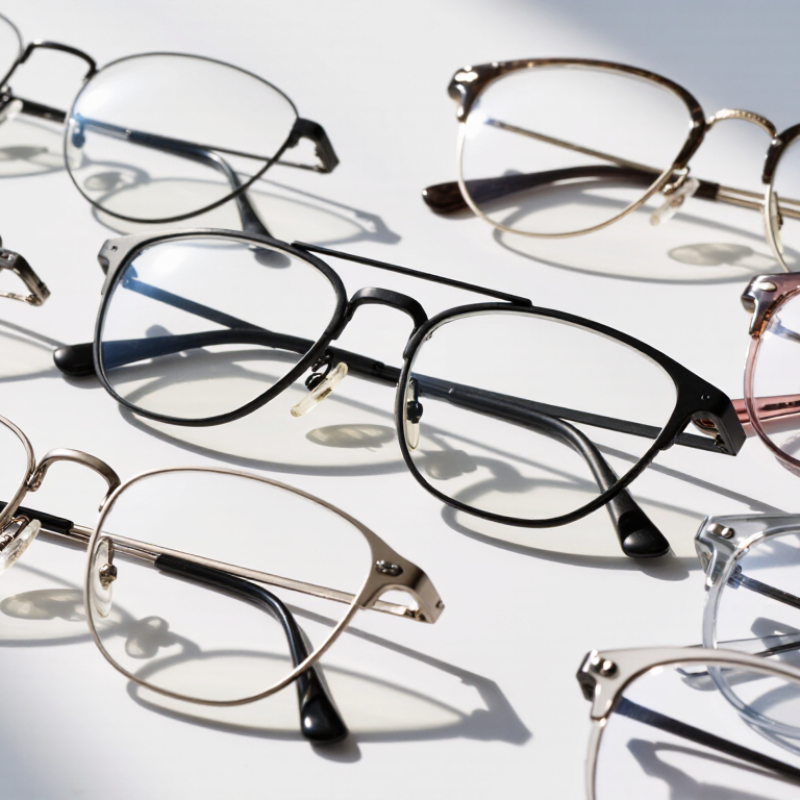
What Are Lightweight Optical Frames?

What Lightweight Optical Frames Are

Lightweight optical frames are eyeglass frames designed to feel less noticeable during everyday wear. Their low weight may come from slim rims, compact shapes, or materials such as titanium and selected plastics. The material alone does not determine comfort. Fit matters more.

A wide frame can still feel heavy, while a narrow one may press against your temples if it sits poorly. Check the bridge and nose pads: they should stay in place without pinching or sliding. Red marks after a short reading session may signal that the frame needs adjustment. Lens thickness also affects the finished pair’s weight, especially with stronger prescriptions. Lightweight does not mean weightless, and a low number on a scale cannot tell you how a frame will feel on your face. It is easy to focus too much on the frame itself; the lenses and fit matter, too.

Tips: Try frames on for several minutes and look down, then turn your head. Notice pressure behind your ears. If anything pinches, ask an optical professional about fit adjustments before deciding.

Materials Used in Lightweight Optical Frames

What Are Lightweight Optical Frames?
Materials Used in Lightweight Optical Frames

Lightweight optical frames use materials that reduce pressure on the nose and ears without sacrificing useful strength. Titanium is a common choice because it is light, corrosion-resistant, and generally durable. Some frames use beta titanium, which can offer more flexibility than standard titanium. That flexibility may help during everyday wear, but it does not make a frame indestructible.

Stainless steel can also form slim, relatively light frames. Its strength allows for narrow parts, though the finished weight depends on frame size, hinges, and other components. Plastic options include nylon-based materials such as TR-90, valued for their low weight and flexibility. Acetate can feel comfortable and comes in varied colors, but thicker acetate designs may weigh more. Details matter. A tiny hinge can add weight, while well-shaped temple tips can improve comfort.

Material alone does not determine how light glasses feel. Lens thickness, frame fit, and how weight sits across the bridge all play a part. In a fitting, notice whether the temples press behind your ears after several minutes, not just whether the frames feel light in your hand. I may be oversimplifying: two frames made from the same material can feel quite different. Fit is personal. A lighter frame is not automatically the more comfortable one.

What Are Lightweight Optical Frames? – Materials Used in Lightweight Optical Frames

Frame Material Approximate Material Density Why It Can Be Lightweight Common Characteristics Considerations
TR-90 and other flexible polyamides About 1.0–1.2 g/cm³ Low-density plastic can be used to make lightweight, flexible frame fronts and temples. Often flexible, impact-resistant, and suitable for active everyday use. Fit and adjustment options vary by frame design; not every polyamide frame is equally flexible.
Ultem-type polyetherimide (PEI) About 1.27 g/cm³ Its low density allows a frame to remain light without relying on a thick, heavy construction. Known for strength, heat resistance, and a slim appearance in many designs. Adjustment should follow the material’s requirements; heat or bending can damage a frame if done improperly.
Cellulose acetate Typically about 1.2–1.3 g/cm³ Can be fashioned into lightweight frames, particularly when the rims and temples are designed with less bulk. Available in many colors and patterns; commonly used for full-rim styles. Thickness and frame size affect weight. Acetate is generally less flexible than purpose-made flexible polyamides.
Titanium About 4.5 g/cm³ Although denser than plastics, its strength can allow thin, lightweight metal components. Strong, corrosion-resistant, and commonly used for slim rims, bridges, and temples. Frame weight depends on wire thickness, construction, and added components; the material alone does not determine comfort.
Beta titanium About 4.5 g/cm³ Its strength and flexibility can support fine, relatively light frame designs. Often used in temples and other parts that benefit from spring-like flexibility. Alloys and construction differ; “beta titanium” does not guarantee a particular frame weight.
Stainless steel About 7.7–8.0 g/cm³ Thin-gauge components can produce a relatively light frame despite the metal’s higher density. Durable and corrosion-resistant; suitable for fine-rim and minimalist designs. Thicker sections or larger frames can add weight. Some people may need to check the alloy composition for sensitivities.
Aluminum alloys About 2.7 g/cm³ Lower density than many common frame metals can help reduce the weight of metal components. Lightweight and naturally forms a protective oxide layer. Frame performance depends on the alloy and design; adjustment and repair options may differ from other metals.
Carbon-fiber composites Often about 1.5–1.8 g/cm³, depending on the composite Can combine low weight with high stiffness in carefully designed frame parts. May be used in lightweight, rigid components or combined with other materials. Properties vary with fiber, resin, and construction; damage may be harder to assess or repair than with some conventional materials.

Note: Density values are approximate and refer to the material, not the finished eyeglass frame. Actual frame weight depends on frame size, shape, thickness, hinges, nose pads, lenses, and other components. A well-fitted frame and appropriately selected lenses also contribute to wearing comfort.

Design Features That Reduce Frame Weight

Lightweight optical frames reduce mass through both material choice and careful geometry. Designers trim excess material from rims and temples, use slimmer profiles, and avoid bulky decorative sections. Thin parts still need to resist bending near hinges and lens grooves. That matters. MatWeb material-property data sheets list titanium at about 4.5 g/cm³ and stainless steel at roughly 7.7–8.0 g/cm³. The same database places polycarbonate near 1.2 g/cm³. These figures help compare materials, but density alone does not predict a finished frame’s weight. Thickness and overall shape count too.

Construction details also make a difference. Hollow or semi-rimless designs use less frame material, while ribs can add stiffness around screw holes and hinges. A slim bridge, compact end pieces, and lighter nose pads reduce material close to the face. But making every part thinner is not automatically better. Stress can concentrate at hinge joints, and repeated opening may expose weak points. ASM International’s materials references are useful for comparing material properties; they cannot replace testing a complete frame. I would not assume the thinnest frame is the best one. Check its balance with the intended lenses, hinges, and screws in place.

Benefits and Limitations of Lightweight Frames

Lightweight optical frames can reduce the feeling of pressure on the nose and ears, especially during long workdays. A well-fitted pair should sit steadily without pinching or sliding when you look down. That comfort matters. Materials such as titanium or thin metal alloys can keep frame weight low, while slim designs may feel less noticeable under headphones. Still, the material alone does not guarantee a comfortable fit. Bridge shape, temple length, and frame width all affect how weight rests on your face.

There are trade-offs. Very thin frames may flex more, and some need careful handling when you clean them or take them off. Not always. Durability varies by construction, so check the hinges and joints rather than judging by weight alone. Lightweight frames can also feel less secure if their fit is loose; adjusting them may help, but repeated bending can cause damage. Prescription lenses add weight, too, particularly with stronger prescriptions or larger lenses. It is easy to focus on the frame and overlook that detail. Ask an optical professional to assess the fit and lens options together, then wear the frames for a few minutes before deciding. A slight slide at the counter can become annoying by mid-afternoon.

How to Choose and Care for Lightweight Optical Frames

What Are Lightweight Optical Frames?

How to Choose and Care for Lightweight Optical Frames

When choosing lightweight optical frames, consider more than the number on the product label. Materials such as titanium, thin stainless steel, and certain plastics can reduce weight, but fit matters just as much. A light frame that slides down your nose can become irritating by lunchtime. Check that the bridge rests comfortably and the temples sit gently behind your ears. No pinching. If possible, wear the frames for several minutes and look down at a page; slipping is easier to notice then. Your prescription and lens thickness also affect the finished pair’s weight, so ask an optician how the lenses may change the feel.

Care is simple, but small habits help. Use both hands to remove your glasses, which puts less strain on the hinges. Rinse dust away with lukewarm water before wiping; dry rubbing can drag grit across the lenses and leave fine scratches. A clean microfiber cloth works well. Avoid hot dashboards, steamy bathrooms, and harsh household cleaners, which may damage coatings or distort some frame materials. Store the glasses in a sturdy case when they are not in use. Frames can loosen over time, even with careful handling. If they begin to tilt or feel uneven, have an optician adjust them rather than bending the temples yourself. A tiny adjustment can make a noticeable difference.

FAQS

How do lightweight frames reduce weight?

Designers use slimmer rims and temples, plus compact details. Hollow or semi-rimless construction can use less material. Shape matters too.

Which materials are lighter?

Titanium is about 4.5 g/cm³, while stainless steel is roughly 7.7–8.0 g/cm³. Polycarbonate is near 1.2 g/cm³. Density alone does not predict finished-frame weight.

Does a thinner frame always work better?

No. Thin sections may flex near hinges, lens grooves, and screw holes. Small ribs can add stiffness. That deserves checking.

What should a comfortable lightweight pair feel like?

It should sit steadily without pinching or sliding when you look down. Check the bridge, temple length, and frame width. Not just weight.

Can lightweight frames feel less secure?

Yes, if the fit is loose. Adjustment may help, but repeated bending can damage some frames. A small slide matters.

Do lenses affect overall weight?

Yes. Prescription lenses add mass, especially with stronger prescriptions or larger lenses. The frame may be light, yet the finished pair may not feel light.

How can I judge durability?

Inspect the hinges and joints rather than relying on weight. Repeated opening can stress weak points. Testing the complete frame matters more than material data alone.

What should I do before choosing?

Ask an optical professional to assess fit and lens options together. Wear the frames for several minutes. I may still focus too much on frame weight.

Conclusion

Lightweight optical frames are eyeglass frames designed to reduce pressure on the nose and ears while remaining practical for everyday wear. They may be made from materials such as titanium, stainless steel, aluminum, or lightweight plastics, each offering a different balance of weight, flexibility, durability, and cost. Thin rims, streamlined shapes, carefully placed hinges, and minimal decorative details can further reduce weight without sacrificing a secure fit.

These frames can feel more comfortable during long periods of use, though very light designs may have trade-offs in sturdiness, flexibility, or repairability depending on their materials and construction. When choosing lightweight optical frames, consider your prescription, face shape, fit, lifestyle, and the frame’s build quality. To care for them, clean with a soft cloth and suitable lens cleaner, handle them gently, and store them in a protective case when not in use.

Amelia

Amelia

Amelia is a dedicated marketing professional with a deep understanding of the company’s products, customers, and evolving market needs. With a strong background in brand communication, content strategy, and digital marketing, she transforms complex product information into clear, practical, and......